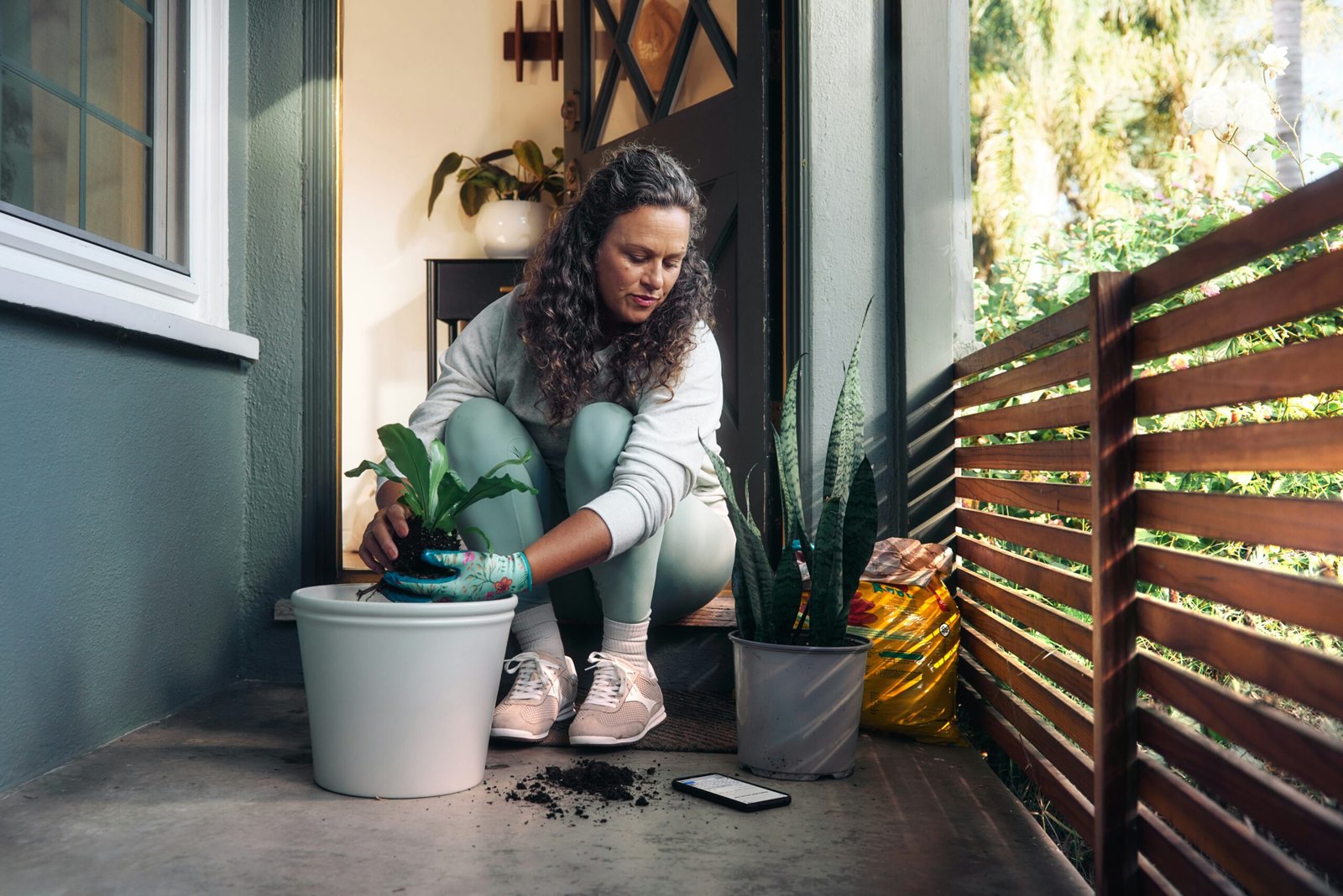
Root rot is a decline of the root system caused when roots sit in low-oxygen, waterlogged conditions and are colonized by fungi, oomycetes (like Phytophthora and Pythium), or bacteria.
Affected plants can’t take up water or nutrients even though the soil is wet; leaves yellow, wilt, and drop, while crowns and stems may soften. Containers accelerate the problem because soil volume is limited, drainage paths are constrained, and wet pockets develop quickly after watering.
Quick fact: In warm, saturated containers with aggressive pathogens, visible collapse can show in 1–4 weeks. In cooler conditions, the decline is slower—but the result is the same unless you change the environment around the roots.
Prevention Principles That Actually Work: Drainage, Aeration, and Thoughtful Watering
Nothing beats prevention. Focus on three interacting controls: move excess water out (drainage), keep air available in the root zone (aeration), and water deliberately for each species (management).
Every choice—pot type, pot size, potting mix, watering routine—affects all three. The honest trade-off is often between faster drying (terracotta, coarse mixes) and lower watering frequency (plastic pots, higher organic content).
Pick the Right Pot: holes, material, and scale matter
- Drainage holes: at least one hole is non-negotiable; multiple holes near the base reduce perched water and speed flow.
- Material trade-offs: terracotta breathes and dries faster—worth it when you want quicker drying; plastic keeps moisture longer and is lighter—useful for shade-tolerant species or balcony gardens.
- Pot size: Avoid oversized containers. A small plant in a large pot sits in unused media that stays damp. Size up by no more than one pot increment or match the pot volume to the root ball.
- Decorative containers: if a cachepot has no drainage, use a nursery pot with holes inside it or add a liner with drainage so excess water can escape.
Build a Mix That Lets Roots Breathe
Use container mixes rather than garden loam. Look for coarse components—pine bark, perlite, pumice, and coconut coir—that create macropores and hold air. A common houseplant mix is about 50–60% base (coir or peat),20–30% bark, and 10–20% perlite or pumice. For vegetables, increase organic content but still include 10–20% coarse aggregate to avoid compaction.
Why this works: coarse particles create channels for excess water, while bark and pumice maintain pockets of air so fine roots get oxygen. Avoid heavy garden soil or pure compost; they compact and block airflow.
Watering: When, How Much, and the Seasonal Shift
Most root rot starts with poor watering decisions. Aim to let the root zone dry to a plant-appropriate level between irrigations—enough so fine roots get oxygen but not so dry that the plant is stressed. Here’s the practical routine:
- Check moisture rather than following a calendar: probe 2–3 cm for small pots and 5–7 cm for larger pots. If damp at depth, skip watering.
- Water deeply and less often. Deep watering encourages roots to explore the whole pot and stops surface-bound root systems.
- Adjust for seasons: many houseplants need 30–60% less water in autumn–winter when growth slows. Outdoor containers in cool weather dry more slowly—reduce frequency accordingly.
- Watch for signs of overwatering: sour soil smell, blackened or mushy roots, yellow lower leaves that wilt despite wet soil, or saucers with standing water hours after watering.
Here’s the catch: identical plants in different light can need water on completely different schedules. Trust substrate moisture checks over fixed days.
Light, Placement, and Airflow: Environmental Controls That Reduce Risk
Light and airflow change how quickly a pot dries. Bright, warm, breezy spots speed evaporation; shaded, cool, still corners slow it. Place pots where the light level suits the species and where air moves past the soil surface—open windows, screened porches, or rooms with a small fan reduce fungal pressure.
Space pots to avoid a humid microclimate; crowded shelves trap moisture and invite pests like fungus gnats.
Frost and Winter Notes for Container Plants
Frozen pots are vulnerable: thaw cycles create soggy conditions and can damage roots. Move frost-tender containers indoors before hard freezes or insulate pots with bubble wrap or a double-potting method. Reduce watering during dormancy—roots need less moisture. If overwintering outdoors, set pots on feet to clear drainage holes and avoid leaving saucers filled with meltwater.
Routine Care: Inspections, Repotting and Hygiene
Regular checks catch rot early. Inspect roots when repotting every12–24 months for most houseplants, or sooner if symptoms appear.
- Inspect roots: healthy roots are firm and white or tan; remove brown, slimy or rotten sections with sterilized shears.
- Trim back rotten roots to healthy tissue and repot into fresh, dry mix with good drainage.
- Disinfect tools and pots after handling a sick plant—70% isopropyl alcohol or a10% bleach solution works; rinse and dry tools before reuse.
Decision factor: if more than one-third of the root mass is rotten, recovery is unlikely—prioritize propagating healthy cuttings and discard the rest to prevent spread.
Pest and Disease Controls That Lower Rot Risk
Fungus gnats and other pests raise rot risk by disturbing roots and carrying microbes. Keep surface soil from staying constantly damp—let the top1–2 cm dry for many species—and use yellow sticky traps or a sand/pebble top layer to deter gnats.
Biological soil amendments with Trichoderma or Bacillus can suppress oomycetes in high-risk settings; check product labels and timing for effective use.
Practical Example: Saving a Waterlogged Patio Tomato
Context: a 12–inch plastic pot on a shaded balcony with a tomato showing yellowing lower leaves and a soft crown. Steps that work: lift the plant to inspect roots; remove mushy, dark roots and trim top growth by30% to reduce water demand; repot into a slightly larger terracotta pot using a vegetable mix amended with10% pumice; move the pot into morning sun and water only when the top 3–4 cm of soil is dry.
Result: white roots typically reappear near the surface over several weeks while foliage recovers. The honest trade-off: terracotta sped drying, so watering frequency rose by about 20–30% in hot weather, but root health improved.
Common Mistakes and How to Avoid Them
Using garden soil in pots: compaction and poor drainage are immediate problems—use a container mix instead.
- Over-potting: oversized pots lead to chronically damp media that rots roots—match pot to root ball size.
- Ignoring saucers or cachepots: they trap water. Empty saucers within 30–60 minutes after watering.
- Watering by schedule alone: skip moisture checks, and you’ll either overwater or underwater.
- Failing to sterilize after disease: pathogens persist in soil and on surfaces; clean tools and pots before reuse.
Small Tools and Materials That Make a Big Difference
Soil moisture meter: cheap models give quick depth readings—handy when you’re learning plant thirst.
- Coarse perlite or pumice: add 10–20% to mixes for better aeration and lasting structure.
- Pot feet or saucer risers: lift pots so water leaves freely, and holes don’t sit in puddles.
- 70% isopropyl alcohol for tool sterilizing between cuts.
Scannable Repotting Timeline
| Task | When | Why |
|---|---|---|
| Inspect roots | Every 12–24 months or if symptoms appear | Detect rot early and choose repair vs. propagate |
| Trim rotten roots | Immediately on inspection | Stop the spread and encourage fresh root growth |
| Repot into a fresh mix | When >25% roots trimmed or pot-bound | Restore aeration and nutrient balance |
| Disinfect pots/tools | After handling diseased plants | Prevent reinfection of other containers |
FAQ
How quickly can root rot kill a container plant?
Timing depends on the pathogen and conditions. In warm, saturated soil with aggressive oomycetes, collapse can occur in 1–4 weeks. Cooler conditions slow progression, but waiting increases the chance of irreversible damage.
Can fungicides prevent or cure root rot?
Fungicides and biological drenches can reduce pathogen pressure, particularly against oomycetes, but they don’t fix poor drainage or bad watering. Use products labelled for the target organism and combine chemical or biological treatments with cultural fixes—better drainage and adjusted watering.
Should I throw out soil after root rot?
If aggressive pathogens were present, discard or solarize the soil—pathogens can survive for months. For mild cases, you can mix old media with a fresh mix and additives after thorough cleaning, but the simplest, lowest-risk option for many hobbyists is a fresh potting mix.
How do I decide between perlite and pumice?
Perlite is lightweight and inexpensive; it boosts quick drainage but can float and slowly break down. Pumice is more durable, holds structure and some moisture—worthwhile for long-term plantings. A blend gives quick drainage with lasting pore space.
Is it OK to let the soil dry completely to avoid rot?
Not for all species. Ferns, calatheas, and some begonias dislike becoming bone-dry. Match moisture depth to the plant: allow the upper portion to dry for many houseplants while keeping the lower roots moderately moist when needed. Use airy mixes, so roots regain oxygen quickly without forcing severe drying.
Practical wrap-up
Preventing root rot is a mix of sensible equipment choices, substrates that allow air and water to move freely, and moisture checks that reflect actual conditions rather than a set schedule.
Small changes, such as raising pots, adding pumice, and matching pot size to the plant, deliver large returns in plant health.
Read Next: How Often Should You Water Container Plants? (Real Answer)
Read Next: How to Grow Fruit Plants Successfully in Containers