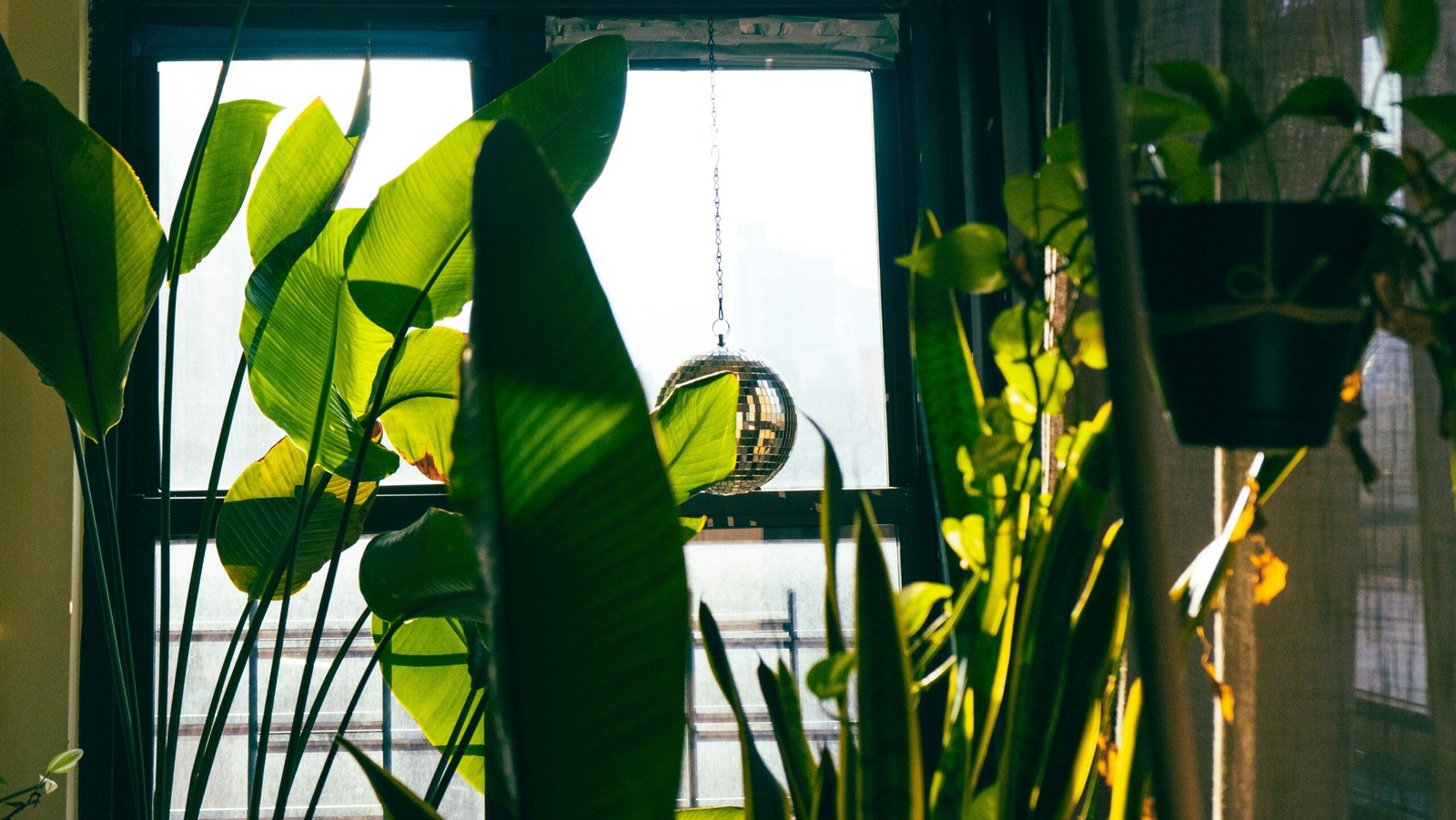
Container gardening shrinks a garden to fit through a doorway. Pots bypass poor soil, concentrate water and nutrients, and let you place plants where light, wind, and shelter suit each species.
The payoff is flexible use of space and surprisingly high yields per square metre; the trade-off is more hands-on maintenance—containers dry faster, need more frequent feeding, and restrict root volume.
Plan like a pro: light, wind, and weight first
Map a day’s light on your balcony or windowsill in different seasons. Note when buildings cast shadows—true full sun is 6+ hours, partial sun 3–6 hours, and shade is less than 3 hours.
Wind changes everything: exposed ledges blow soil dry and topple tall plants. Also check your balcony’s weight limit—large filled pots can weigh 10–20 kg each. If rules or structure limit load, prefer lightweight resin pots, fabric grow bags, or fewer but larger containers placed strategically.
Sunlight basics by plant type
- Full sun (6+ hours): most vegetables (tomatoes, peppers), Mediterranean herbs (rosemary, thyme), and many annuals.
- Partial sun (3–6 hours): leafy greens (lettuce, kale), basil, parsley, and many compact vegetables.
- Shade (less than 3 hours): mints, chives, ferns, ivy, and shade-tolerant ornamentals.
Choose containers and soil with a purpose
Containers create microclimates. Match container depth to a plant’s root system: herbs usually need 3–5 L pots; a cherry tomato prefers 10–20 L. Wider, shallower trays support quick salad crops but limit long-term root growth. Bigger pots reduce watering frequency and temperature swings but increase weight.
Drainage, materials, and soil mix
- Drainage: always use pots with drainage holes. If using a decorative pot without holes, set a nursery pot inside and remove the outer shell to water.
- Materials: fabric pots and plastic are light; terracotta breathes but heats and weighs more. Use heavy pots where wind is a problem, light pots where weight is restricted.
- Soil: choose a commercial potting mix with a peat substitute (coconut coir), perlite, and compost for aeration and moisture balance. Avoid garden soil, which compacts and drains poorly.
10 space-saving techniques that actually work for apartments
Each technique below includes trade-offs, so you can pick based on maintenance, aesthetics, and weight.
1. Vertical racks, stackable pots, and living walls
Stacked planters and wall panels multiply planting area without expanding the footprint. Upper tiers dry faster and need drought-tolerant species; lower tiers suit moisture-loving greens. Choose systems rated for your balcony load and attach them securely to prevent tipping in the wind.
2. Wall-mounted planters and trellises for climbers
Attach slim troughs and vertical supports to walls or railings for cucumbers, pole beans, and peas. Trellised growers save horizontal space but increase wind exposure; anchor trellises and use compact cultivars to reduce sail area.
3. Hanging baskets and rail planters
Hanging baskets free floor space and define vertical layers. Rail planters create continuous green strips along the edge. Both dry faster—use mixes with water-retentive components or rail planters with reservoirs to cut watering frequency.
4. Multi-tiered stands and stepped layouts
Stands let you place sun-hungry plants above shade-tolerant ones in a small footprint. Put heavy pots on lower tiers to avoid collapse. These stands make microclimates visible and manageable.
5. Slimline troughs and window-sill boxes
Narrow troughs fit railings and sills, ideal for herbs, strawberries, and salad greens. Root volume is limited; rotate crops and plan more frequent fertilizer top-ups to maintain productivity.
6. Pocket planters and fabric vertical pockets
Pocket planters are ultralight and decorative—great for succulents and herbs. Watering can be uneven; group pockets by water need and use a lighter soil mix to avoid overloading the wall.
7. Tiered self-watering systems and reservoir pots
Self-watering containers with reservoirs extend time between waterings—useful for travellers and hot periods. They add complexity: inspect root health periodically and monitor reservoir levels to avoid salt build-up.
8. Companion planting in shared pots
Plant compatible species together to save pots—shallow lettuce with deeper carrots or basil with tomatoes. The risk: competition if one plant becomes dominant; thin or harvest early to reduce crowding and check that water needs match.
9. Mobile planters on casters
Place heavy pots on wheeled caddies so you can chase sun or bring plants inside during frost. Use casters rated for weight and surface; repeated movement may disturb soil structure, so avoid frequent shuffling.
10. Seasonal rotation and succession planting
Replace summer crops with fall greens or sow quick-turn radishes between slow growers to keep the same containers productive year-round. Succession planting increases output without more pots; it takes planning to time seedings and transplants.
What to grow and when: timing, frost, and cultivar choices
Choose dwarf or patio varieties bred for containers. Avoid full-size field cultivars that become root-bound and flop. Pots freeze faster than ground soil; move tender crops indoors or insulate containers at the first hard frost warning.
Recommended container choices
- Herbs: basil, parsley, chives, oregano, thyme. Keep mint in its own pot to prevent spreading.
- Vegetables: cherry tomatoes (patio types), peppers, compact cucumbers, salad greens, radishes, bush beans.
- Flowers: marigolds, geraniums, petunias, and nasturtiums to attract pollinators and deter pests.
Look for cultivar notes like “patio” or “dwarf” on seed packets and plant labels to avoid surprises.
Watering, feeding, and practical maintenance
Containers run on a faster cycle than in-ground beds. Expect daily checks in summer on medium pots; large pots might be every 2–3 days. Mulch with organic matter or gravel to reduce evaporation and stabilize temperatures.
Watering and fertilizer specifics
- Check moisture: stick a finger 4–6 cm into the mix—if dry at that depth, water.
- Start with a balanced slow-release granular at potting time: then supplement with diluted liquid feed every 2–4 weeks during growth.
- Foliar feeding is useful for light top-ups when you want to avoid adding bulk to the soil.
Pest and disease prevention
Potted plants can get aphids, whiteflies, fungal leaf spots, and root rot. Prevent issues with good airflow, proper drainage, and routine inspection of leaf undersides. If soil smells sour, that’s an early red flag for overwatering and potential root rot—inspect roots and repot into fresh mix if needed.
Avoid crowding plants and rotate species to reduce the build-up of pests and diseases.
Common mistakes apartment gardeners make
Overpotting: very large pots for small plants hold too much moisture and dilute nutrients—match pot size to plant needs.
- Ignoring weight limits and building rules: spread weight and confirm limits before heavy installations.
- Uniform watering: different microclimates require different schedules; sunny planters need more water than shady ones.
- Skipping repotting: root-bound pots reduce growth—check for circling roots and upsize by only one pot diameter when repotting.
- Mixing incompatible plant water needs: don’t plant succulents and thirsty herbs in the same trough.
Realistic example: a 1.5 m east-facing balcony
Context:1.5 m-wide east-facing balcony with morning sun and a 250 kg weight limit. Decision: prioritize herbs, salad greens, and one compact tomato.
Execution: attach a 1.2 m slimline rail planter for mixed herbs; mount a vertical rack for three stackable pots holding lettuce, dwarf radish, and strawberries; place a 15 L tomato pot on a caster at the corner.
Outcome: central walkway remained clear, yields were steady—weekly herbs and repeated salad cuttings—while wet summers required daily checks. The honest trade-off was more frequent watering; a rail planter with a reservoir reduced visits to every 2–3 days.
Scannable seasonal timeline
| Timing | Task | Frequency |
|---|---|---|
| Spring (planting) | Fresh mix, slow-release fertilizer, set out seedlings | Once per season |
| Growing season | Check moisture, pinch/tidy, diluted feed | Water daily–every3 days; feed every2–4 weeks |
| Mid-season | Repot or top-dress with compost | Every 6–12 months as needed |
| Fall (frost prep) | Move tender plants inside or insulate pots, tidy | At first frost warning |
Two lived-in observations and a common-sense moment
Plants on the windward side of a balcony often show curled leaf edges before any watering signs appear—wind increases transpiration. Small herb pots can turn woody and underperform if the soil isn’t refreshed yearly. A common observation: a rail planter with a reservoir will halve the number of daily water checks during heatwaves.
FAQ
How often should I water container plants on a balcony?
Check daily in hot weather for medium pots; large pots typically need watering every 2–3 days. Use a finger to test 4–6 cm down—if it’s dry at that depth, water. Consider self-watering containers or rail reservoirs to reduce trips to the hose.
How can I prevent root rot in apartment containers?
Ensure pots have drainage, use a light, well-aerated potting mix, and avoid standing water. Elevate pots slightly so excess water can escape and repot into fresh mix if roots smell sour or are brown and slimy. Self-watering pots with overflow indicators also help by preventing waterlogging.
When should I repot my container plants?
Repot when roots circle the pot, water drains through immediately, or plants’ growth slows despite feeding—often every 1–2 years for herbs and vegetables. Upsize by only one pot diameter to avoid excess moisture retention and re-establish a fresh mix with added compost.
Can a small balcony supply reliable vegetables?
Yes—if you focus on high-value, space-efficient crops like herbs, salad greens, dwarf tomatoes, peppers, and radishes. Use vertical space and succession planting to increase output instead of trying to grow large-field cultivars.
Final Thoughts
Container gardening in apartments is about fitting goals to space: match plant choices to light and wind, pick right-sized containers and soil, and accept the increased rhythm of watering and feeding. Use vertical setups, slimline troughs, and reservoir pots where appropriate.
With planning and a few smart choices—correct cultivars, drainage, and rotation—you can achieve both beauty and steady harvests from surprisingly small footprints.
Read Next: How to Grow Fruit Plants Successfully in Containers