
Soil changes with the calendar—temperature, moisture, and biology shift, and so should your input. A seasonal plan times compost, cover crops, lime, and mulch to when microbes and roots will use them, not when they’ll wash away or sit unused.
You’ll notice spring work goes faster if fall did the heavy lifting; that small payoff is often the difference between steady maintenance and yearly rescue work.
Know Your Soil Before You Add Anything
Start with a soil test for pH and macronutrients—county extension labs give actionable recommendations. If testing isn’t an option, at least check texture and drainage.
- Texture check: Rub moist soil—gritty = sandy, sticky = clay, smooth = loam. Sandy soils need frequent organic matter; clay benefits from organic matter and structure work.
- Drainage test: Dig a 12–18-inch hole, fill it with water, and time the drain. More than 24 hours signals poor drainage;1–4 hours is good.
- Sunlight and watering context: Match amendments to bed conditions. South-facing beds warm faster and need lighter winter mulch so soil thaws in spring; shaded beds hold moisture longer and can take thicker mulch and less frequent watering.
pH number, organic matter percentage (if provided), and N–P–K values. pH shifts take time—lime or sulfur belong in your schedule months before planting for best effect.
Spring: Wake the Soil Gently and Feed Root Growth
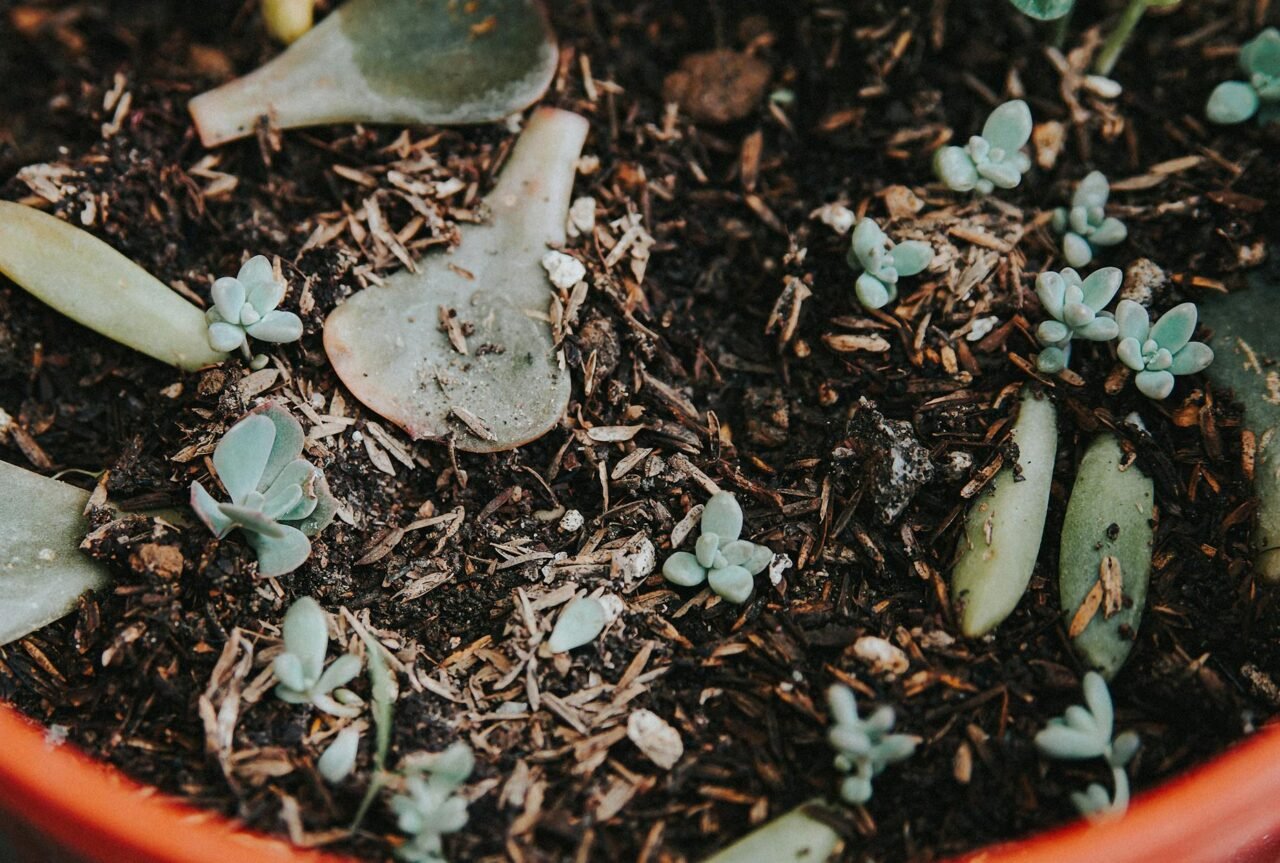
Spring is a transition—soil warms from the surface downward, and microbes ramp up. Here’s the catch: working wet soil compacts the structure and sets you back. Wait until the soil crumbles when squeezed.
What to add in spring
- Compost: Spread 1–3 inches of finished compost. Lightly fork in or leave as a top-dress; rain and watering will work it down. For heavy clay, mix deeper—8–10 inches—so roots can penetrate. Texas A&M suggests deep tilling only when soil moisture is appropriate and at least 8–10 inches when incorporating amendments.
- Balanced fertilizers: Use modest starter fertilizers (for example5–10–5) at planting if a soil test shows deficiency and compost isn’t enough. If you’ve added generous compost, skip synthetic N or reduce rates.
- pH tweaks: Spring is possible but slow. If lime is needed, apply it in the fall for better results; sulfur or peat to lower pH reacts slowly and is often less efficient.
Spring tasks and timing
- Tilling vs no‑till: Tilling loosens but can harm soil life if overdone. If you till, wait for soil that breaks apart easily; if you prefer no‑till, spread compost and use a broadfork to relieve compaction.
- Mulch: Apply 2–3 inches after soil warms and major frost danger has passed. Mulch suppresses weeds and evens soil temperature.
- Planting windows: Use local last‑frost dates and add a 1–2 week buffer for warm‑season crops. Cold frames or row covers let you start tender seedlings earlier without risking root damage.
Summer: Protect Structure, Water Deeply, and Be Selective with Feeding
Summer is about moisture and heat management. Microbial activity follows moisture; dry soil means slower nutrient cycling. The goal is a steady nutrient supply and a protected structure.
Summer practices
- Watering: Deep, infrequent watering encourages roots to go deeper. Aim for roughly 1–1.5 inches per week as a baseline, adjusted for heat, plant type, and soil texture. Water early morning to reduce evaporation and leaf wetness.
- Mulch maintenance: Maintain 2–4 inches of organic mulch. Slightly deeper on sandy sites to limit evaporation; thinner on clay to avoid cool, wet crowns that rot.
- Spot fertilization: Side‑dress vegetables with a light band of compost (1–2 cups per tomato plant)6–8 inches from stems. Overfeeding in heat favors soft, pest‑attractive growth.
Pest and disease timing and prevention
Pests follow seasonal cycles—lawn grubs, for example, are most vulnerable to systemic treatments when larvae are small; Penn State Extension notes imidacloprid is effective when watered in mid‑June to mid‑July for late‑summer grub control. In beds, monitor root damage and consider entomopathogenic nematodes timed to larval stages.
Thick mulch can hide slugs and earwigs—lift the mulch at dusk to check. Keep foliage dry by watering at the soil level and spacing plants to improve airflow; overcrowding raises fungal risk.
Fall: Do the Heavy Lifting—Build Organic Matter and Plant Cover Crops
Fall is prime time for lasting improvement. Cooler soils still host microbes and active roots, and amendments applied now get incorporated or weathered before spring.
Key fall additions
- Compost and aged manure: Apply 1–3 inches of compost. Well‑rotted manure adds nutrients and structure, but avoid fresh manure within90–120 days of harvest for food safety.
- Cover crops: Plant rye, clover, vetch, or winter peas to capture nutrients, build organic matter, and protect soil from erosion. Choose legumes to add nitrogen or grasses for biomass; mixes often provide balance.
- pH corrections: Apply lime in fall so it has months to react before spring; typical modest adjustments might be 5–10 pounds per 100 square feet, depending on soil test guidance.
Fall tasks and trade-offs
Deep tilling in fall can incorporate bulky amendments and break compaction, but leaving soil bare over winter risks erosion. If you till, follow with a cover crop or mulch. The honest trade-off: immediate ease versus longer‑term structure preservation.
Winter mulch of 2–4 inches protects topsoil from heavy rain and freeze–thaw heaving on perennials. Plant cover crops early enough—late summer to early fall—so roots establish before hard frosts.
Winter: Protect, Plan, and Order Materials
Winter is a slow season for biology, but critical for protection and planning. Keep soil covered and prepare for spring work.
- Keep cover crops or mulch in place: They prevent erosion and feed soil organisms at low activity levels.
- Warm‑up options: For early planting beds, black plastic or cloches warm the soil slightly—use selectively and watch moisture effects.
- Plan and stock up: Review test results and order lime, compost, and cover crop seed in time for fall or early spring application.
Practical Scenario: Fixing a10 ×20 ft Clay Bed
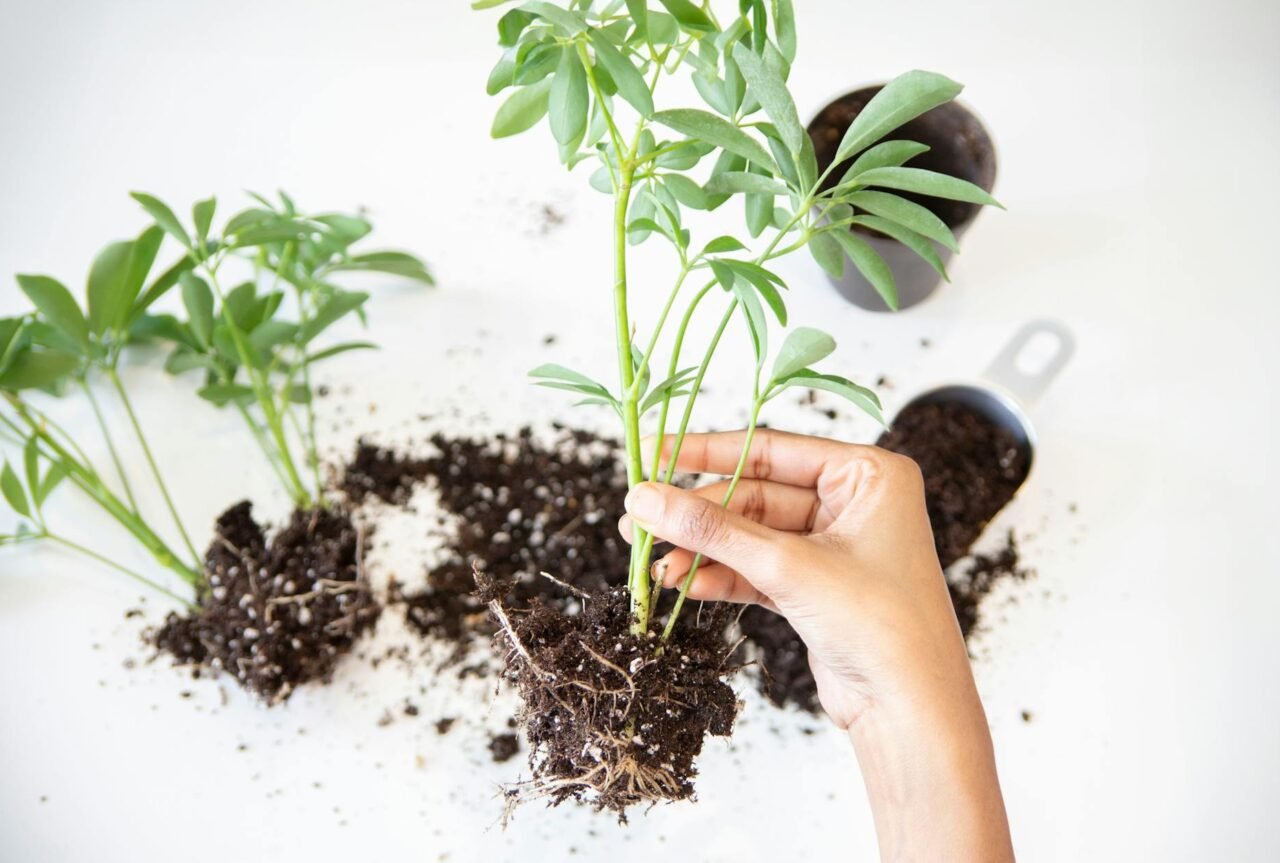
Problem: heavy clay, poor drainage, low organic matter, pH 5.8. A two‑season sequence produces measurable change.
| Season | Action | Result |
|---|---|---|
| Fall | Spread 2 inches of compost +1 inch of well‑rotted manure; sow winter rye; apply lime per soil test. | Rye roots reduce surface compaction; lime begins pH correction; organic matter starts to build. |
| Spring | Terminate rye, broadfork8–10 inches (avoid rototilling); topdress1 inch compost; plant warm‑season crops with2–3 inch mulch. | Better drainage, improved crumb structure, and less spring waterlogging. |
| Summer–Next Fall | Side‑dress with compost midseason; repeat cover crop in late summer; add compost next fall if needed. | After two seasons, organic matter increases, and plants root deeper; yields improve. |
Small Observations That Matter
When compost arrives in a truck: a single, evenly spread load avoids patchy soil quality; screened compost is worth the extra cost when topdressing in spring.
- A4–6-inch layer of coarse sand over clay rarely fixes drainage alone—combine with organic matter and create channels with roots or deep ripping.
- Smell is diagnostic: a fresh, earthy scent signals aerobic life; a sour, rotten odor indicates waterlogging, and a drainage fix is needed.
Common observation: gardeners often plant cover crops so late they don’t establish before frost—seed by late summer to get useful root growth. Another frequent note: mulch piled against stems invites rot; leave a clear ring around trunks and crowns.
Common Mistakes
Working wet soil: compacts and damages the structure. Wait until the soil crumbles instead of clinging.
- Overusing high‑nitrogen fertilizers produces lush tops, weak roots, and invites pests. Match N to plant needs and compost inputs.
- Ignoring pH: nutrient availability is pH‑dependent—test before liming or sulfuring.
- Using fresh manure: can burn plants and introduce pathogens; use well‑rotted manure and observe safe intervals before harvest.
- Mulching too close to stems: causes rot—leave a few inches clear around crowns.
Decision Factors and Trade-offs

Choose actions based on goals and constraints: if quick planting matters, shallow tilling and a top‑dress of compost work. If long‑term structure is the aim, favor no‑till with regular compost top‑dressing and occasional broadforking. Time of year changes priorities—lime in fall, compost any time, but best in fall, and pH adjustments need months to take effect.
Experience-style Anecdote
It’s common to see a bed that looked hopeless after a dry summer rebound after two winters of cover crops and compost—the soil goes from hard clods to a sweet, earthy smell and easier digging. That change is often more visible than any single fertilizer result.
Final Thoughts
Seasonal soil care pays off when you match actions to soil condition and the calendar—plan pH changes in fall, build organic matter with compost and cover crops, water deeply in summer, and avoid working wet soil. Spend a few focused hours each season, and the soil will do more of the heavy lifting for healthier plants and fewer crises.
FAQ
How often should I test my soil?
Test every 2–3 years for stable home gardens; test annually if you’re correcting pH or troubleshooting a problem. Use the report to adjust lime rates, phosphorus additions, or to confirm organic matter levels rather than guessing.
Can I use fresh manure in vegetable beds?
Avoid fresh manure in food gardens unless it’s been composted or aged 1–2 years. Fresh manure may contain pathogens and high soluble nitrogen that can burn plants; if you must use it, apply only to non‑food beds or compost it first.
Should I till every year?
Occasional tilling to incorporate bulky amendments can help, but frequent deep tilling degrades structure and microbial networks. Alternatives are broadforking to relieve compaction and surface top‑dressing with compost for long‑term health.
Which cover crop adds the most nitrogen?
Legumes like clover, vetch, and winter peas fix nitrogen and are useful when nitrogen is the priority. Mixing a legume with a grass, such as rye, gives biomass and root structure while still adding N when legumes are included.
Read Next: How to Build a Simple Compost Bin at Home
Read Next: Easy DIY Trellis Ideas for Climbing Plants