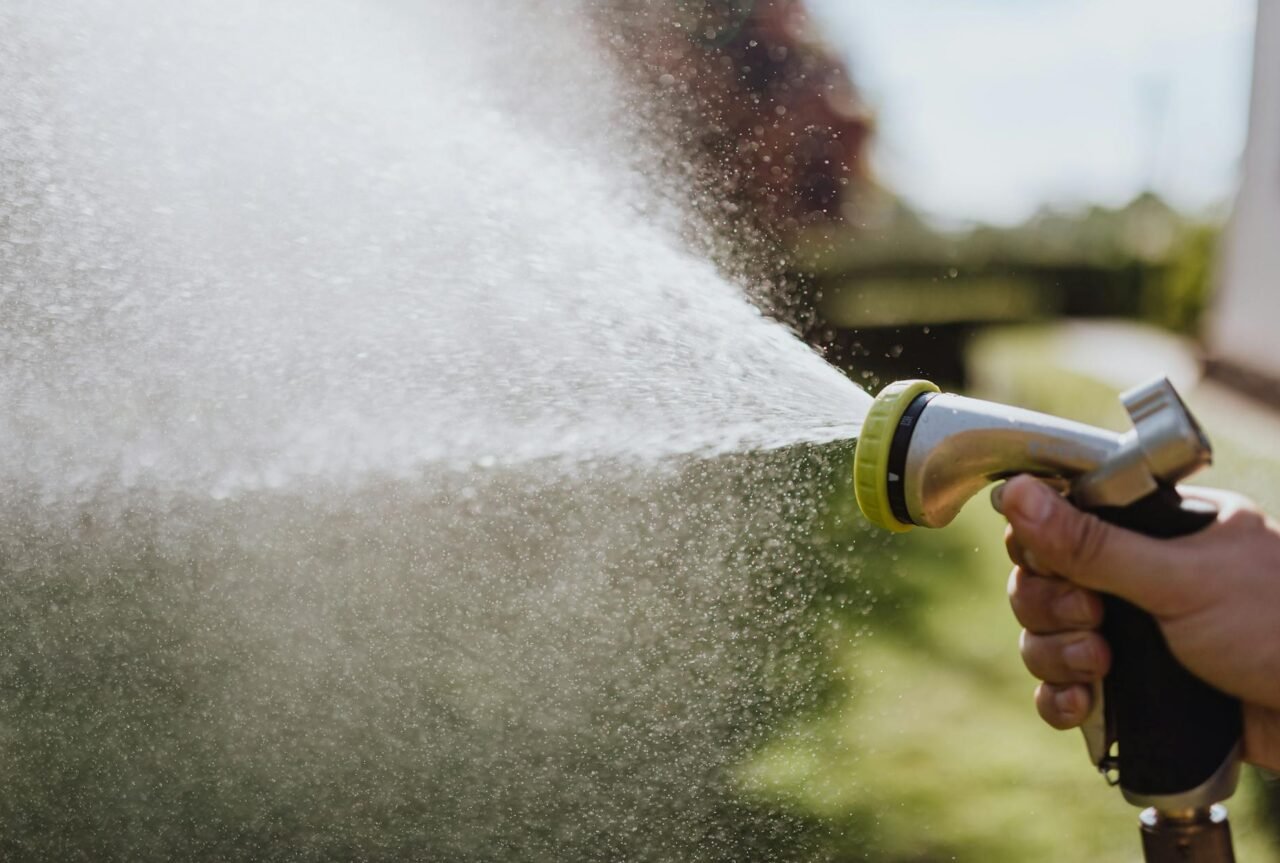
Picking the right watering gear affects plant health, water use, and how much time you spend outside. A few rows of vegetables, a handful of containers, and a small lawn all require different delivery methods.
Water moves through the landscape in three basic ways: sprayed overhead, dripped to the root zone, or seeped along a length of hose. Each fits certain plants and layouts.
Match delivery method to root depth, spacing, soil type, and sun exposure to get efficient wetting without encouraging foliar disease. A quick sensory check is useful: soil that smells cool and earthy after watering indicates good infiltration; a muggy canopy that stays damp into the afternoon signals overwatering foliage.
Common watering methods and when to use them
Practical choices cluster into five families: hand watering with a hose and nozzle or wand, overhead sprinklers (oscillating and rotary), drip irrigation, soaker hoses, and micro-sprinklers. Below is how they differ and the typical situations where each performs best.
- Hose + nozzle or wand: flexible and immediate; ideal for spot care, containers, and small raised beds.
- Overhead sprinklers: fast coverage for lawns and large contiguous beds; less precise and higher evaporation loss.
- Drip irrigation: delivers water slowly at the root zone; waterwise and adaptable to individual plants and beds.
- Soaker hoses: porous hoses that seep water along their length; simple for rows and mulched beds.
- Micro-sprinklers: low-flow rotating sprays for irregular beds, seedlings, or greenhouse benches where light surface wetting is acceptable.
Hand watering: nozzles, wands, and practical features
Hand watering remains essential for many tasks: new transplants, container plants, and targeted corrections. Choose a nozzle or wand that offers solid flow control and comfortable handling. A wand 12-36 inches long reaches the center of raised beds and hanging baskets without bending.
What to look for:
Durable materials—metal or reinforced polymer—and brass fittings to resist leaks.
- A shut-off trigger or flow control feature to avoid constant running and waste.
- A spray pattern that includes a gentle shower for containers and a concentrated jet for cleaning or distant reach.
How to use: direct water at the soil surface beneath foliage and use a slow-soak approach—apply until the top 6-8 inches of soil is moist. Typical sessions vary:10-20 minutes per small area, depending on soil type and nozzle flow. Water in the early morning when temperatures are cooler, and winds are lower to reduce evaporation and allow foliage to dry.
Operational note: Inexpensive nozzles often leak at swivel connections; keeping spare rubber washers and plumber’s tape handy fixes many common leaks in minutes.
Overhead sprinklers: matching pattern to area
Oscillating and rotary sprinklers work when you need uniform coverage over a contiguous turf or block-shaped bed. Oscillators produce a fan-shaped spray suited to rectangles; rotary heads reach circular or irregular zones.
Use overhead sprinklers for lawns and large flower beds, but avoid them for disease-prone vegetables or tender seedlings.
Many heads deliver about 0.1-0.3 inches per hour. Measure output with a tuna can or rain gauge to calculate how long to run to hit a target of about 1-1.25 inches per week for established cool-season lawns, adjusting for rainfall and soil type. Run sprinklers in the morning only to minimize fungal disease risk that comes from prolonged leaf wetness.
Area shape, proximity to hard surfaces (avoid overspray onto walks and driveways), and local watering regulations. If you have segmented beds with different needs, split the system into separate zones and use timers to run them independently.
Low-water choices: drip, soaker hoses, and micro-sprays
Drip and soaker systems deliver water directly to the root zone with minimal evaporation and runoff. These methods work well for vegetable rows, shrubs, container irrigation (with adaptors), and new plantings where steady moisture is desirable.
- Drip irrigation: uses emitters rated roughly 0.5-4 gallons per hour (gph) placed at the root zone. Pressure-compensating emitters keep flow even across varying pressure and terrain.
- Soaker hoses: seep water along their length; best placed under mulch or in shallow trenches so water stays at the soil level.
- Micro-sprinklers: low-flow rotating heads that provide gentle surface wetting for densely planted beds or seedling flats when overhead spray would be too harsh.
How to install a drip or soaker layout that actually works?
Start at the spigot with a filter and pressure regulator—drip components perform best at lower, steady pressure. Run a 1/2- or 5/8-inch mainline along the bed and branch to emitters or microtubing where plants sit. Secure tubing with stakes and cover with mulch to reduce UV damage and evaporation.
Zoning rules: group plants by water needs. Seedlings and lettuce beds require more frequent, shallow wetting than established peppers and tomatoes. A typical emitter scheme: seedlings 0.5-1 gph per emitter; mature shrubs several emitters at 1-2 gph each. If pressure varies across the property, choose pressure-compensating emitters to maintain even output.
Concrete example: for a 10-foot vegetable bed planted in two rows of tomatoes and basil, run a 1/2-inch mainline down the center with 12-inch-spaced emitters. Use 1 gph emitters for tomatoes and 0.5 gph for basil. In loam soil, a 30-45 minute run twice weekly in summer can maintain steady moisture; shorten or lengthen runs based on sandy or clay soils and local evapotranspiration.
Cost note: basic DIY drip kits often start around USD 50-150, depending on bed size and emitter types; adding a simple automatic timer and a quality filter raises the initial cost but reduces daily labor and clogging problems.
Matching tools to plant types: containers, raised beds, shrubs, and turf
Plant type determines delivery: root depth, spacing, and soil influence whether surface wetting or deeper soaking is best.
Factors that change your recommendation
- Sunlight and evapotranspiration: full-sun plantings lose water faster and typically need longer runs or more frequent cycles. Mulch reduces surface evaporation by about 30-50 percent.
- Soil type: sandy soils drain quickly—use frequent shorter cycles or slow drip; clay soils hold water—use longer, gentler sessions to move water into the profile without puddling.
- Root depth and spacing: shallow-rooted annuals and seedlings need surface moisture—micro-sprays or shallow drip work well. Deep-rooted shrubs and trees benefit from deep, infrequent watering to promote root depth and drought resilience.
Containers dry far faster than in-ground beds. Use a gentle shower nozzle or a pressure-compensating drip adapter for pots; consider self-watering containers or capillary mats if daily hand-watering is impractical.
Lawns generally require overhead sprinklers to cover wide areas; plan for 1-1.25 inches per week applied in 2-3 sessions to promote deep rooting while minimizing runoff.
Seasonal timing, frost constraints, and system upkeep
Watering frequency and duration change through the year. In spring, water to encourage root growth after cool, wet winters. In a hot summer, increase frequency and aim for morning irrigation. In fall, reduce frequency and avoid deep, late-season watering of frost-sensitive plants about 2-3 weeks before your typical first frost to harden off new growth.
About frost: moist soil holds more heat than dry soil, offering minor protection to roots during sudden chills; do not water foliage right before freezing temperatures because ice on leaves causes damage.
For frost-sensitive transplants, plan irrigation windows to avoid wet leaves overnight and use frost cloths when necessary.
Maintenance checklist:
Flush drip lines at the start and end of the season and install a filter if the water carries sediment.
- Replace worn gaskets and washers on nozzles and spigots annually.
- Depressurize and store or insulate systems before freezing weather to prevent cracked tubing.
- Inspect sprinkler coverage and adjust heads to avoid overspray on sidewalks and driveways.
Pests, disease prevention, water conservation, and troubleshooting
Wet foliage and uneven watering invite pests and diseases. Wet leaves that remain damp overnight favor fungal pathogens such as powdery mildew and blight. Target water at soil, water in the morning, and prune for airflow to lower disease pressure.
Practical conservation tactics:
- Mulch 2: 4 inches around beds to reduce surface evaporation and cut weed competition.
- Group plants with similar water needs into irrigation zones: separate drip zones for succulents and thirsty annuals.
- Use timers and smart controllers or soil moisture sensors to avoid unnecessary cycles and respond to rain.
Troubleshooting common problems:
- Uneven drip output: check for kinks, clogged emitters, or reduced pressure. Flush lines or replace emitters; pressure-compensating emitters help with uneven supply.
- Runoff on clay: switch to cycle-and-soak—short runs repeated after infiltration—to prevent puddling.
- Wilting despite watering: probe several inches down; surface wetness can hide dry layers. Aim to wet the root zone 6-8 inches deep for most vegetables and perennials.
Operational tip: measure how long a soaker hose takes to wet the top 6 inches and set timers accordingly. Guesswork often leads to puddles or chronic underwatering.
Realistic scenario: a mixed 40 x 20-foot backyard
Layout:40 x 20-foot yard with a 10 x 10 raised vegetable bed, a 6-foot perennial border, a 12 x 20 lawn strip, and containers on a patio. Goals: save water, reduce foliar disease on vegetables, and cut daily container watering time.
Recommended setup:
Install a small automatic timer on the hose bib with two valves: Zone A for lawn using an oscillating sprinkler scheduled for morning runs to supply 1-1.25 inches per week; Zone B for beds and containers using a drip system with a filter and pressure regulator.
- Run a 1/2: inch drip mainline along the raised bed with 1 gph emitters for tomatoes and 0.5 gph for herbs; add micro-drip adapters for containers and set them to 15-20 minutes every other morning in summer.
- Place a soaker hose under 2- 3 inches of mulch around shrubs and operate it on a separate valve every 7-10 days for a deep soak to build root depth.
Expected outcome: lower water use than a single sprinkler, drier vegetable foliage with fewer diseases, and reduced daily hand-watering trips. Initial costs for a quality drip kit and basic timer commonly run USD 150-300, with savings in water bills and time over a few seasons.
Practical observations and brief anecdote-style notes
Timers that are left on the same schedule throughout the season often overwater in cooler months—check and adjust run-times every 2-4 weeks. Another common detail: mulch placed too close to stems can trap moisture and invite rot; leave a small gap at the crown.
Many folks find a strip of vigorous weed growth under soaker hoses—moisture encourages germination—so lay a thin weed barrier under mulch or plan to pull weeds regularly near soaked lines.
Choosing components and small, useful specifics
Filters and regulators are inexpensive relative to the frustration they prevent—look for inline filters rated for garden use and a pressure regulator set to the range recommended by your drip manufacturer. For timers, a basic battery-powered model is an affordable start; smart controllers add value when they adjust for rainfall or connect to soil moisture sensors.
When selecting emitters, choose pressure-compensating types if you expect significant elevation changes or variable pressure. For hoses and fittings, brass connectors last longer than cheap plastic in frequent-use situations. For lawn sprinkling, measure head output with a container to determine exact run times rather than relying on label claims.
For more in-depth technical comparisons and spacing charts, university extension publications and irrigation primers offer tested emitter spacing and run-time guidance; for basic tool and budget advice, see the resources on manual vs electric tools and building a starter toolkit.
Summary of practical takeaways
Match water delivery to the root zone and plant spacing: avoid wetting foliage, group plants by water needs, and prioritize low-flow options for beds and containers.
Use a hose and wand for spot care and containers; adopt drip or soaker lines with a filter and simple timer for mixed beds; use properly placed sprinklers for lawns and measure output to set accurate run-times. Maintain filters, flush lines, and adjust schedules seasonally to prevent disease and conserve water.
A little planning and the right small components yield healthier plants, lower water use, and less daily upkeep.