How to Create a Rainwater Collection System?
Collecting rainwater reduces water bills, lowers stormwater runoff, and keeps garden beds green during dry stretches. A modest roof and a few well-chosen components can deliver hundreds to thousands of gallons per season. Performance hinges on roof material, rainfall timing, and steady maintenance. You’ll notice the first summer how much difference a couple of barrels … Read more
Planning Next Season’s Garden the Smart Way

Planning Next Season’s Garden the Smart Way

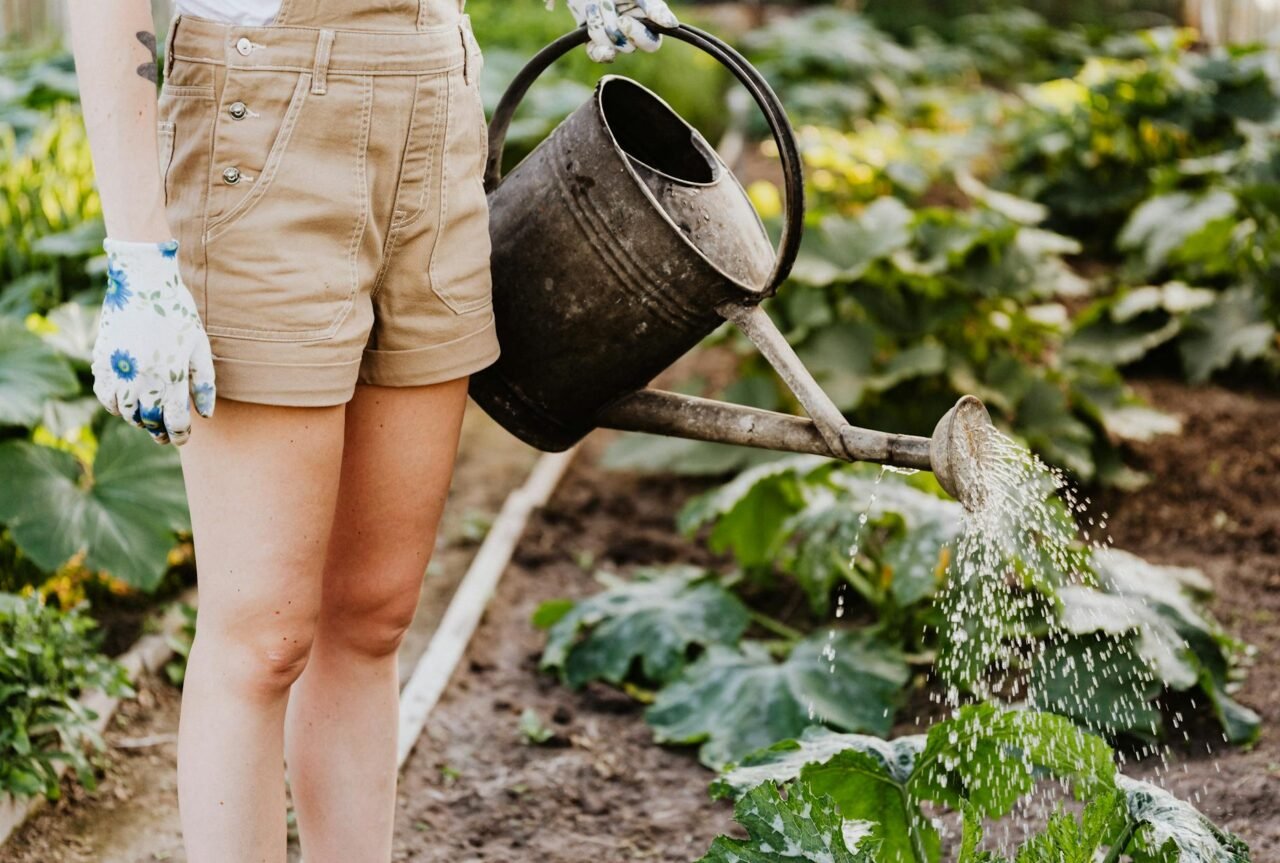
Planning next season’s garden is less about wish lists and more about clear choices: what to grow, where to grow it, and when to move seedlings outdoors. A short, honest inventory of last year’s yields, a soil check, and a realistic timeline around frost dates cut the usual chaos. You’ll get steadier harvests, fewer surprise … Read more

How to Extend Your Growing Season Naturally

Walk-in hoop house with fall plantings.

Extending the growing season naturally gives you more weeks of fresh produce without the energy bills and mechanical complexity of heated greenhouses. A clear south-facing cold frame that warms by day and holds heat at night, or a lightweight row cover that tucks over beds at dusk, can move harvests weeks earlier in spring and … Read more

Protecting Plants From Heavy Rain and Wind

ceramic pots grouped under an eave with sand-filled trays.

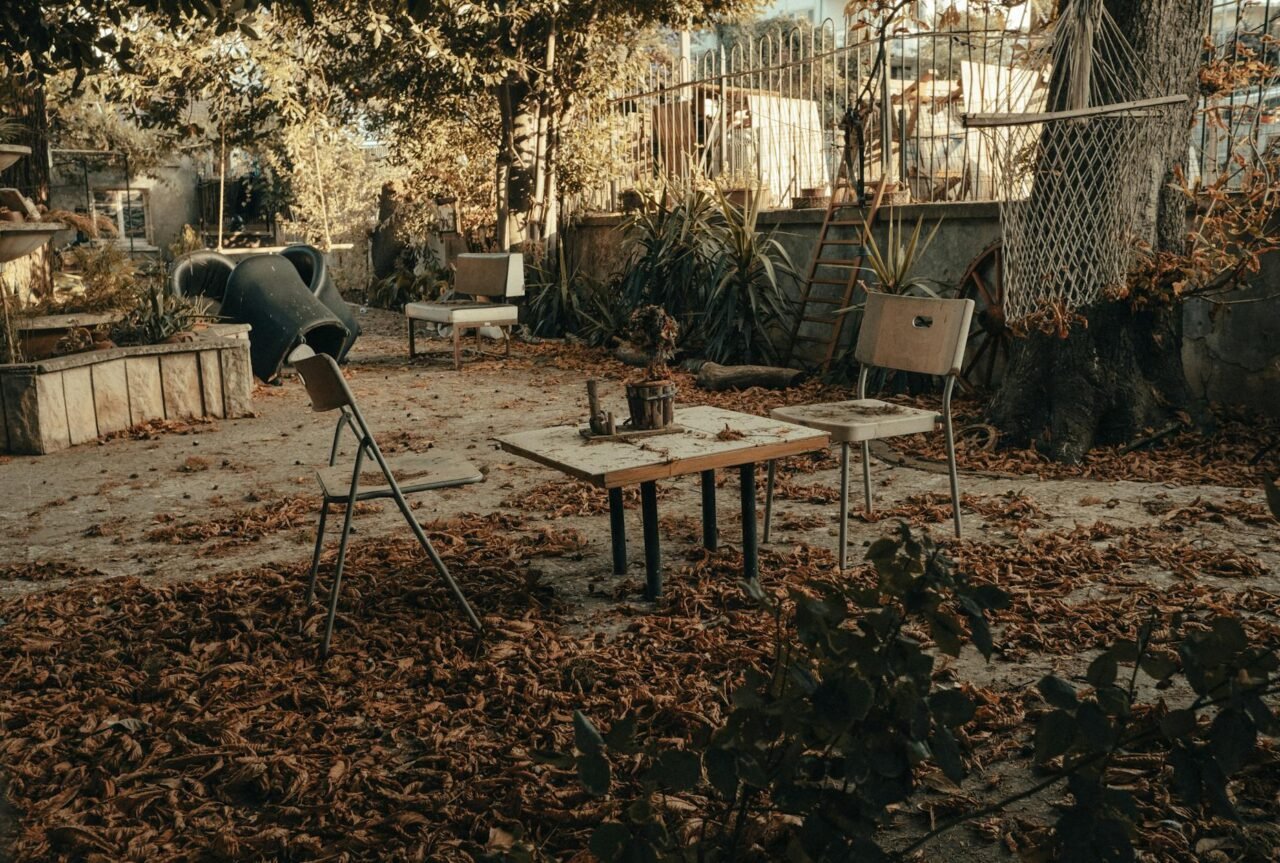
Strong winds and heavy rain test a garden’s structure and patience. Gusts shear leaves, snap stems, and topple pots; sustained downpours compact soil, wash away nutrients, and raise fungal risk. You’ll feel it most as the first stinging spray on leaves and that wet, earthy smell when beds flood—those are signals to act. Short-term fixes … Read more

DIY Garden Markers That Last All Season

DIY Garden Markers That Last All Season

Garden markers do more than identify plants; they stop guesswork, record planting dates, and speed troubleshooting. A cheap tag that fades or splits by midseason costs time and can lead to mistakes—wrong fertilizing, missed harvests, or lost heirloom variety labels. Sun, soil contact, and watering style determine how long a marker lasts as much as … Read more

How to Make Organic Liquid Fertilizer at Home?

How to Make Organic Liquid Fertilizer at Home

Liquid fertilizers feed plants fast because water-soluble nutrients are available to roots and leaves within hours. A weak brew will green up a wilting tomato or revive a container plant by mid-afternoon. Making your own also diverts kitchen and garden waste, lowers input costs, and introduces a wider range of trace elements and microbes than … Read more

Easy DIY Trellis Ideas for Climbing Plants

Wooden lattice against a fence covered by flowering vines.

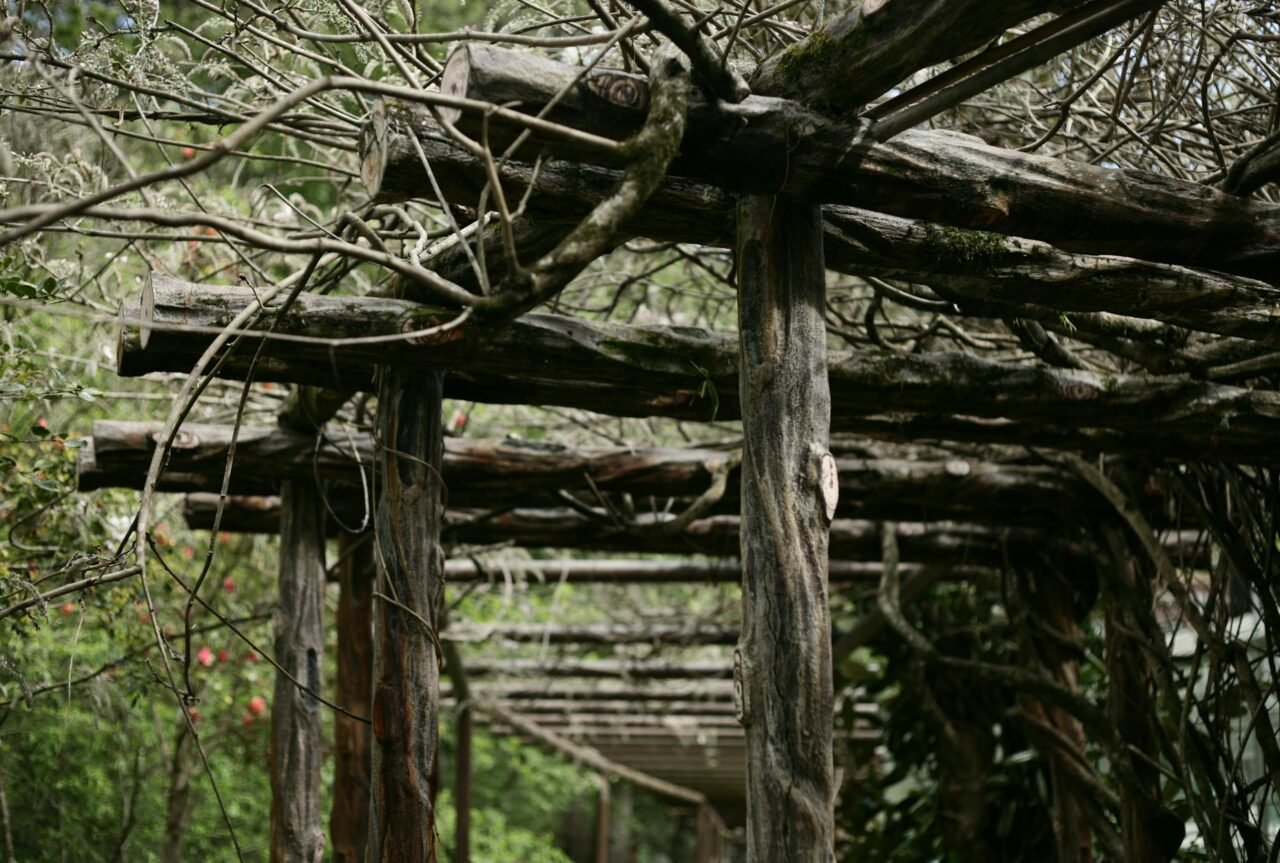
A trellis turns sprawled vines into vertical gardens that save space, cut down on disease, and make harvests simpler. Visualize a tidy wall of green—flowers framed, tomatoes off wet soil, cucumbers hanging straight—and you’ll see why a well-chosen trellis is one of the highest-return upgrades for small beds and balconies. Why a trellis matters and … Read more

How to Build a Simple Compost Bin at Home?

How to Build a Simple Compost Bin at Home

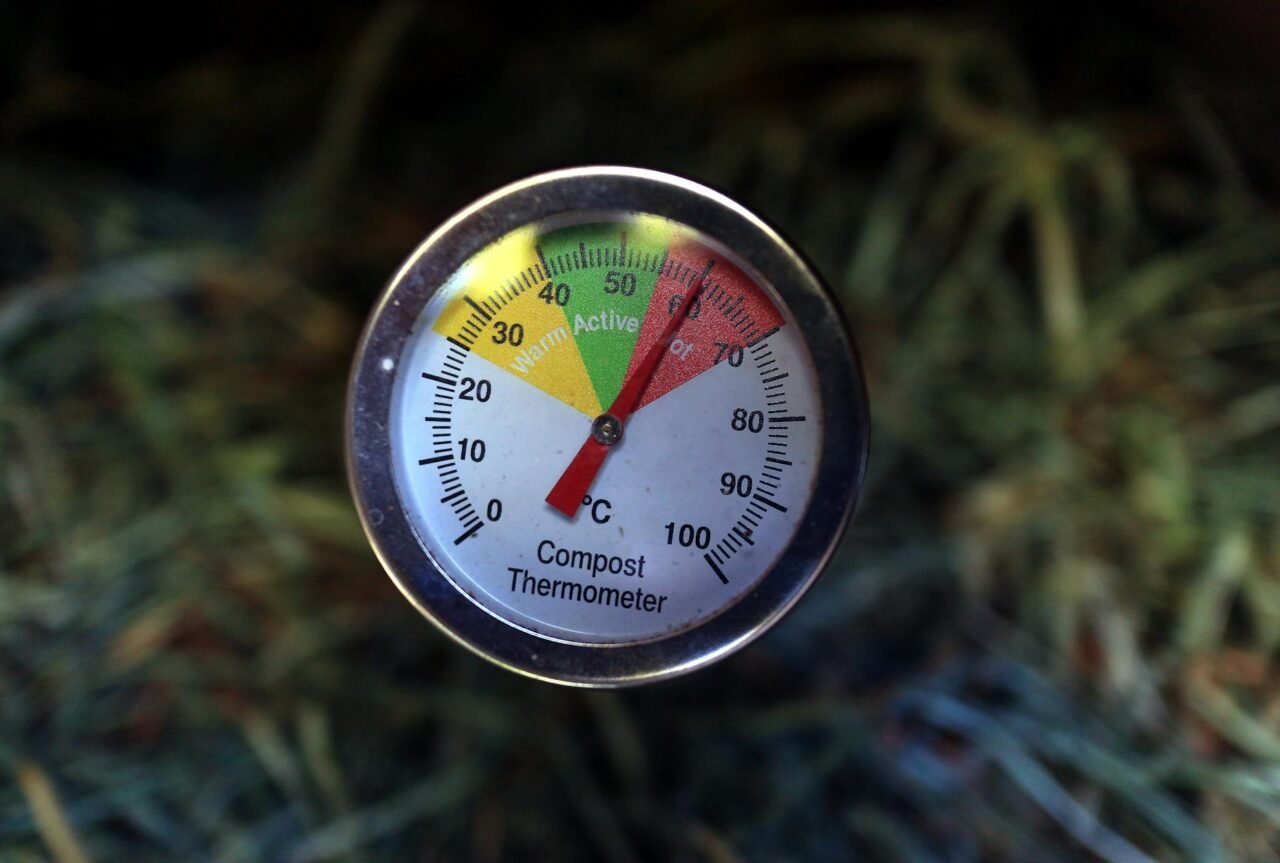
Composting turns kitchen scraps and yard trimmings into a dark, crumbly soil amendment that feeds plants and keeps waste out of the trash. The second sentence: you’ll notice the scent changes as decomposition progresses—from a grassy sharpness to an earthy, forest-floor smell—and that signal tells you what the pile needs next. A basic bin gives … Read more

Soil Care Through the Seasons: What to Add and When?

Soil Care Through the Seasons: What to Add and When

Soil changes with the calendar—temperature, moisture, and biology shift, and so should your input. A seasonal plan times compost, cover crops, lime, and mulch to when microbes and roots will use them, not when they’ll wash away or sit unused. You’ll notice spring work goes faster if fall did the heavy lifting; that small payoff … Read more