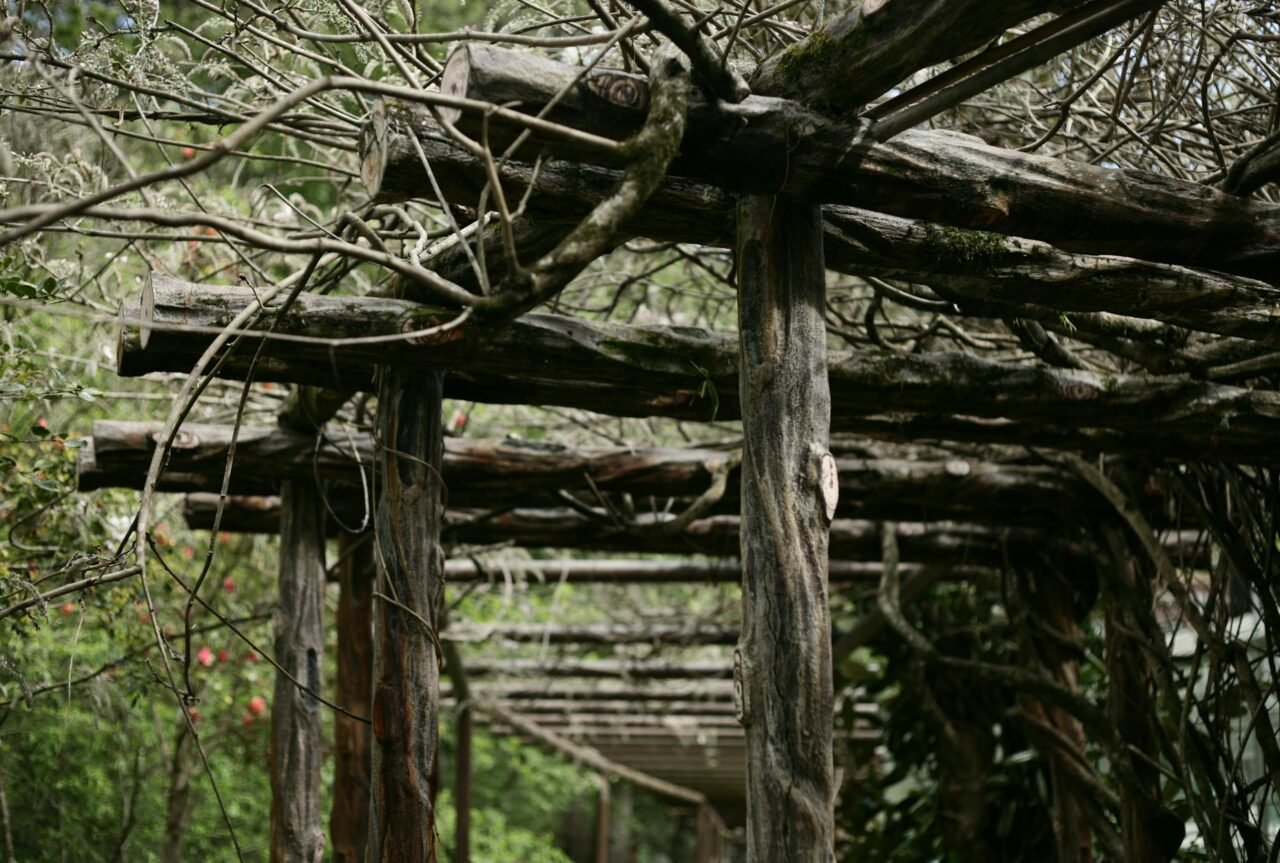
A trellis turns sprawled vines into vertical gardens that save space, cut down on disease, and make harvests simpler. Visualize a tidy wall of green—flowers framed, tomatoes off wet soil, cucumbers hanging straight—and you’ll see why a well-chosen trellis is one of the highest-return upgrades for small beds and balconies.
Why a trellis matters and what changes when plants go vertical?
Vertical growth improves air circulation and sun exposure, reduces soil-borne disease, and simplifies pruning and picking. It also concentrates root and water needs at the base, which changes your watering and soil strategy.
You’ll feel at home if you like cleaner harvests and easier maintenance; skip elaborate permanent builds if you rent or need seasonal flexibility. Worth it when you want more production from limited ground.
Pick a material by load, lifespan, and look
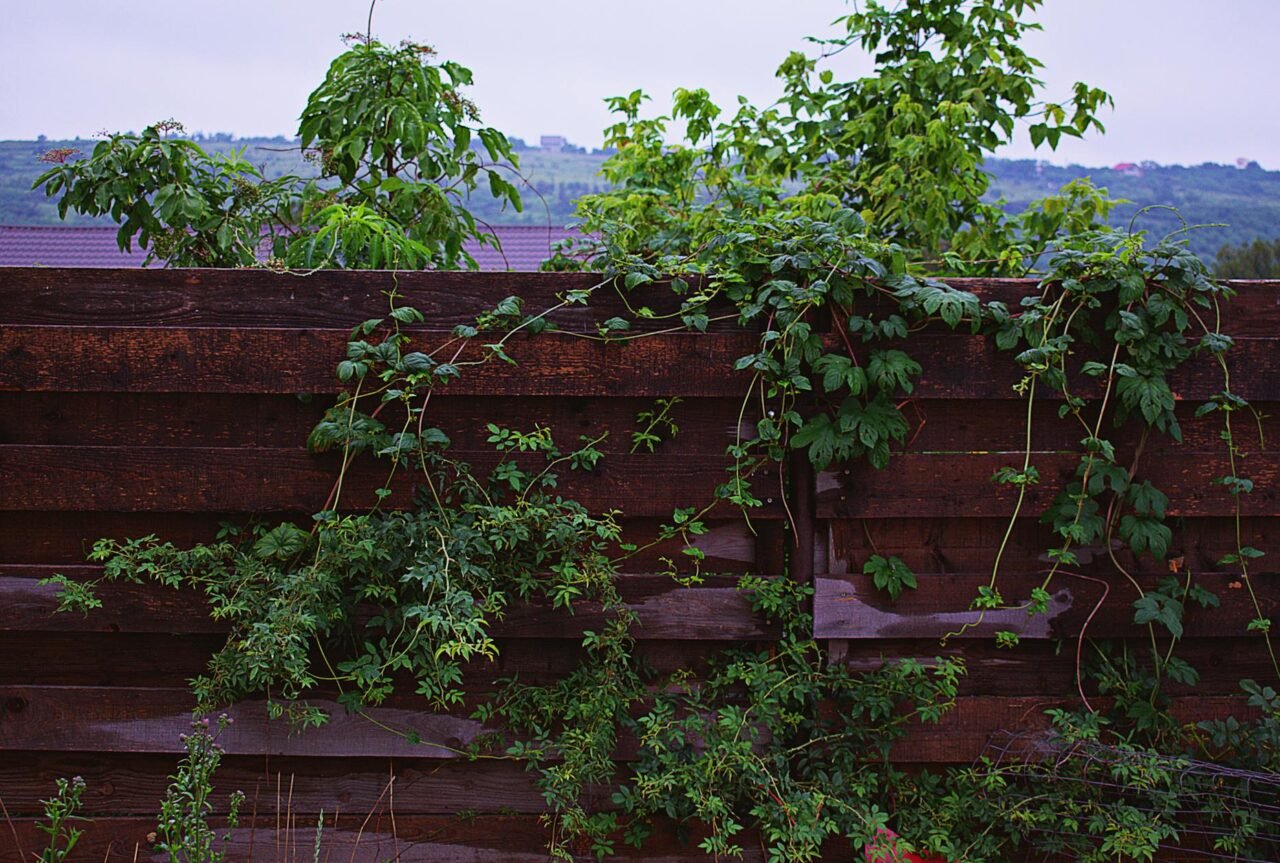
Match trellis material to plant weight, permanence, and style. Trade-offs are real: cheaper materials save money now but may cost time later.
- Wooden lattice or slatted panels: Attractive, adaptable, and good for medium loads. Use rot-resistant wood (cedar, redwood) and seal end-grain. Best for clematis, honeysuckle, and espaliered fruit.
- Metal trellises: Steel or powder-coated iron handles heavy vines—wisteria, grapes. Look for galvanized or powder-coated finishes to resist rust.
- Bamboo + string: Lightweight and affordable. Ideal for seasonal vegetables—pole beans, peas, cucumbers—and easy to disassemble for winter storage.
- Repurposed items: Old ladders, window frames, pallets, and gates add character. They may need prep (sanding, sealing) and careful anchoring.
Bamboo string trellis—quick build for vegetables
Bamboo poles tied with twine make a simple grid. Use 6–8 mm poles sunk 30–45 cm into the ground for stability. Tie vertical and horizontal strings at 20–30 cm spacing for peas and pole beans; cucumbers prefer 30–40 cm spacing so fruits hang cleanly. Use UV-stable garden twine or poly string—natural twine degrades within a season unless stored dry.
Slatted and lattice panels—screening and structure
Slatted trellises provide privacy and more attachment points for many flowering vines. Lattice gaps of 5–10 cm suit thin-tendril climbers;10–15 cm slats are better for bulkier vines.
The honest trade-off is wind load: a tighter lattice catches more wind and needs stronger anchors.
Match trellis style to plant habit
Decide by climbing method: twining stems, tendrils, or heavy-fruited vines. Each habit changes spacing, anchoring, and material choices.
- Tomatoes (indeterminate): Require strong vertical posts and crosspieces or reinforced cages. Aim for 1.8–2.4 m of support for single-stem training; use metal or thick wood for heavy crops.
- Pole beans: Climb by twining—bamboo string trellises, netting, or teepees work. Closer string spacing (20–25 cm) helps young vines find purchase.
- Cucumbers: Prefer larger mesh or slatted trellises (30–40 cm grid), so fruits hang without deforming. Use soft ties for young vines.
- Peas: Like finer mesh or narrow supports; plant density of 6–8 plants per linear metre is common for good yield.
- Vining flowers: Clematis needs foliage shade at the base and a sturdy frame behind lattice; honeysuckle tolerates average soil and partial shade.
Site, soil, sunlight, and watering get the basics right
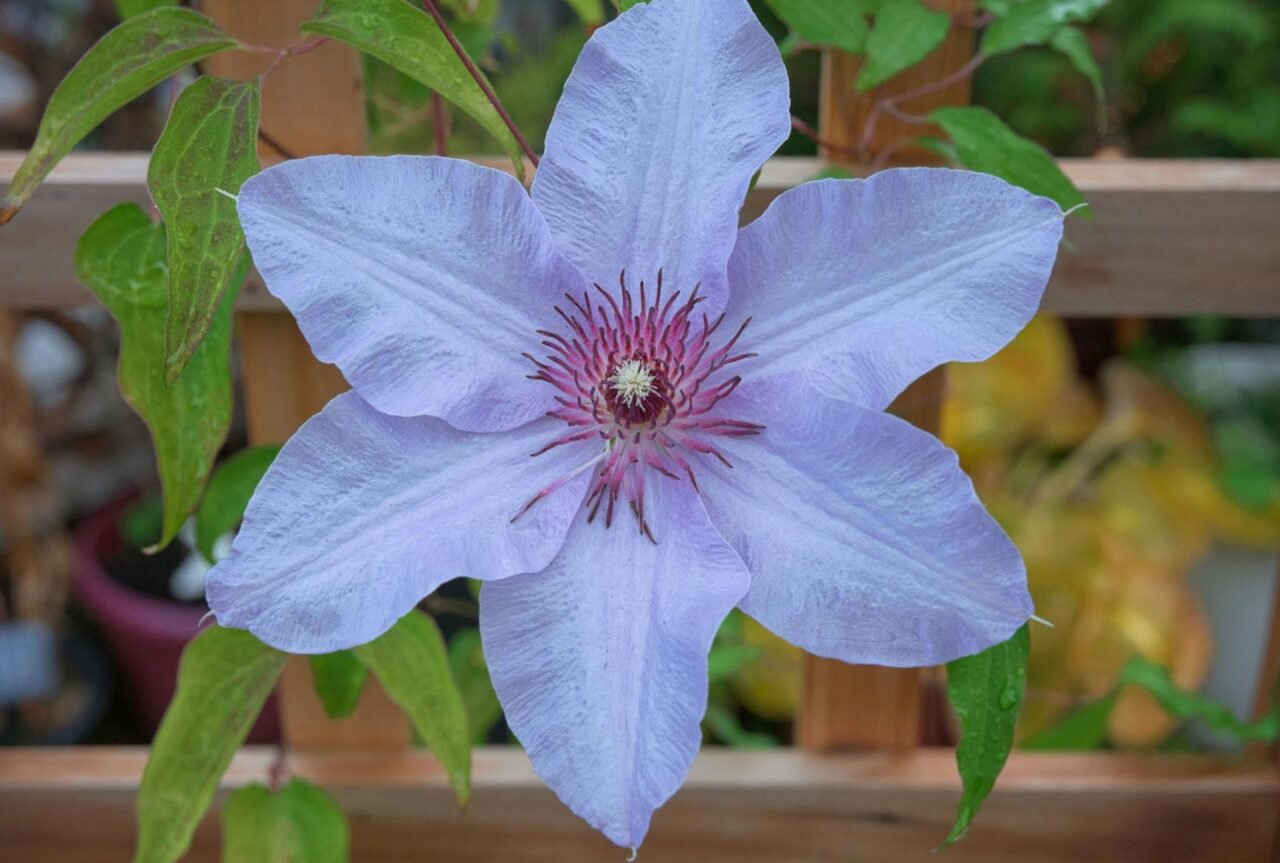
Siting a trellis changes the microclimate and soil requirements. Place it where the plant’s light needs match orientation: most vegetables need 6–8 hours of sun; many ornamentals tolerate part shade. Avoid mounting trellises directly against foundations—leave a 5–10 cm air gap to protect siding.
- Soil prep: Enrich planting holes or bed with 2–4 kg compost per plant bed, or a 5–10 cm layer across the bed. Ensure good drainage—roots sitting in cold, wet soil invite rot.
- Watering: Vertical plantings dry faster. Deep watering 1–2 times per week suits many annual vegetables; increase frequency in hot spells. Install drip tubing along the base to keep foliage dry and limit disease.
- Sunlight: Morning sun with afternoon shade suits some clematis and honeysuckle in hot climates; tomatoes and cucumbers need full sun for best fruiting.
Quick install timing and frost constraints
Install permanent trellises in late winter–early spring when the soil is workable and before planting to avoid disturbing roots. Temporary bamboo or netting can be set on the day you plant.
Tender climbers go out after the last expected frost—check local frost dates and add two weeks for safety. A common observation: waiting until plants sprawl makes training harder and can break stems.
| Plant | Prep | Install timing |
|---|---|---|
| Tomato (indeterminate) | Sturdy posts, compost-rich soil, and mulch | Install posts before transplanting after frost risk |
| Pole beans | Light trellis, string spacing 20–25 cm | Sow after the soil warms to 10–15°C |
| Cucumbers | Mesh/netting, tie fruits early | Plant after the last frost |
Pest and disease prevention, spacing, and airflow
Vertical growth reduces many pest problems but can create humid pockets. Prioritize airflow, routine inspection, and correct spacing to lower risk.
- Spacing: Leave 30–60 cm between major vine stems—denser for cucumbers and tomatoes trained single-stem, wider for bushy climbers.
- Pest watch: Check undersides of leaves weekly for aphids and spider mites. Use insecticidal soap or introduce predatory insects when infestations start.
- Disease steps: Prune lower leaves, maximize sun and wind exposure, rotate trellised crops yearly, and use drip irrigation to keep foliage dry.
What do people miss?
Match grid size to vine type—tendril climbers need tighter grids, and twining vines use open slats. Also, balance early training with gentle ties: cheap soft ties are fine early, switch to adjustable clips as stems thicken.
Maintenance, durability, and placement options
Maintenance is mostly seasonal checks. Tighten fastenings in spring, replace weathered ties, and inspect anchors after storms. For permanent structures like pergolas and arbors, use concrete footings or deep-set posts—vines add weight over the years.
Creative placements: use a trellis to create privacy screens, an outdoor “room” near a patio, or a freestanding arch for a pathway. If you need mobility, mount lattices on planters or make the structure removable.
Common Mistakes
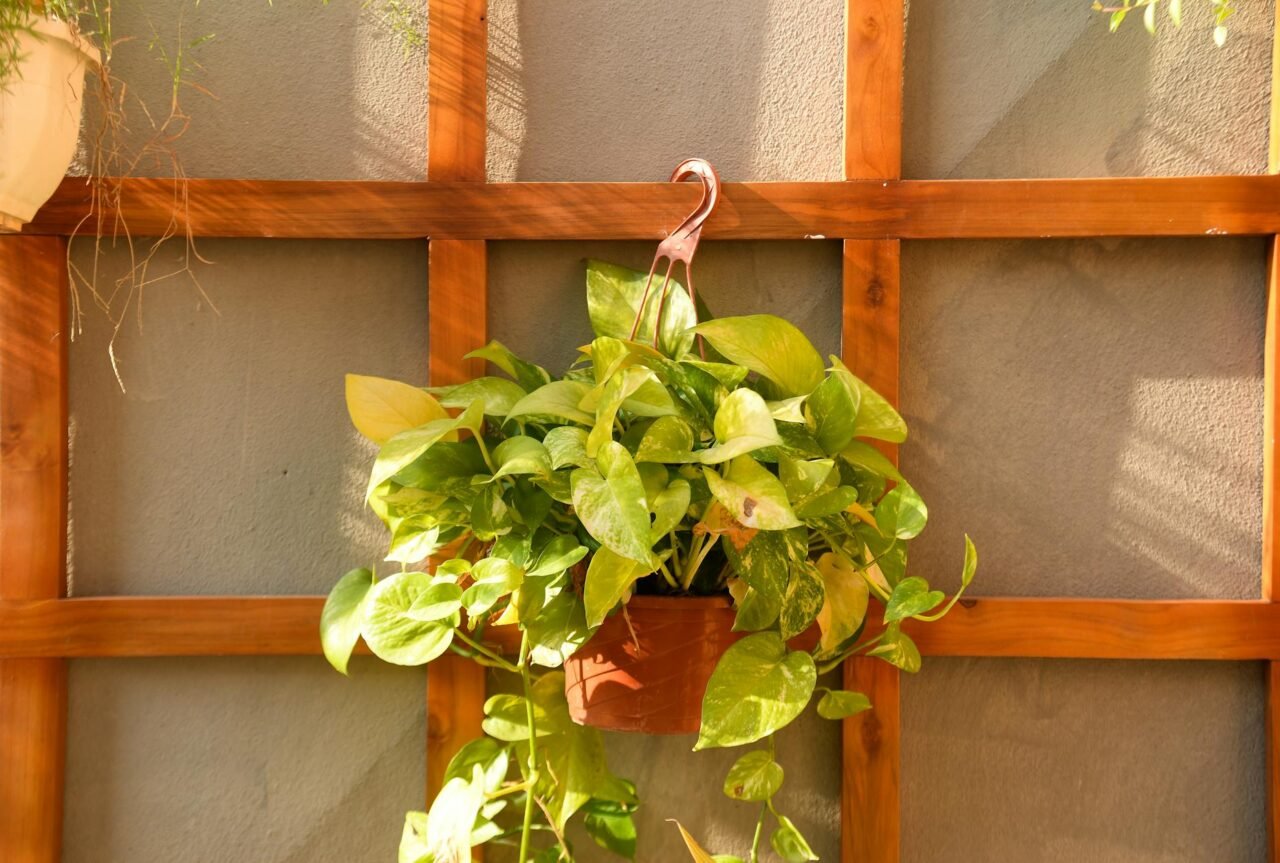
Underbuilding: thin bamboo for heavy tomato varieties will sag—use thicker posts or metal.
- Late installation: installing supports after plants sprawl makes training harder and stresses vines.
- Wrong grid size: too tight for twining vines or too wide for delicate tendrils reduces support.
- Poor anchoring: unsecured trellises can topple in wind—use ground spikes, concrete, or deep-set posts for permanence.
- Leaving untreated wood in soil: untreated cheap wood rots in 1–3 seasons in wet climates—seal or use rot-resistant species.
Realistic example: a small raised bed split between cucumbers and tomatoes
Scenario: a2.5 m long raised bed,1.2 m wide, full sun. Install a 2.1 m cedar slatted trellis down the bed center to support cucumbers on one side and indeterminate tomatoes on the other.
Use two 10 cm ×10 cm cedar posts set 60 cm into the ground with concrete footings, attach horizontal slats at 30 cm intervals, and hang heavy-gauge twine ladders for cucumbers.
Amend the soil with a 5 cm layer of compost and lay drip tubing at the base. Result: better airflow, cleaner cucumbers, and easier tomato pruning—plant spacing 30–45 cm, watering by drip kept foliage drier and reduced late-season disease pressure.
Practical observations gardeners often note
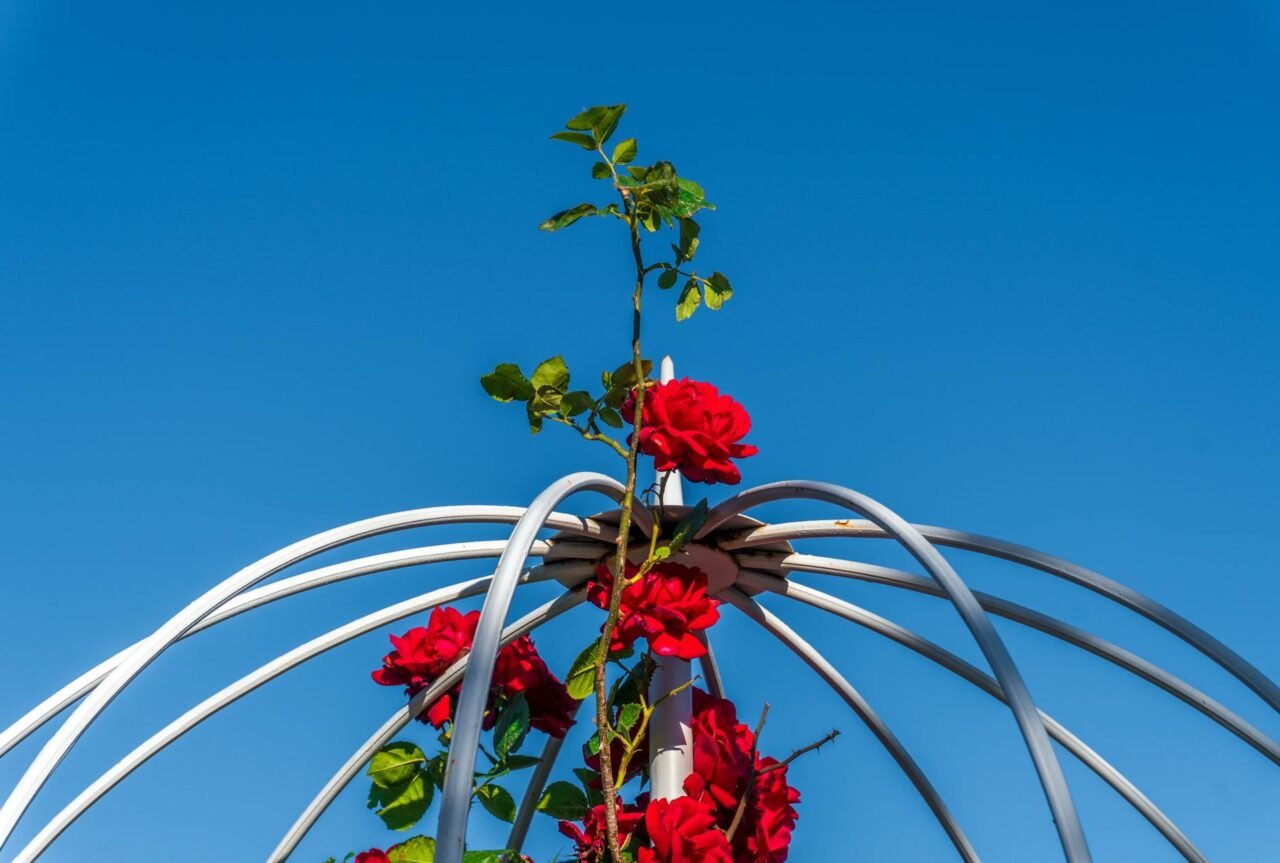
Greenhouses and warm walls can speed vine growth: vines often reach support a week sooner in sheltered spots.
- Bamboo trellises stored in a dry shed last far longer—wet winters are where most inexpensive trellises fail.
- Small: early-season ties tend to cut into stems if left on too long; switch to adjustable clips as stems thicken.
FAQ
How high should a trellis be for tomatoes and cucumbers?
For indeterminate tomatoes, aim for 1.8–2.4 m of vertical support; higher if you can safely prune and harvest. Cucumbers do well on 1.5–2.1 m trellises so fruits hang straight. If space is tight,1.2–1.5 m still improves airflow and harvest ease.
Can I use one trellis for mixed crops?
Yes, but plan for load and mesh size. Use a smaller mesh (20–30 cm) for peas and beans, a larger (30–40 cm) for cucumbers. Avoid pairing heavy fruiters like tomatoes with delicate climbers on the same net unless the frame is overbuilt to handle combined weight.
When should I remove temporary trellises?
Remove lightweight seasonal trellises (bamboo, string) after plants finish and store them dry to prevent rot. Permanent structures stay, but prune vines back and inspect anchors in late winter. Replace plastic netting if it shows UV cracking before the next season.
What pest and disease steps actually make a difference?
Keep foliage dry with drip irrigation, prune lower leaves, rotate trellised crops, and keep spacing at 30–60 cm depending on species. Weekly leaf inspections catch aphids and spider mites early—treat with insecticidal soap or introduce predators before populations explode.
Read Next: How to Make Organic Liquid Fertilizer at Home
Read Next: DIY Garden Markers That Last All Season
Read Next: Protecting Plants From Heavy Rain and Wind