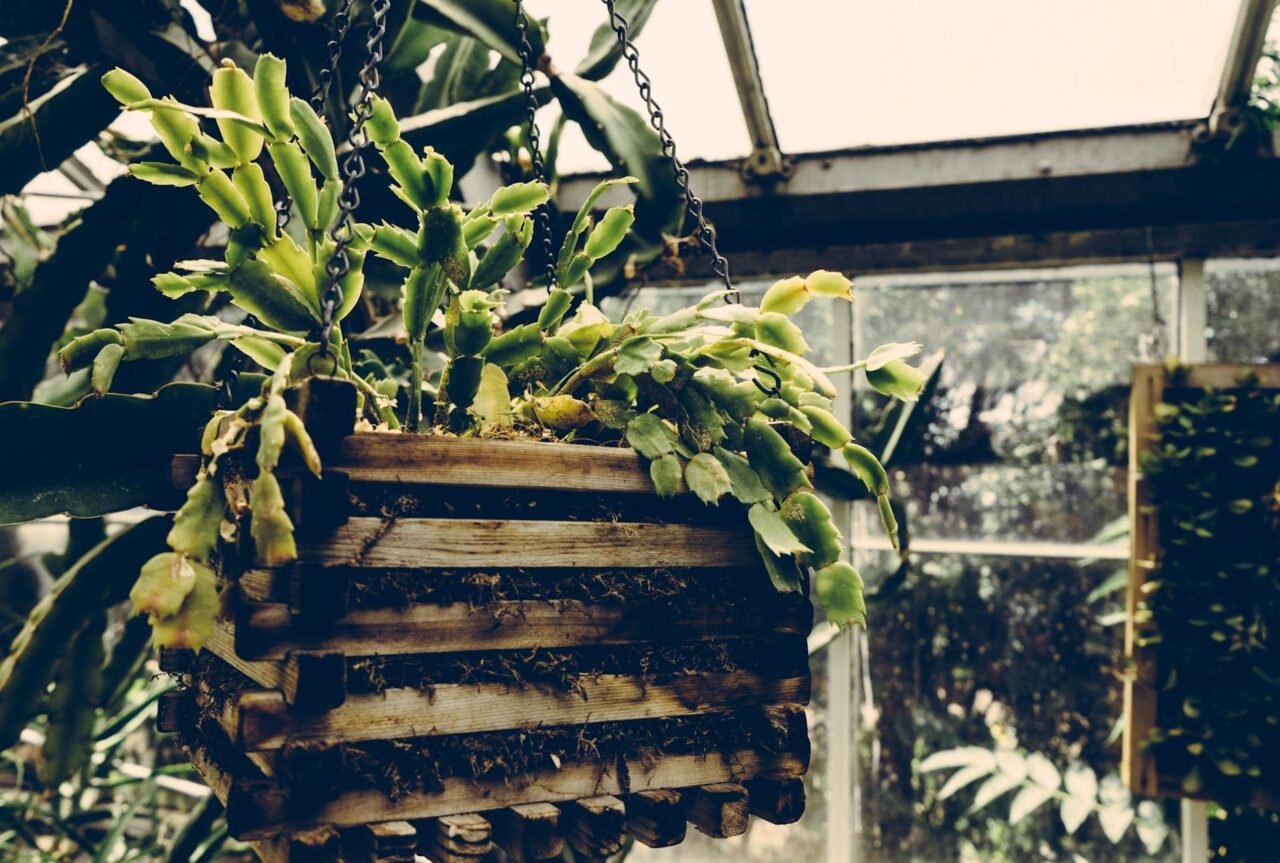
Hanging planters put greenery where floor space can’t reach. A row of pots at eye level makes a small balcony feel dense and alive; an overhead herb rail keeps kitchen snips within reach. You’ll feel at home with the right mix of material, soil, and hardware, and hanging systems change how plants dry, warm, and get stressed by wind.
Why hanging planters multiply usable space?
Hanging planters use vertical real estate to increase planting area without cluttering walkways or countertops. They deliver cascading foliage, room for herbs at hand, or compact fruiting plants that would otherwise need bench space.
Trailing plants add visual depth faster than potted groupings on the floor, and a well-spaced arrangement improves light distribution across foliage.
Practical decision factors: how much weight your anchors will bear, how quickly a chosen pot loses moisture, and whether you can reach pots safely for watering and pruning. These constraints determine material choice, pot volume, and hanger style.
Materials and why they matter: metal, plastic, ceramic, and macramé
Pick material for durability, thermal behavior, and how much load the structure will take.
- Copper & brass: Durable and visually striking; they age to a patina and resist microbes on surfaces. Expect heavier weight — use joists or rated anchors. (See metal collections for outdoor-rated designs.)
- Iron: Strong and classic; needs powder coating or paint in wet climates to avoid rust.
- Plastic/resin: Lightweight, inexpensive, and easy on rental ceilings. Choose UV-stabilized options for outdoor exposure.
- Terracotta & ceramic: Porous and cooler for roots, but fragile and heavier. Good for shade-tolerant plants that prefer drier root zones.
- Macramé & fabric hangers: Soft and decorative. They shift loads differently and may require drip trays or liners to protect fibers.
The honest trade-off: metal looks premium and lasts, but it heats soil faster in direct sun and demands stronger anchors; plastics save weight but age sooner outdoors. Look for outdoor-rated metals with thicker gauges if you want a long-lived display.
Which plants thrive in hanging planters?
Hanging planters favor trailing and compact species that do well with less soil volume. Match species to light, pot volume, and how often you can water.
- Succulents (string of pearls, sedum, burro’s tail): Bright light, gritty, fast-draining mix, infrequent water. Skip thick moss liners that trap moisture.
- Herbs (thyme, oregano, rosemary; keep mint contained):4–6 hours of sun for many culinary herbs. Use a loamy, well-draining potting mix and separate runners like mint in their own liner.
- Annuals and trailing flowers (petunias, bacopa): Full to part sun, frequent feeding, and more watering in heat.
- Trailing perennials (fuchsia, ivy): Shade or part-sun varieties suit covered porches; choose species based on exposure.
- Small fruit & veg (strawberries, dwarf tomatoes in bigger baskets):6–8 hours of sun and larger capacity pots; they dry faster, so self-watering options save time.
Sunlight determines placement: south- and west-facing balconies give high light but harsher afternoons, while north-facing spots favor shade-tolerant foliage. If your balcony is a wind tunnel, choose heavier pots or lower wall-mount brackets so plants aren’t battered.
Soil, drainage, and self-watering options that actually work
Drainage is the single most important soil consideration for hanging pots. Small soil volumes saturate quickly and then suffocate roots. Use a standard potting mix amended with 20–30% perlite or coarse sand; for succulents, increase grit to 40–50%.
Self-watering hanging pots extend watering intervals by keeping a reservoir below the soil. They are worth it when you need a buffer during hot spells, but soluble salts can accumulate — flush reservoirs every 2–3 months. Also, ensure the hanger doesn’t block drainage holes or trap water at the bottom unless designed as a reservoir.
How to hang safely: anchors, load ratings, and spacing
Estimate a loaded pot’s weight before selecting hardware. A medium basket filled with soil and plants commonly weighs 10–30 lb; large metal planters can reach 40–60 lb. Use hooks and anchors rated at least 2–3× your expected load.
- Ceiling hooks into joists: pilot hole, then lag hook for permanent installs.
- Toggle bolts for hollow ceilings: rated toggles distribute load across drywall cavities.
- Wall brackets and cantilevers: place pots lower to reduce wind leverage and improve access for watering.
- Chains and S-hooks: classic and adjustable — inspect for rust or wear annually.
Spacing: allow 12–18 in between pots for airflow; trailing plants may need an extra 6–12 in to avoid tangling. Use a safety factor of 2–3× for anchors if you’re unsure about the expected load.
Watering rhythm and fertilizing specifics
Hanging planters dry faster because air circulates on all sides. Watering frequency varies: daily in hot sun for small pots, every 3–7 days in shade. The lift test — pick up the pot to gauge weight — beats a calendar-based routine every time.
- Water slowly until runoff from drainage holes to ensure even saturation.
- Allow the top 1–2 in of soil to dry for most species: succulents need deeper drying between waterings.
- Feed flowering and vegetable hangers with a balanced liquid fertilizer at half strength every 2–4 weeks; for ease, use a 3–4 month slow-release granule formulated for containers, but watch for salt buildup.
Small finishing detail: when watering indoors, use a drip tray and line macramé hangers above the tray to protect fibers from constant dampness.
Seasonal timing and frost considerations
Hanging pots are more exposed to temperature swings than ground containers. Small soil volumes freeze faster, so move tender pots indoors before a hard frost or wrap pots with insulation and hang them under eaves. Hardy alpines or certain sempervivums tolerate brief freezes, but annuals and most herbs will not survive sustained cold.
Spring is the best time to refresh topsoil and apply slow-release fertilizer; late summer often requires repotting because roots fill small containers within 12–18 months. In autumn, reduce watering and cut back tender perennials; in winter, hang pots in sheltered spots or indoors if possible.
Pests, disease prevention, and what to inspect weekly
Exposed hanging pots attract aphids, spider mites, whiteflies, and scale. Inspect the undersides of leaves and new growth weekly and isolate new purchases for a short quarantine period.
Use insecticidal soap or horticultural oil on contact pests; repeat treatments as directed and avoid spraying beneficial pollinators when they are active.
Root rot results from overwatering and poor drainage. Prevent it with airy mixes, pots with true drainage, and by avoiding saucers that hold water outdoors. If root rot appears, remove the plant, trim soft brown roots to healthy tissue, repot in fresh mix, and reduce watering frequency.
Common mistakes and how to avoid them
Clustering pots too tightly so foliage blocks light — space pots 12–18 in apart.
- Using heavy metal pots without upgrading anchors — over: spec your hardware.
- Blocking drainage with liners or trays that trap water — ensure bottom drainage unless using a designed reservoir.
- Planting deep-rooted or rapidly root-bound species in shallow hangers — choose pot size to match root habit.
- Ignoring microclimates like wind or reflected heat from nearby surfaces — adjust pot material and placement accordingly.
Example scenario: a 6 ft balcony herb rail that works
Context:6 ft-wide south-facing balcony with a 9 ft ceiling. Install three8 in self-watering hanging pots spaced 18 in apart from a ceiling beam with lag hooks rated for 40 lb each.
Plant thyme and oregano in a fast-draining mix; contain mint in a separate plastic liner to control runners.
Result: reservoirs cut mid-summer watering from daily to every 3–4 days, and the elevated herbs stay within easy reach for cooking.
If higher winds are common, switch to lower wall brackets and heavier pots to reduce sway and wind damage; heavier planters also reduce evaporation from the soil surface.
Practical observations gardeners notice
Leaves on south-facing metal pots can feel warm to the touch mid-afternoon — that warmth speeds drying. During windy spring days, trailing stems often tangle if pots are hung too close together. A common observation: small decorative pots need watering more than twice as often as larger-volume baskets in identical light.
People often note that self-watering baskets are a lifesaver on vacation weeks, but the reservoir will need flushing afterward to prevent salt buildup.
Where to look for supplies and what to ask for?
Seek outdoor-rated metal planters with thicker gauges if you want longevity; retailers like IKEA and specialty metal makers list hanging collections built for outdoor use.
For versatile, budget-friendly options, UV-stable plastic or resin hangers perform well for renters. When buying hardware, ask for load-rated lag hooks or masonry anchors and check product specifications rather than relying on decorative appeal.
For a step-by-step planting technique, authoritative resources such as the Royal Horticultural Society include detailed instructions on filling and planting hanging baskets.
FAQ
How often should I water hanging planters?
It depends on pot size, material, and exposure. Small pots in full sun may need daily water; shaded larger pots can go 3–7 days. Use the lift test — if a pot feels noticeably light, water it and water until runoff to flush salts from the root zone.
Can I use metal planters indoors without damaging ceilings?
Yes, if you plan for the extra weight. Anchor into ceiling joists with heavy-duty lag hooks and choose hangers rated at least 2–3× the expected load. Consider an insulating liner when pots are in direct sun to reduce rapid soil heating.
Which plants are the lowest maintenance for hanging pots?
Trailing pothos and philodendron varieties, hardy herbs like thyme, and certain succulents (string of pearls, sedums) are forgiving. They tolerate irregular water better than high-demand flowering annuals and work well in medium-to-large pots that give extra soil buffer.
How do I protect hanging pots from frost?
Move tender pots indoors before hard freezes or hang them under eaves in sheltered spots. For temporary protection, wrap pots with insulating material and reduce watering so the soil freezes less wetly; still, small soil volumes freeze through faster than beds, so relocation is safest.
When should I repot hanging planters?
Repot when roots circle the surface, drainage slows, or growth stalls — typically every 12–24 months. For fast-growing annuals and vegetables, plan on annual repotting or refreshing the top 2–3 in of soil mid-season.