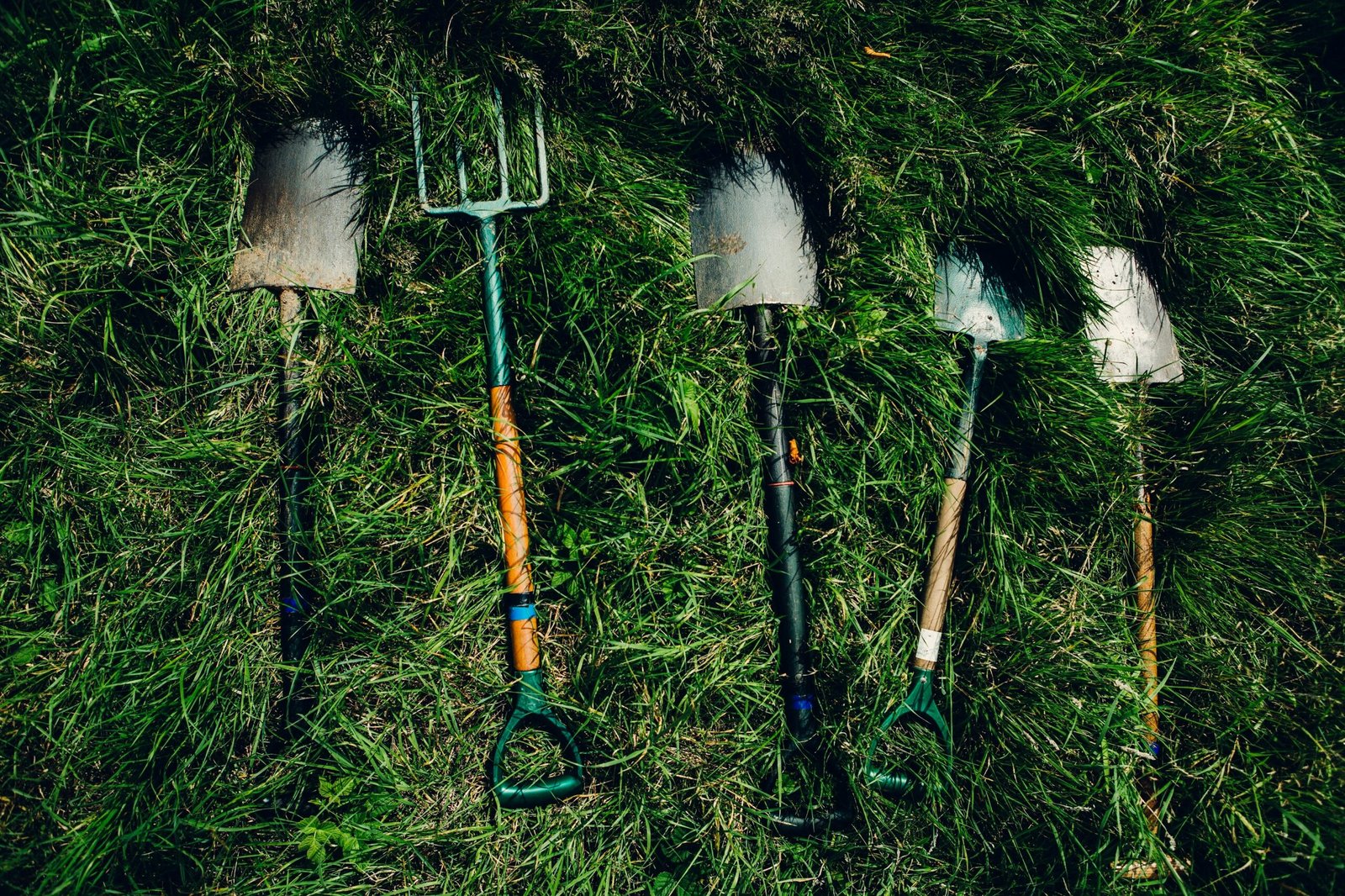
A small, well-chosen set of tools speeds routine tasks and reduces frustration. The right-hand trowel or pruner cuts the time to pot up seedlings from 30-45 minutes to 10-15 minutes, and a tidy storage spot keeps tools in use rather than lost in a closet.
Which core tools to buy first and why they matter?
Prioritize tools that perform multiple tasks and are comfortable to hold. Metal quality and handle security matter more than brand names; forged steel heads and full-tang or well-fastened handles resist breakage. If you must choose, pick sharpness and ergonomics over flashier features—metal blades can be sharpened for years.
Essential hand tools
- Hand trowel — Look for a 6-8 inch stainless or carbon steel blade with a slightly pointed tip for breaking compacted soil. A good trowel serves digging, transplanting, and scooping potting mix; budget range 10-25 USD.
- Transplanter or narrow trowel — Useful for deeper holes and tight spacing when planting seedlings or bulbs. A single quality trowel can often cover both roles if budget limits purchases.
- Hand weeder or hori hori — A forked weeder removes taproots cleanly; a hori hori knife doubles as a soil knife, measuring tool, and small saw. Hori hori knives typically cost 15-30 USD and replace several single-purpose items.
- Bypass pruners — For clean cuts on live stems, choose bypass (scissor-type) pruners with comfortable grips and a sap-clearing notch. A durable pair in the 15-40 USD range will last with occasional sharpening.
Decision factors: choose stainless if you expect damp storage; choose carbon steel if you prefer a longer-lasting edge and are willing to oil tools. Test grip comfort where possible—blisters and wrist strain are common with cheap handles.
Storage and workspace solutions that fit small spaces
Keeping tools visible and accessible increases usage. Use a single mobile container for daily tools, plus vertical storage to save floor space. A 5-gallon bucket with an organizer or a fabric tool tote is both inexpensive and effective.
Small-space storage picks
- 5-gallon bucket with organizer — Portable, cost-effective, and often usable as a seat. Thrifted buckets and construction buckets work well; add a lid to protect contents from rain.
- Tool caddy or tote — Fabric caddies with pockets keep pruners separate from dirtier tools and slide under a sink or balcony shelf; expect 10-25 USD.
- Wall hooks and magnetic strips — Install 3-4 hooks and a magnetic strip in a closet or balcony nook to hang tools vertically and reduce clutter.
- Compact shelving — A small 2-shelf unit stores potting mix and a watering can; keep heavier items on lower shelves for safety.
Operational tip: keep a labeled spray bottle for foliar sprays or pest checks and a small dustpan/brush set for clearing potting mix spills—quick cleanup lowers the friction to work the next day again.
Soil, amendments, and watering basics that give the biggest return
Beyond tools, soil and water choices influence plant health more than most gadgets. Container gardeners often fail because of poor drainage, wrong potting mix, or inconsistent watering. Invest in the right potting medium and learn simple moisture checks.
What to buy and why?
- Potting mix vs garden soil — Use commercial potting mix for containers; garden soil is too dense and compacts. Small bag sizes (8-12 quarts) cost 5-15 USD and are enough for several pots.
- Compost — Mix in 10-20% compost by volume when potting up or use a 1-2 inch top dressing each season. Community compost programs often offer low-cost or free material.
- Lightweight amendments — Perlite and coconut coir reduce weight and improve drainage on balconies where load limits matter.
- Soil testing — A simple pH strip kit or an N-P-K test costs about 10-20 USD online. For detailed recommendations, local extension services offer lab tests with soil amendment advice.
Watering guidance: most vegetables need 6-8 hours of direct sun; match plant choice to the light you have. Use the finger test—insert two fingers into the soil; if the top 1-2 inches are dry, water.
Small pots may require daily watering in heat;3-5 gallon pots typically need water every 2-3 days, depending on temperature and sun exposure.
Seasonal timing, frost awareness, and spacing rules that matter
Timing and spacing determine whether seedlings live and produce. Learn your local last frost date and plan seeding and transplanting around it. Hardening off transplants over 7-10 days prevents shock when moving plants outdoors.
- Seed starting — Start warm-season crops like tomatoes and peppers indoors 6-8 weeks before your last frost date. Cool-season crops such as lettuce and peas can be sown 2-4 weeks before the last frost.
- Frost-sensitive crops — Hold off planting tomatoes, basil, peppers, and cucumbers until frost risk has passed or use cloches and mini greenhouses for early starts.
- Spacing — Follow seed packet spacing: determinate tomatoes often need 18-24 inches between plants; leaf lettuce can be 6-8 inches. In containers, allow 3-5 gallon pots for most compact vegetables; larger pots for big tomatoes.
Example scenario: a south-facing balcony with limited ledge space can host one tomato per 3-5 gallon pot plus basil planted around the edges. Start tomato seedlings indoors 6 weeks before the last frost, harden them off for 10 days, and water 1-2 times daily during hot spells. Mulch with a thin layer of compost to slow evaporation.
Pest, disease prevention, and routine maintenance to protect investments
Small, regular maintenance protects plants and tools. Weekly checks catch pests early; a short tool-care routine keeps implements functional for seasons.
Practical pest and disease steps
- Weekly scouting — Inspect leaves and stems, especially undersides, for aphids, caterpillars, and mites. Early removal limits the spread.
- Low-toxicity controls — A strong jet of water dislodges many soft-bodied pests. Insecticidal soap is effective for persistent soft-bodied outbreaks.
- Watering timing — Water at the soil line in the morning to reduce fungal disease risk; avoid overhead watering late in the day.
- Sanitation — Remove dead foliage promptly and refresh potting mix yearly for containers to reduce soil-borne pathogens. Clean tools between seasons with a 1:9 bleach solution if disease is suspected, then rinse thoroughly.
Slug control: shallow containers sunk slightly into the soil with beer traps or copper tape on pot rims deter slugs. Sticky traps can help monitor flying pests, but won’t address root-feeding insects.
How to save money: secondhand finds, DIY items, and when to splurge
Stretch funds by mixing thrifted gear, intelligent new purchases, and DIY solutions. Buy new where safety and sharpness matter; buy used for durable, noncritical items.
- Secondhand sources — Thrift stores, flea markets, and community swap groups often yield usable tools. Check for bent steel, loose handles, and heavy rust; light surface rust is fixable with steel wool and oil.
- DIY options — Convert an old table into a potting bench with a plastic liner, repurpose a crate as a seed tray, or use a shoe organizer as a vertical seedling shelf.
- When to splurge — Buy a single quality pruner or hori hori rather than several poor substitutes. Look for lifetime warranties on hand tools if you plan heavy use.
- Best times to buy — Off-season sales in late fall and winter are best for discounts; early spring is peak price season.
Price orientation: expect 10-30 USD for a useful hand trowel or hori hori,15-40 USD for solid pruners, and 5-20 USD for buckets and storage. Seed packets are inexpensive—2-5 USD each—but choose varieties suited to your light and container size.
Ergonomics, common mistakes, and small operational details that save time
Pick the right pot size — Many beginners use pots too small; choose slightly larger containers to reduce daily watering and root binding.
- Protect your hands and wrists — Soft-grip handles and gloves with reinforced fingertips reduce blisters and increase time spent gardening.
- Avoid overfertilizing — Follow label rates; slow-release granules or light weekly liquid feeds are safer for containers.
- Harden off transplants — Gradually increase outdoor exposure over 7-10 days to avoid leaf scorch and death from sudden exposure.
Small sensory observation: newly potted soil often smells faintly sweet and earthy—an indicator of active microbes; sharp chemical or ammonia smells suggest incomplete composting or high nitrogen levels. A slight crunch when you press dry potting mix signals good aeration; a compacted, sodden feel indicates poor drainage.
Realistic $75 starter kit example and what you can do with it
| Item | Estimated Cost (USD) | Notes |
|---|---|---|
| Hand trowel (stainless) | 15 | Multi-use; forged head preferred |
| Bypass pruners | 20 | Comfort grip; sharpenable |
| Hori hori or soil knife | 15 | Weeding, digging, measuring |
| 5-gallon bucket + organizer | 8 | Portable storage and seat |
| 1-2 gallon watering can | 7 | Long spout for pots |
| Small bag of potting mix + compost | 10 | Enough for 2-3 medium pots |
| Total | 75 |
With these items, you can pot up three medium containers, perform weekly pruning and pest checks, and handle seasonal transplanting. Over two seasons, tool usage will reveal where to upgrade next.
Where to get reliable local help and further reading?

For precise frost dates, soil testing, and plant selection, contact your local cooperative extension office. The USDA plant hardiness zone map is another useful external reference for long-term planning.
For buying guidance and upgrade checklists, see internal resources like Basic vs Advanced Garden Tools: What’s Worth Buying and Essential Gardening Tools Every Beginner Needs.
Short anecdote-style observation
It’s common to see balcony gardeners add one extra pot “just to try” a new herb; two seasons later, the herb is still thriving because the gardener stuck with a small, maintainable routine rather than scaling up too fast. Small steps and steady attention produce reliable results.
Practical wrap-up
Start with a comfortable trowel, a reliable pair of pruners, a hori hori or soil knife, portable storage, and a decent potting mix. Learn your last frost date, match plants to the light you have, and check moisture with the finger test.
Weekly maintenance—clean tools, scout for pests, and refresh potting mix annually—keeps a low-cost kit productive. As you gain experience, add one tool at a time where it clearly solves a repeated task.