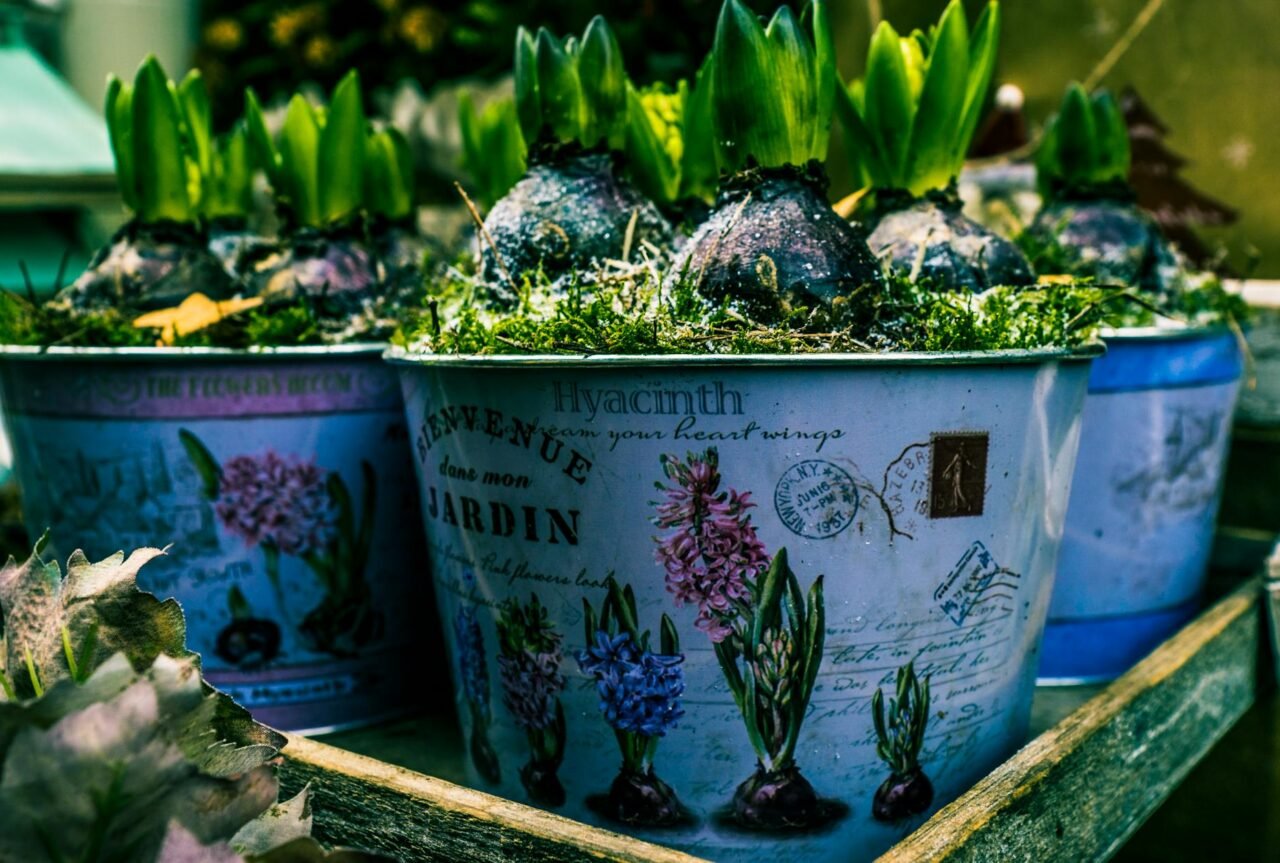
Container fruit gardening brings fresh fruit within arm’s reach of a kitchen, even on a tiny balcony. You get control over soil, easier pest management, and the option to move plants for sun or frost protection.
Pots demand more frequent watering, feeding, and occasional repotting, and yields are usually smaller than in-ground trees. Pots heat and dry faster and limit root volume, so plan around those constraints rather than expecting orchard-sized returns.
Pick the right plants and rootstocks for success in pots
Size and rootstock determine most outcomes. Look for plants labeled “dwarf,” “patio,” or with known dwarf rootstocks (for example, M27 for apples or compact citrus rootstocks). Those choices bear fruit earlier, stay manageable, and suit container life.
Fruits that suit containers
- Citrus: Meyer lemon, kumquat, and key lime are patio-friendly; they tolerate pruning and can be wheeled indoors for freezes.
- Dwarf stone fruits: Nectarines and peaches on genetic dwarf or semi-dwarf types give great flavor but smaller harvests; prune annually.
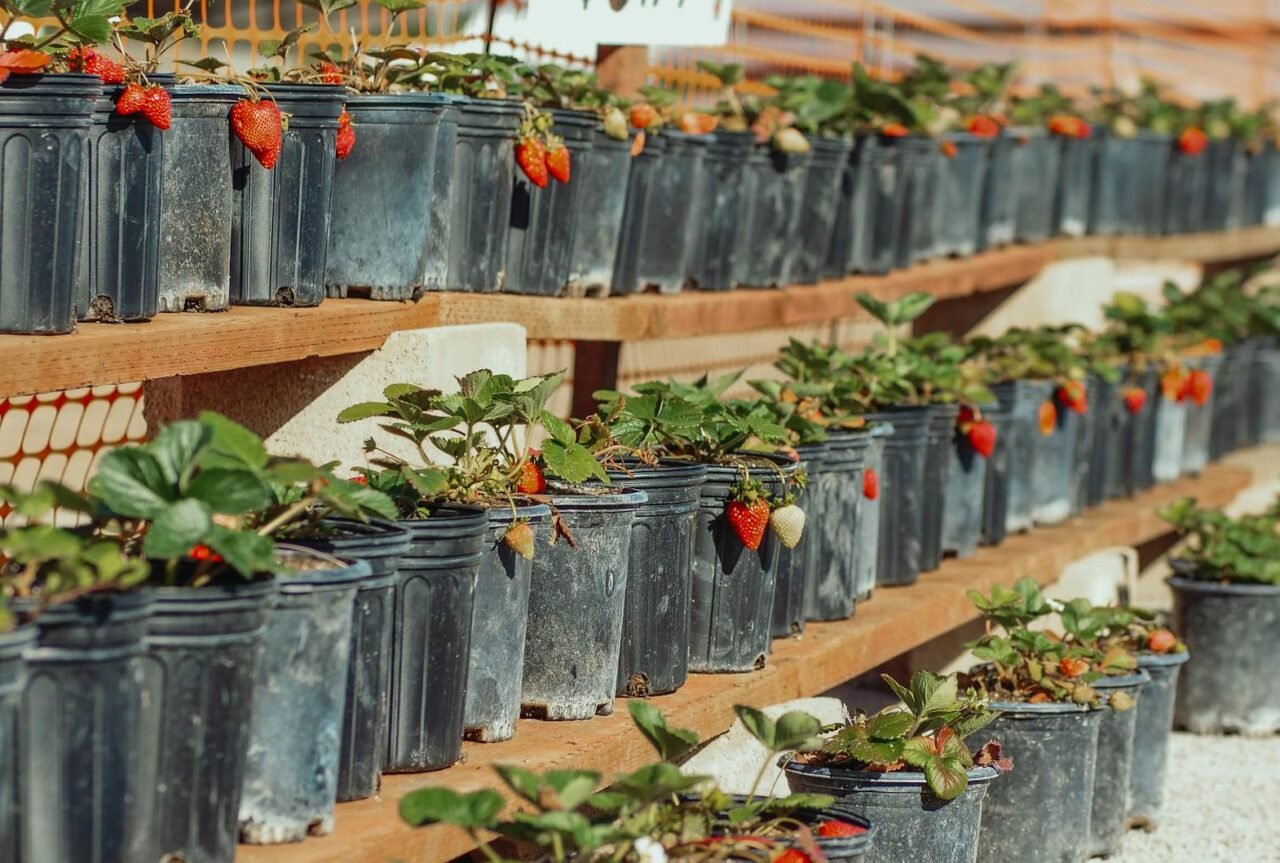
- Berries: Raspberries, blackberries, strawberries, and blueberries thrive in pots—note blueberries need an acidic mix and a taller pot for root development.
- Figs: Handle repotting and root pruning well; they fruit reliably with winter protection in cooler zones.
- Also possible: Pomegranate, espalier apples/pears on dwarf rootstock, and some grapes with support in large tubs.
Decision factors: chilling hours for stone fruits, pollination needs (self-fertile vs. cross-pollination), and climate hardiness. In cold regions, choose low-chill cultivars or plan to overwinter tender pots indoors.
Container choice: size, material, drainage, and mobility
Give roots volume. Bigger containers equal longer time between waterings, greater nutrient reserves, and higher yields—but more weight. Typical starting sizes:
- Berries and strawberries: 6–10 L pots.
- Dwarf fruit trees (2–3 m mature height): 25–60 L pots.
- Semi-dwarf or long-term specimens: 80–120 L or larger.
Material trade-offs: terracotta breathes and cools but dries fast and can crack in freeze–thaw; plastic and fiberglass retain moisture and are lighter; wood insulates but may rot unless lined. Ensure multiple drainage holes and raise pots on feet or bricks so water flows freely. Instead of a thick gravel layer, prioritize a free-draining potting mix and adequate hole area.
Mobility matters for frost-prone locations—use heavy-duty caster wheels or rolling stands for large pots so you can move plants indoors or to sheltered spots.
Soil mixes, pH, and feeding schedule that keep roots healthy
Don’t use garden topsoil. Fruit plants need a mix that retains moisture yet drains and resists compaction. A balanced potting mix reduces root disease risk and supports regular feeding.
Reliable potting mix recipe
- 50% high-quality loam-based or peat: based potting soil
- 20% coarse perlite or pumice for aeration
- 20% well: aged compost for nutrients and biology
- 10% coarse sand or pine bark fines for structure
Add a slow-release balanced fertilizer at planting (an N–P–K such as 6–8–8) and supplement with water-soluble feeds every 4–6 weeks for heavy feeders like citrus and stone fruits. Blueberries and other ericaceous plants need an acid mix (pH 4.5–5.5); citrus prefers pH 5.5–6.5.
Repotting: small pots every 1–2 years, larger pots every 3–5 years. When roots circle the pot or push through drainage holes, repot into a container 5–10 L larger and refresh the mix; trim no more than25% of the root ball. See guidance on repot timing for details.
Light, watering, and seasonal care that actually matter
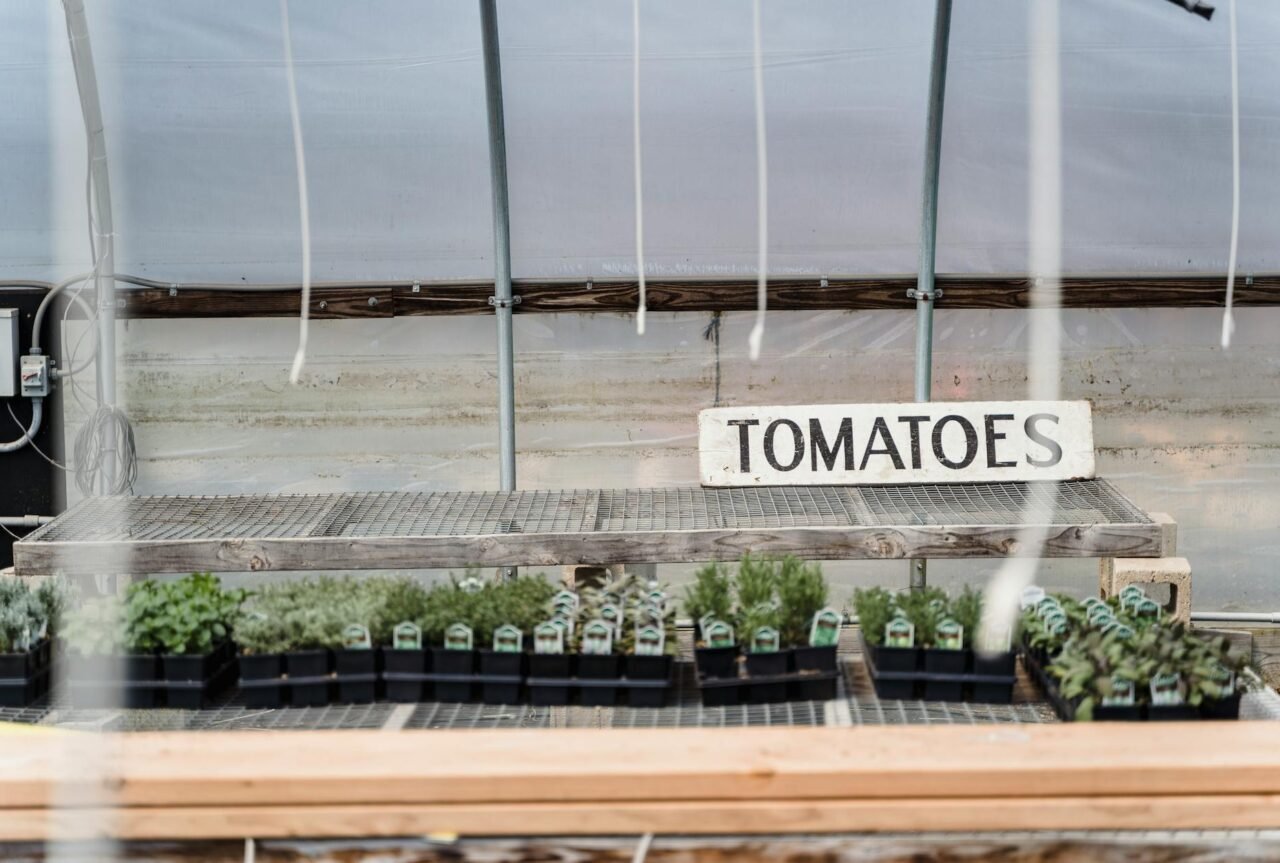
Sunlight is the single biggest limiter. Most fruit plants need 6–8 hours of direct sun for reliable bloom and fruit set. If you only have partial sun, choose berries or figs and accept lower yields. Citrus tolerates bright morning sun and some afternoon shade in hot locations.
Watering—how to tell when enough is enough
Watering depends on pot size, mix, temperature, and plant size. Small pots may need daily watering in heat; large tubs can go several days. Use simple checks: insert a finger 5–10 cm into the mix or lift the pot to judge weight. Water thoroughly until it drains freely; avoid frequent light top-ups that cause shallow roots.
For more watering tests and guidance, read How Often Should You Water Container Plants?.
Seasonal timing: planting, pruning, dormancy, and frost strategies
- Spring — Plant after the last frost, prune before budbreak for deciduous types, and begin light feeding as growth resumes.
- Summer — Peak growth and fruiting; watch for heat stress, increase watering frequency, and thin excess fruit on stone fruits to prevent branch breakage.
- Autumn — Harvest, taper feeding, move or insulate tender plants before hard frost.
- Winter — Deciduous plants are dormant: cut back watering and stop fertilizing; citrus may need supplemental protection or indoor shelter during prolonged freezes.
Prune to maintain a smaller scaffold—shorten vigorous shoots to 2–4 buds and open the canopy to light. Heavier pruning sacrifices this season’s crop but improves manageability and long-term yields.
Pests, diseases, and prevention strategies that work in pots
Pots reduce some ground pests but don’t remove insects, birds, or fungal pathogens. The warm, shallow pot microclimate can favor certain diseases, so prevention is key.
- Root rot and Phytophthora — Caused by poor drainage or overwatering; prevent by using a free-draining mix, avoiding standing water, and inspecting roots during repotting. See How to Prevent Root Rot in Container Plants? for detailed steps.
- Insects — Aphids, scale, spider mites, and thrips: inspect new purchases, use sticky traps, and apply insecticidal soap or horticultural oil in cool hours.
- Birds and small mammals — Netting or lightweight cages protect ripening fruit on balconies.
- Viral/bacterial — Buy certified disease-free plants and sanitize tools between cuts.
What people miss: pot soils lose microbial diversity over the years. Refresh compost, add organic matter, and consider a microbial inoculant to restore nutrient cycling and disease suppression.
Spacing, pollination, and what to expect from yields
Potted spacing is about the canopy and airflow more than ground distance. Keep pots far enough apart that leaves and fruit don’t touch neighboring containers—crowding increases disease. For pollination, choose self-fertile cultivars when space is limited; otherwise, plan for a compatible partner or hand-pollination with a small brush during bloom.
Yield expectations: think handfuls instead of bushels for most potted trees in early years. As roots fill a large container and the plant matures, production can increase, but will rarely match a tree in the ground.
Common mistakes and how to fix them
Too small a pot — Stress and poor fruiting. Fix: move up one pot size sooner rather than later.
- Overwatering — Leads to root rot. Fix: improve mix drainage and check moisture by weight.
- Inconsistent feeding — Fluctuating growth. Fix: combine slow-release fertilizer at planting with liquid feeds every 4–6 weeks in the growing season.
- Ignoring winter needs — Tender losses. Fix: plan winter storage, insulate pots, or choose hardier varieties for unprotected spots.
- Buying oversized trees for small pots — Plants struggle. Fix: Buy 1–2-year dwarf container stock sized to the pot you plan to use.
Practical example: a balcony citrus setup that scales
Context: south-facing 2 m ×3 m balcony in USDA zone9b. Decision: three40 L plastic pots—Meyer lemon, kumquat, and dwarf lime—on castor wheels; high-quality potting mix with slow-release citrus fertilizer. Outcome: frequent summer watering (every 2–3 days), fruit by year2 and several pounds across three trees by year 4.
That setup shows the trade-offs: mobility for winter moves and 40 L pots for a balance of root volume and weight. Skip15 L pots for citrus unless you accept much smaller harvests and more frequent repotting.
Maintenance timeline (scannable)
| Season | Key tasks |
|---|---|
| Spring | Plant after the last frost, prune, start regular watering and feeding |
| Summer | Monitor water daily in heat, thin fruit, and check for pests |
| Autumn | Harvest, reduce feeding, move or insulate tender pots |
| Winter | Minimal watering for dormant deciduous plants; protect or move tender evergreens |
Two short, lived-in observations
You’ll notice pots at midday can be several degrees warmer than shaded soil—move a sensitive citrus into dappled afternoon shade in heatwaves to prevent leaf scorch. Expect berries in late summer to feel particularly juicy right after an evening rain or heavy watering; the flavor often peaks during cool nights.
Common observation: small balconies often develop a scent of citrus blossom in late spring that draws pollinators—put a shallow saucer of water nearby and you’ll see more bees visit.
FAQ
Can I grow full-size trees in containers long-term?
Not really—full-size trees need expansive root systems and will become root-bound or require frequent root pruning if confined. If you want larger specimens temporarily, use very large containers (100 L or more) and accept more maintenance; better strategy: choose dwarf or patio varieties built for container life.
How often should I fertilize container fruit plants?
Use a slow-release fertilizer at planting, then supplement with a water-soluble feed every 4–6 weeks during the growing season for heavy feeders like citrus and stone fruits. For blueberries and figs, lighter monthly feeding usually suffices; adjust if leaves turn pale or growth becomes leggy.
What’s the best way to overwinter tender potted fruit if I have limited indoor space?
Move smaller pots indoors to a bright, cool spot (10–15°C) if possible. If that’s not an option, wrap pots with bubble wrap or burlap, mulch the surface, and place them against a sheltered wall under an eave; cover plants with frost cloth during hard freezes. For heavy freezes, wheelable pots stored in an unheated garage usually fare better than exposed ones.
How do I handle pollination on a balcony without neighbor trees?
Pick self-fertile varieties when possible. For species that need cross-pollination, hand-pollinate blossoms with a small paintbrush or cotton swab during bloom, transferring pollen between flowers; also plant pollinator-friendly flowers to attract bees and hoverflies.
When should I repot or root-prune a potted fruit tree?
Repot when roots circle the pot, push through drainage holes, or top growth slows despite good care—typically every 2–5 years depending on pot size. When root-pruning, remove up to25% of the root mass, refresh half the mix, and avoid heavy top pruning at the same time to reduce stress.
Practical resources and further reading
For variety selection and dwarf rootstock details, consult reputable nursery articles and extension publications such as the Stark Bro’s growing guide and the LSU AgCenter bulletin on container fruit crops. For step-by-step watering tests and pot care, see the site on watering container plants linked above.