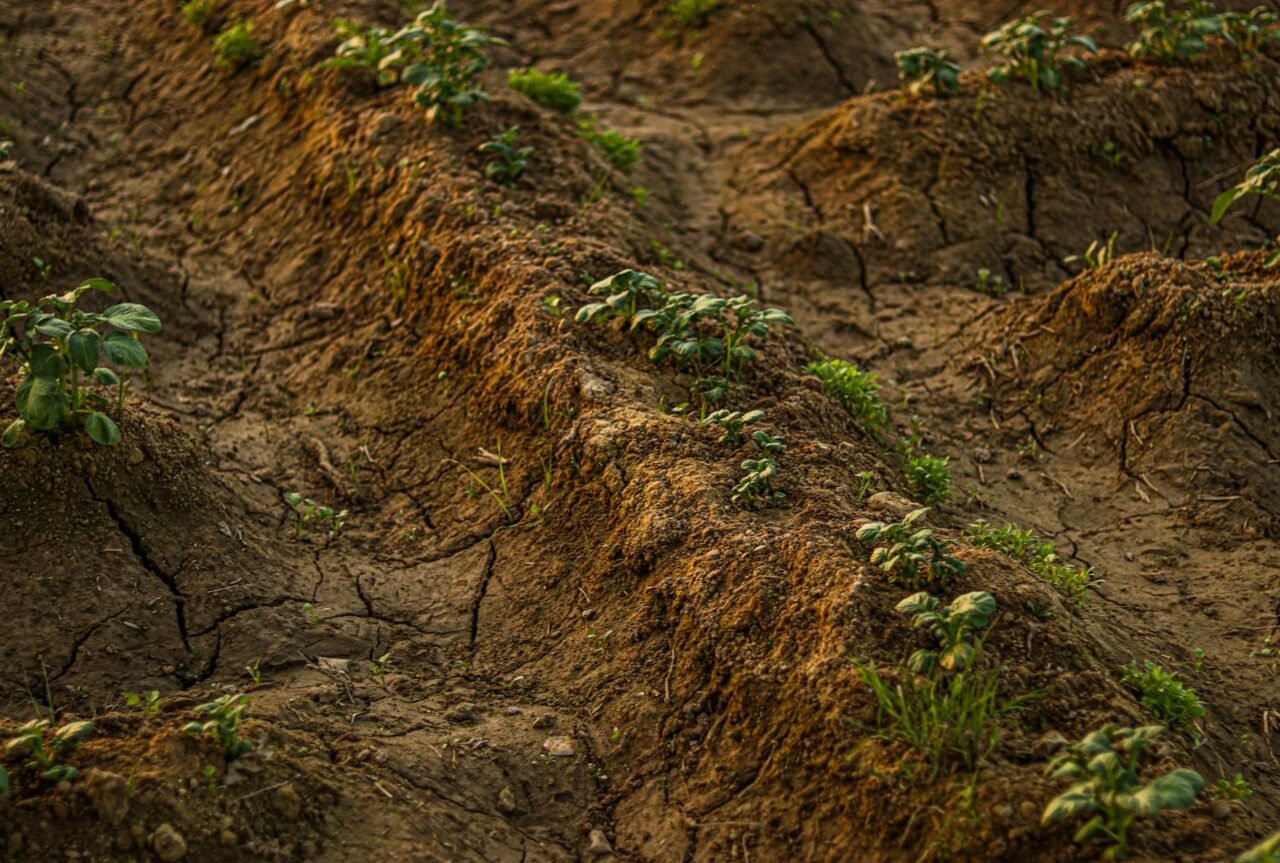
Seasonal climate drivers such as La Niña and El Niño don’t alter plant biology, but they rewrite the environmental script plants must follow. Those shifts change storm tracks, soil moisture, and temperature timing—factors that determine when seeds germinate, when buds break, and whether roots thrive or suffer.
For 2026, a quick La Niña exit and the rising odds of El Niño mean wetter-than-usual spring in some areas and warmer, stormier swings later.
You’ll feel it as a cool, sodden April that delays planting, then a stretch of heavy storms and warmer nights that accelerate growth or create flood risk.
How do sunlight and temperature shifts change timing and crop choices?
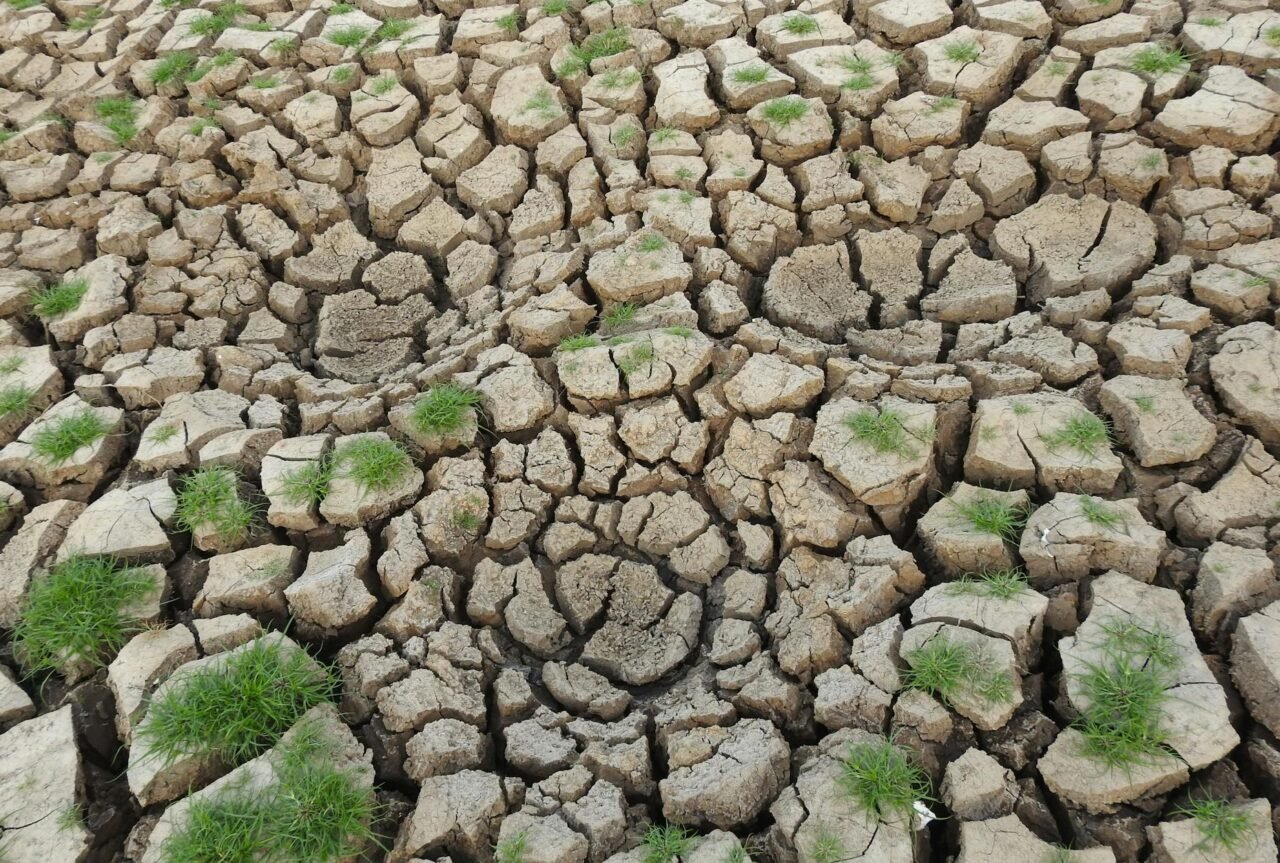
When seasonal averages shift, the growing season’s start and end move too. Reduced cloud cover during warm phases boosts daily light integral (DLI), speeding photosynthesis if temperatures and water allow. Conversely, prolonged cloudiness reduces DLI, slowing growth even with adequate warmth.
Frost timing, soil warming, and phenology—what to watch for
Three timing checks you can use: last hard frost trends over five years, soil temperature at 2–4 inches, and accumulated growing degree days (GDD) for target crops.
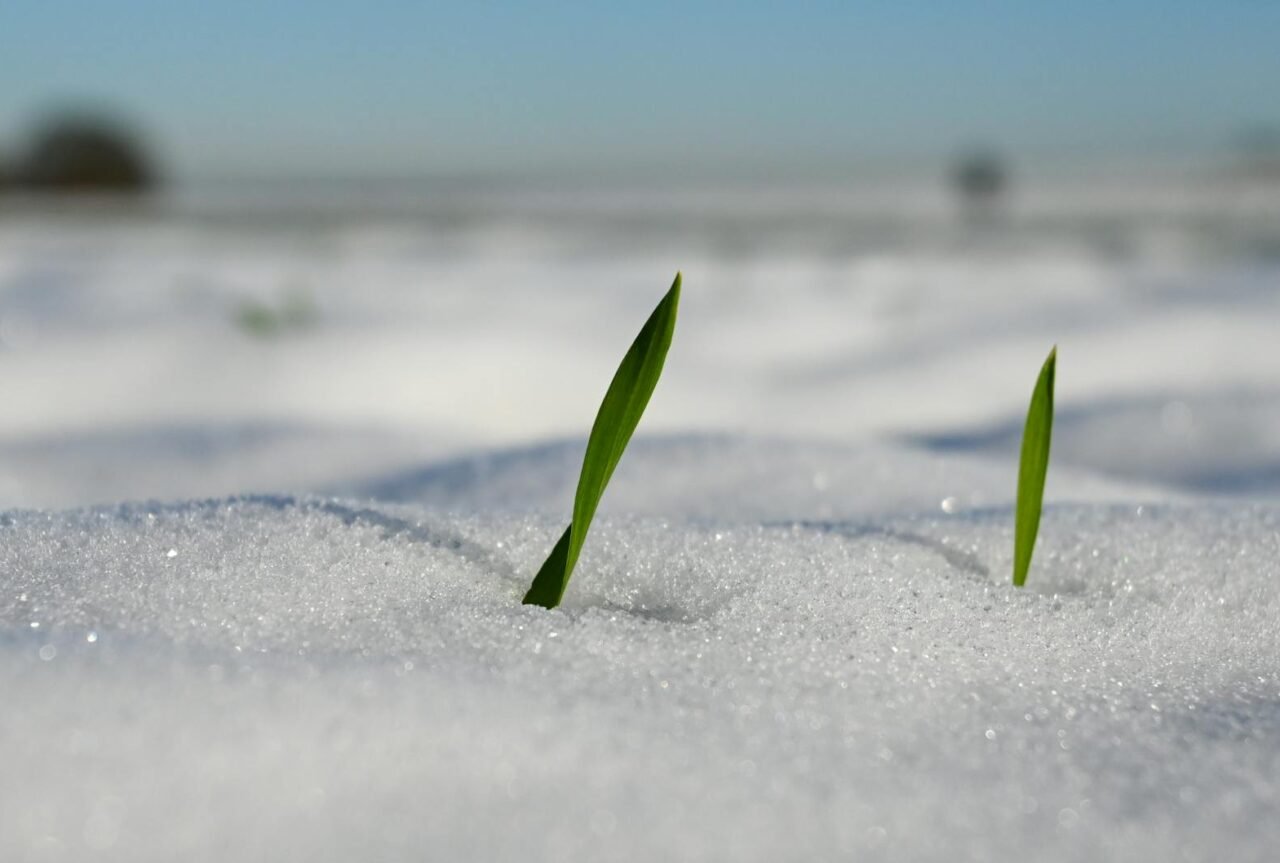
Aim to transplant warm-season crops only after the soil reaches the target (typically 55–65°F for many vegetables). If air temperatures jump early but soils lag, aboveground shoots will appear active while roots remain stunted—here’s the catch: those plants are at higher risk if dry spells or heat arrive suddenly.
In cool, wet springs, seedlings often show pale, elongated stems while root balls remain tight and underdeveloped; after a sunny week, they bulk up aboveground but can collapse under drought stress because roots never expand.
Another common sight: raised beds warming 2–3°C faster than flat beds, letting transplants begin root growth sooner and avoid the melt-and-freeze damage common in low areas.
Soil conditions, moisture extremes, and what to do first
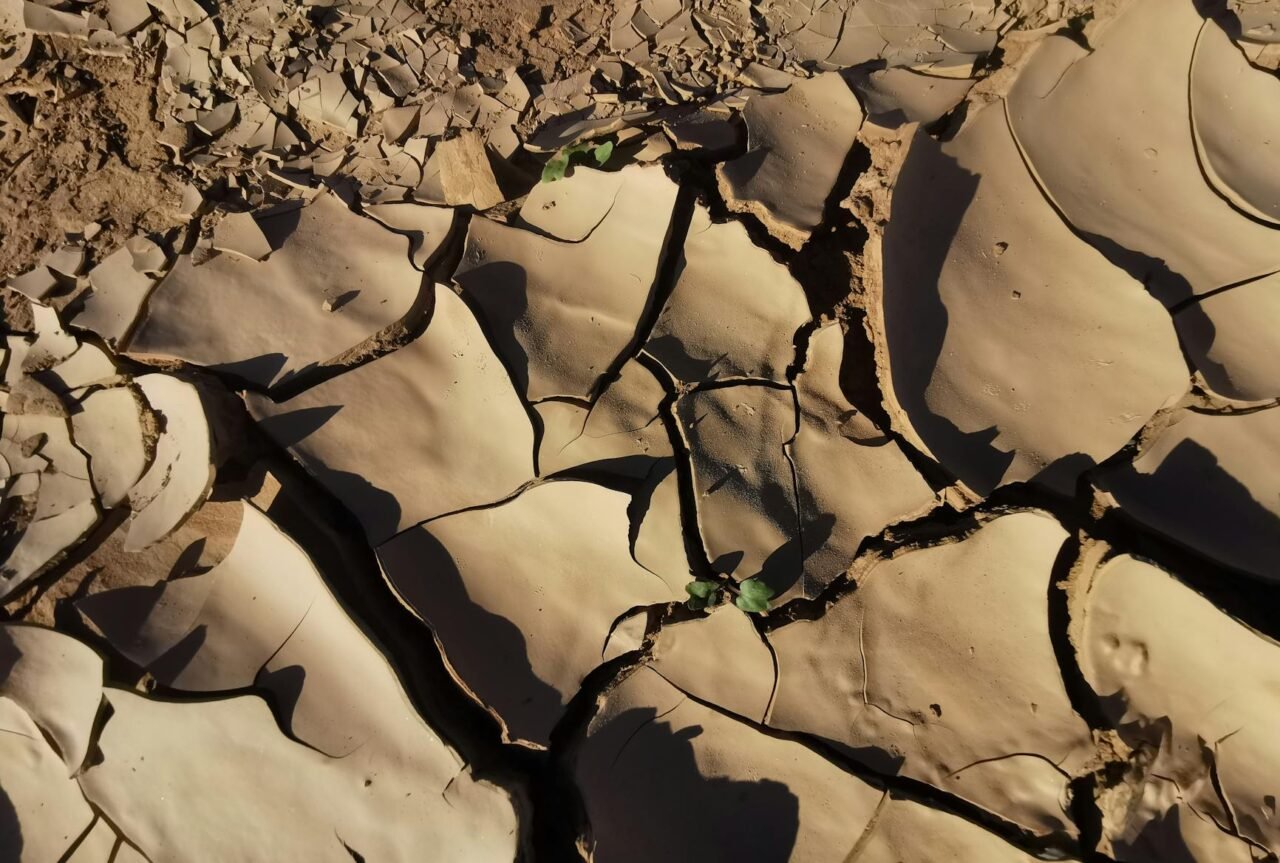
Soil is where weather becomes fate. Drought reduces stomatal conductance and leaf expansion, cutting yields. Waterlogging displaces oxygen, halts root respiration, and invites root rots.
With ENSO swings and shifting 2026 patterns, expect wider swings between those extremes in many regions.
Decision factors for soil management
- Soil texture: Sandy soils drain quickly and need more frequent, low-volume watering; heavy clays hold water and benefit from raised beds or improved drainage.
- Topography: low spots collect runoff and stay cold; slopes shed water and warm faster.
- Crop rooting depth: shallow-rooted ornamentals need consistent surface moisture; deep-rooted perennials and many crops tolerate surface fluctuation better.
Water management strategies that actually work
- Match irrigation to peak deficit: size systems to meet the maximum expected evapotranspiration. For landscapes, micro-irrigation or drip systems with pressure-compensating emitters are worth it when you must stretch water efficiently.
- Use soil moisture thresholds rather than calendar schedules: most perennials need irrigation when the top 2–3 inches dry; newly planted stock needs a consistently moist root zone for 2–6 weeks, depending on species.
- Drainage fixes: raised beds (6–12 inches high) or French drains where water pools reduce standing water, warm soils faster, and let roots breathe earlier in spring.
Investing in drainage and irrigation raises upfront costs but reduces replanting and delays. That cost is often recouped across 1–3 seasons in reduced crop failures and less emergency watering during dry spells.
Pest and disease patterns shift with warmer winters and wetter springs

Warmer winters allow more pests to overwinter successfully; wetter springs favor fungal pathogens. Those shifts change monitoring cadence and control choices.
Which pests and diseases to expect and why?
- Insect pests: milder winters increase early-season aphid and mite populations, creating higher initial pressure that can cascade if predators lag.
- Fungal pathogens: powdery mildew, botrytis, and root rots thrive when humidity and leaf wetness increase; waterlogged soils favor Phytophthora and Pythium root losses.
Targeted prevention and monitoring
- Increase airflow by pruning and wider spacing—aim for at least 30–50 cm between shrubs, where feasible, to reduce leaf-surface humidity.
- Scout weekly during warm, humid stretches: sticky traps, lower-leaf checks for eggs and larvae, and quick soil checks for saturation are practical habits.
- Soil health: add 2–4% organic matter by volume to improve structure and microbial competition; compost applications and mulches reduce splash dispersal of pathogens.
Chemical controls give fast knockdown but harm beneficials and can lead to resistance. Integrated pest management—combining sanitation, resistant varieties, and targeted interventions—stays resilient under variable weather.
Plant selection and spacing to reduce maintenance when the weather swings
Species choice beats clever watering. Native and climate-adapted plants show up in 2026 recommendations because they match local extremes better: tolerating brief droughts, local pests, and irregular precipitation.
How to pick plants that survive a volatile season?
- Match to microclimate: pick sun-loving species for exposed slopes that warm quickly, moisture-tolerant species for low, wet spots.
- Spacing: space plants at or slightly beyond their mature width to reduce humidity buildup and competition; for example, a shrub with a 1.2–1.8 m mature spread should sit 1.2–1.8 m from neighbors unless you want a hedge.
- Establishment attention: native plantings often need more weeding and mulching for 1–3 years, but require less watering and pest care afterward.
Borders planted too close create a humid tunnel where mildew waits for a lull in windy, dry weather. Skip that by picturing how the plants look three years out, not just at installation.
Practical example: Upper Midwest mixed garden coping with 2026 swings
Scenario: a plot experienced a cool, wet April, delaying planting by 2 weeks, then warm, stormy June. Actions and reasons:
- Wait for soil to reach 55–60°F before transplanting warm-season crops—soil-based timing reduced poor emergence.
- Use raised beds (6–12 inches) to speed warming and improve drainage—beds warmed 2–3°C faster, allowing roots to develop before hot weather sets in.
- Install drip irrigation and apply 2–3 cm mulch to conserve moisture during dry July spells and reduce surface evaporation.
- Plant a native perennial border 1.2 m apart to foster pollinators and harbor beneficial predators, lowering pesticide needs.
Outcome: delayed planting avoided seed rot and poor stands; raised beds produced stronger root systems; targeted drip irrigation kept yields steady in an otherwise variable season. The trade-off was a 20–30% higher initial cost for beds and irrigation, recouped across two seasons in reduced replanting and steadier harvest windows.
Short checklist: seasonal timing and soil-first decisions
| Task | When | Why |
|---|---|---|
| Check soil temp at2–4 inches | Weekly in the spring | Soil readiness, not date, determines safe transplanting |
| Inspect drainage | After heavy rains and early spring melt | Identify pooling areas to raise or drain before planting |
| Set irrigation zones | Before dry forecasted stretches | Targeted watering saves water and protects roots |
| Scout for pests | Weekly, when temperatures rise and humidity is high | Early detection allows selective controls |
Common mistakes
Planting by calendar instead of soil readiness—many failures begin because the soil is still cold and saturated, even though the air temperatures look appealing.
- Assuming aboveground vigor equals root health—cool: wet springs often produce lanky tops and weak roots.
- Overusing broad: spectrum pesticides after an outbreak—this often triggers secondary problems and kills beneficials.
- Using fixed watering schedules instead of monitoring soil texture changes, irrigation needs; sandy sites require frequent light watering, clay sites benefit from less frequent deep irrigation and drainage fixes.
Pest, disease, and spacing quick tactics
Prune for airflow and reduce leaf wetness duration: remove debris that shelters overwintering eggs.
- Use resistant cultivars and rotate crops to reduce disease build-up in soils.
- Space plants at their mature width and avoid dense rows that trap humidity—this simple change cuts fungal pressure and scouting time.
Summary
Weather drivers will keep shifting the margins of risk. A soil-first approach—watching temperature and moisture, matching plants to microclimate, and investing selectively in drainage and irrigation—keeps plants productive and reduces costly last-minute fixes.
Small upfront investments and well-timed decisions return steadier yields and healthier landscapes when the weather doesn’t cooperate.
FAQ
Should I switch to native or climate-adapted plants now?
Yes if you want lower long-term maintenance and better tolerance for moisture swings and local pests. Trade-offs include more intensive establishment care for 1–3 years—mulching and weeding—but fewer irrigation and replacement costs afterward. Check local extension plant lists or native nurseries to match soil and sun conditions.
What irrigation changes help when the weather swings between drought and heavy rain?
Install zone-based drip irrigation and use soil moisture sensors to avoid overwatering; begin with movable soaker hoses and a handheld moisture meter on a budget. For persistent waterlogging, add 6–12 inch raised beds or French drains to improve root health and planting windows.
How do I prevent fungal diseases during wet springs?
Increase spacing and prune to improve airflow, mulch to reduce soil splashing, and remove infected material promptly. Use resistant varieties when available and apply fungicides only after scouting indicates active outbreaks to protect beneficial organisms and reduce costs.
When should I invest in drainage or raised beds?
Invest when soil remains saturated for more than 3–5 days after normal rainfall or when spring planting is routinely delayed. Raised beds that are 6–12 inches high warm faster and improve root structure; French drains suit level areas with standing water. Budget the expense against likely savings from fewer replantings and less lost production.
Read Next: Soil Care Through the Seasons: What to Add and When
Read Next: How to Build a Simple Compost Bin at Home
Read Next: Easy DIY Trellis Ideas for Climbing Plants