
Garden work has a texture: the tactile click of a bypass pruner, the grunt of loosening clay with a fork, or the steady hum of a battery hedge trimmer. Choosing between manual and electric garden tools depends on garden size, plant types, soil and watering conditions, seasonal timing, and the gardener’s physical capability.
This guide is for homeowners, new gardeners, and small-scale landscapers deciding what to buy and when to use it.
“Manual” means hand-operated implements such as pruners, loppers, trowels, hoes, and shears. “Electric” covers corded and battery-powered tools: electric pruners, hedge trimmers, tillers, mowers, and blowers.
Below are practical decision factors, safety and maintenance tips, pest and disease precautions, and realistic scenarios to help you match tools to tasks.
How do garden scale, plants, soil, sunlight, and watering shape the choice?
Garden size and layout
Small vegetable beds and tight ornamental borders favor manual tools: they take less storage, fit into crowded planting, and let you work close to plants without collateral damage. For compact yards under 1,000 sq ft, manual tools often deliver faster, more precise outcomes.
Larger yards—5,000 sq ft and up—benefit from electric tools for time savings. Battery mowers and trimmers cut hours from routine maintenance. However, steep slopes, terraces, or many tight corners can make some battery or corded tools awkward or unsafe; hand tools remain useful in those spots.
Plant types and tasks
Fine pruning of fruit trees, deadheading, and harvesting favor manual pruners because tactile feedback helps avoid crushing buds. Repetitive work—long stretches of hedge trimming, mowing large lawns, or breaking new beds—leans toward electric tools for speed and reduced physical strain.
Soil type matters. Clay or compacted soil requires high torque; lightweight battery tillers may stall in heavy clay, while heavier corded or gas-powered tillers perform better. Sandy, loose soils let small electric tillers and manual forks both work efficiently.
Sunlight and watering patterns influence when to work: pruning when plants are dry helps reduce disease spread; tilling is best when the soil is moist but not waterlogged.
Strengths and limitations of manual tools

Advantages
- Precision: Manual blades let you place cuts close to collars and buds, reducing wound size and disease risk.
- Lower upfront cost: Basic pruners, trowels, and hoes typically cost $10-60 and can last years with sharpening and oiling.
- Quiet operation: No warm-up, immediate use, and low noise—good for early mornings or close neighborhoods.
- Low environmental impact and simple repairs: No batteries to dispose of and fewer parts to fail.
Limitations
- Time and physical demand: Large hedges or acres of mowing are slow and tiring; repetitive tasks strain hands, wrists, shoulders, and back.
- Not built for heavy lifting: Tasks like removing thick roots or cultivating many square feet are impractical with only hand tools.
- Speed constraints in tight seasonal windows: If pruning must be finished before budbreak or cleanup needs to beat frost, manual-only work may miss the window.
Strengths and limitations of electric tools
Advantages
- Faster job completion: Electric hedge trimmers and mowers shorten work time dramatically—what took hours by hand can take 15-45 minutes, depending on scale.
- Reduced physical strain: Motors supply cutting force; you guide rather than muscle through repetitive tasks, which helps gardeners with limited mobility.
- Modularity and features: Many battery platforms run multiple tools; electric pruners can have variable speeds, LED lights, and ergonomic grips that reduce fatigue.
- Simpler maintenance than gas: No carburetor service, easier starting, and often lower vibration.
Limitations
- Higher cost: Expect $80-300 for battery pruners or shears; full mower or multi-tool systems range $300-1,200. Batteries commonly add $80-300 each.
- Battery and power constraints: Runtime drops under heavy load; corded tools restrict reach and create trip hazards.
- Noise and neighbor impact: Battery tools are quieter than gas but still noticeable during close-range use.
- Replacement and storage needs: Batteries degrade over 3-5 years, require proper winter storage, and chargers must be maintained.
Safety, maintenance, pest prevention, and spacing guidance
Sharpen blades regularly—dull tools tear tissue and increase infection risk. Disinfect pruners after cutting diseased branches using 70% isopropyl alcohol or a 10% bleach solution, then rinse and oil to prevent rust. For soil-borne disease, remove infected debris rather than tilling it back into beds; powered tools can aerosolize spores, so wear a dust mask if needed.
Store manual tools dry and oiled; store batteries indoors at roughly 40-60% charge away from freezing temperatures. Inspect cords regularly for cuts and batteries for swelling. Avoid using electric tools in heavy rain unless specifically rated for wet conditions.
Spacing matters: crowding plants increases humidity and disease pressure. When planting hedges or shrubs, follow recommended spacing so branches have room to dry—this reduces the need for frequent heavy trimming and helps manual pruners work cleanly.
For vegetable rows, allow enough path width to use a small mower or trimmer without crushing adjacent planting; narrow beds are a manual-tools advantage.
When to use which tool during the season?
Prune deciduous shrubs and fruit trees late winter while dormant to reveal branch structure and reduce sap loss; avoid heavy pruning in late summer when new shoots are still forming.
Light hedge shaping in late spring and a final trim in mid to late summer is typical, but delay pruning if a hard frost is predicted—new growth can be damaged.
Tilling is best when the soil is moist but not saturated. Tilling wet clay compacts soil and damages structure; use a manual fork to aerate small areas instead. For fall planting of woody shrubs, loosen soil with a fork for small beds; for larger beds, an electric tiller speeds the job if the timing and moisture are right.
Ergonomics and tool selection tips
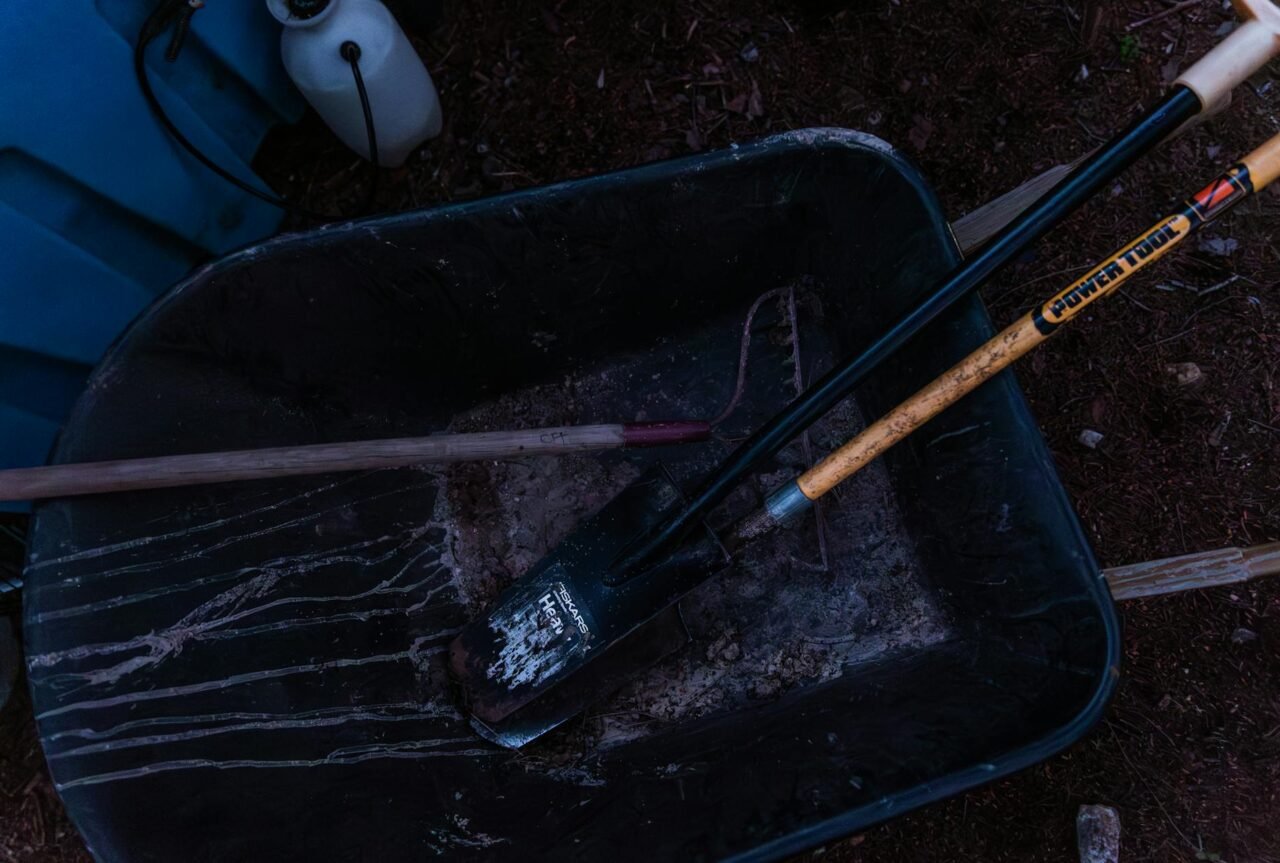
Match the tool grip and weight to your body. Bypass pruners with a spring return and cushioned grips reduce pinch force; ratcheting loppers multiply leverage for thicker stems.
Battery tools cut force but add weight—check balance and handle reach. Test tools where possible, or rent a model for a weekend to evaluate comfort and runtime.
For repetitive cuts near delicate buds, keep a small manual bypass pruner even if you own an electric pruner; it preserves tactile feedback for finishing work. When a battery tool is heavier on one side, swap hands between tasks or use an adjustable strap to shift the load.
Cost, long-term value, and what to look for
Expect to pay $10-60 for durable hand tools and $100-1,200 for electric systems. If you mow or trim large areas weekly, a battery mower that saves several hours each month can justify its cost in 2-4 seasons.
Check warranties, battery interchangeability across tools, and spare-part availability; brands with modular batteries and easy-to-source parts lower lifetime cost.
Consider hidden costs: replacement blades, sharpening, battery replacement every 3-5 years, and proper battery storage. Look for brushless motors in electric tools for better efficiency and longer life, and choose batteries with clear capacity ratings and compatible chargers.
Technology, attachments, and real-world adjustments
Many modern battery platforms support string trimmers, blowers, hedge trimmers, and mowers on a single battery, reducing redundancy. Variable-speed controls help conserve battery life—use lower settings for delicate flowers and higher for dense brush. Brushless motors run cooler and extend runtime under load.
Electric pruners cut thicker stems quickly and reduce repetitive strain, but they can sacrifice some feel for the cut. Keep a manual bypass pruner for precise finish cuts around buds and fruiting spurs. When working at dusk, an LED-equipped tool head improves accuracy without disturbing neighbors with a bright spotlight.
Realistic homeowner scenario
A homeowner with a 0.5-acre lot has three small apple trees, a 12 by 8 ft vegetable patch, two 40 ft hedges, and about 6,000 sq ft of lawn. Mild wrist arthritis makes repetitive hand pruning uncomfortable.
A balanced choice is a mid-range battery multi-tool platform (battery and charger $150-250), a battery hedge trimmer ($120-250), and a battery reel or mulching mower ($300-700). Keep a quality bypass pruner ($40-60) and a hori-hori for the vegetable patch.
- Result: the hedge trimmer finishes hedges in two sessions with one battery on medium; the battery mower cuts the lawn in 30-45 minutes instead of 90 with a push mower; manual pruners handle delicate fruit-tree cuts in late winter.
- Operational note: Store batteries indoors at about 50% charge in winter and schedule hedge trimming after most spring frost risk has passed to avoid cutting into vulnerable buds.
Common mistakes and small operational details

Using dull blades—sharpen blades every season or after roughly 50-100 woody cuts to avoid tearing tissue.
- Buying oversized battery tools without testing balance—heavier batteries forward of the handle increases shoulder fatigue.
- Over: tilling—frequent deep tilling damages soil structure and depletes organic matter; reserve tillers for new-bed work and use forks or broadforks for maintenance aeration.
- Poor winter battery storage—store at 40-60% charge in cool, dry spaces to prolong life.
Two brief observations gardeners note: pruning in the cool, dry hours of morning reduces sap bleeding and disease spread, and trimming hedges when leaves are dry gives a cleaner cut. A common observation is that a weekend spent testing a rented battery mower reveals whether runtime claims fit your lawn’s actual demands.
How to decide on your garden, step by step?
List recurring tasks and estimate annual hours for each. Note any mobility or health constraints and soil types. If precision work in small beds dominates, prioritize high-quality manual tools and a sharpener kit. If hedges, lawns, or new-bed preparation take many hours, invest in a battery platform and one or two compatible tools.
Try before buying: rent or borrow a battery mower or hedge trimmer for a weekend to test runtime and comfort. When comparing models, look for brushless motors, modular batteries, clear runtime specs, and local service availability.
For beginners on a budget, see resources on how to build a starter toolkit and what’s worth buying between basic and advanced tools.
Practical closing guidance
Manual and electric garden tools complement each other. Keep a compact set of manual essentials for precise cuts, hygiene, and small jobs; add electric tools where they save time and reduce strain.
Pay attention to soil moisture and frost windows, disinfect blades after diseased cuts, and store batteries properly. Track hours saved and changes in physical comfort—those measures clarify whether an electric purchase makes sense for your situation.
When choosing, match tools to the garden scale, plant types, and your body. With the right mix, you’ll get cleaner cuts, healthier plants, and more time to enjoy the garden.