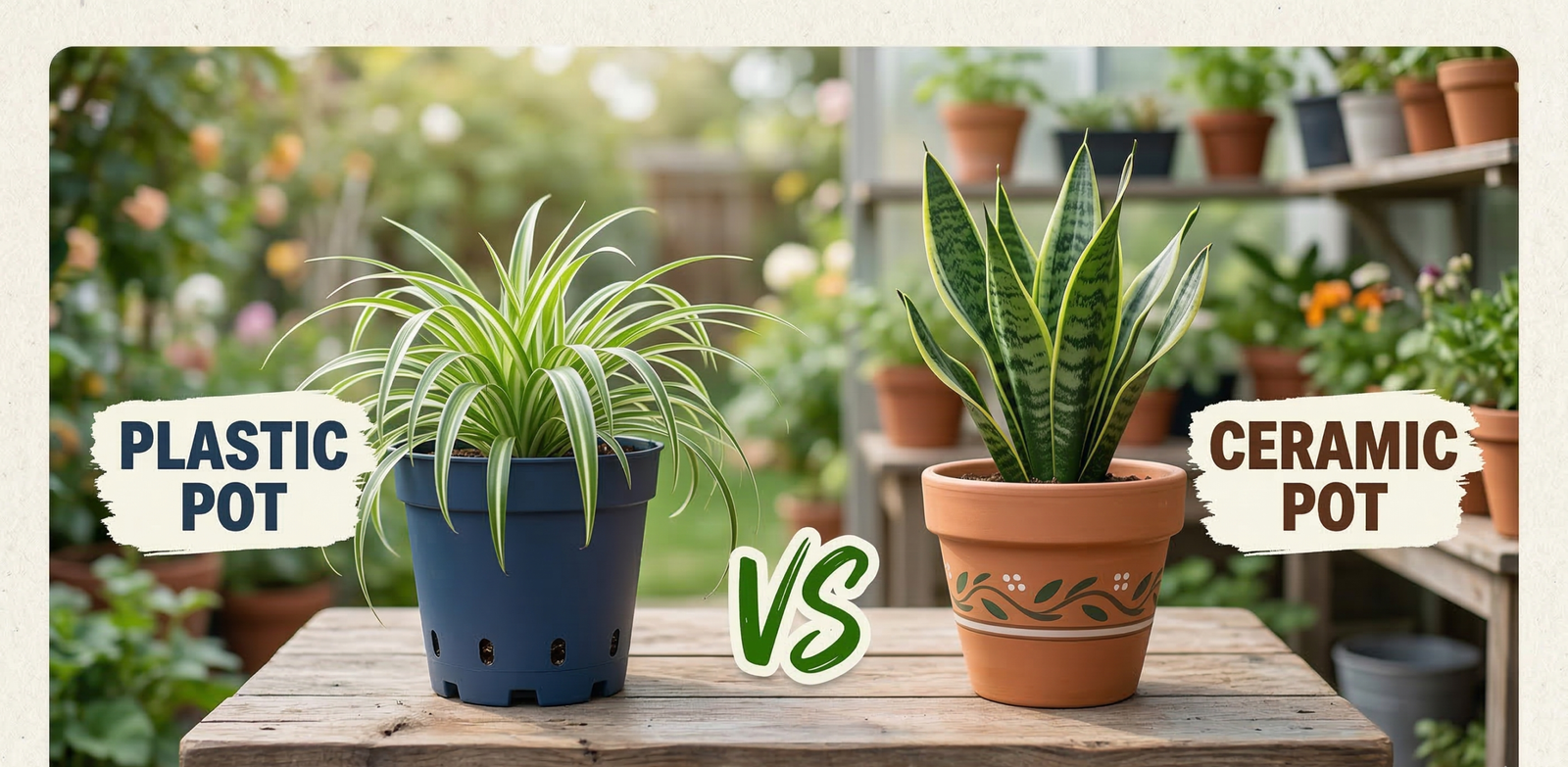
Many have found themselves in the gardening aisle, contemplating the various planters on display, unsure of which one to choose. As a passionate gardener with more than ten years of experience in both indoor and outdoor gardening, I have encountered every potting error imaginable.
Many years ago, I brought home a stunning, high-end Fiddle Leaf Fig. Desiring a flawless appearance in my living room, I promptly transferred it into a stylish, decorative plastic pot.
In just a month, the leaves transformed to a vibrant yellow before falling to the ground. Upon finally extracting the plant, I discovered that the roots were entirely decayed.
The plastic pot retained excess moisture, hindering the root system’s ability to thrive. The costly setback led me to delve deeply into botanical research to explore a crucial gardening inquiry: Is the material of your pot truly significant?
Yes, definitely. Choosing between plastic and ceramic pots goes beyond mere appearance; it significantly influences soil moisture, root health, temperature control, and the overall well-being of plants.
Understanding Plant Physiology: Why Your Pot Matters
To understand why pot material is so crucial, we have to look at how plants breathe and drink. Roots do not just absorb water; they also require oxygen to function properly.
A process called respiration occurs in the root zone. If soil stays waterlogged for too long, oxygen is pushed out, leading to root asphyxiation and the proliferation of anaerobic bacteria—commonly known as root rot.
According to the Penn State Extension on Plant Disease, poor drainage and waterlogged soil are the leading environmental causes of root rot in container plants. The material surrounding the soil directly influences how quickly that soil dries out through evaporation and transpiration.
The Case for Ceramic Pots: Terra Cotta and Glazed
When we talk about “ceramic” pots, we must divide them into two distinct categories, as they behave completely differently: Unglazed (Terra Cotta) and Glazed.
Unglazed Ceramic (Terra Cotta)
Terra cotta pots are made of baked clay and are highly porous. This porosity allows air and moisture to move through the walls of the container.
Pros:
- Excellent Aeration: The porous nature allows the root zone to breathe, promoting healthy root development.
- Moisture Wicking: It pulls moisture out of the soil, helping it dry faster. This makes overwatering much more difficult.
- Visual Moisture Cues: You can often see the water line on a terra cotta pot, as the clay darkens when wet, helping you gauge when to water.
- Weight: They are heavy, making them stable for tall or top-heavy plants like large cacti or Monstera.
Cons:
- Frequent Watering: Because they dry out rapidly, plants in terra cotta require more frequent watering, especially in dry, warm climates.
- Fragility: They chip and crack easily, and leaving them outside in freezing temperatures can cause them to shatter as absorbed water expands.
- Salt Buildup: Fertilizer salts and hard water minerals can accumulate on the outside, creating a white crust.
Glazed Ceramic Pots
Glazed ceramics are clay pots that have been coated in a liquid glass or enamel finish and fired in a kiln.
Pros:
- Moisture Retention: The glaze seals the porous clay, preventing water from evaporating through the sides.
- Aesthetics: They come in endless colors, patterns, and finishes.
- Thermal Mass: The thick ceramic walls provide insulation, protecting roots from rapid temperature fluctuations.
Cons:
- Heavy and Expensive: Large glazed pots are incredibly heavy to move and often quite expensive.
- Drainage Issues: Many decorative glazed pots lack drainage holes (they are meant to be used as “cachepots” or cover pots). Planting directly in a pot without a hole is a death sentence for most plants.
The Case for Plastic Pots
Plastic pots are the industry standard for commercial growers, and for good reason. They are made from various polymers and are entirely non-porous.
Pros:
- Moisture Retention: Plastic does not wick water away. If you have a plant that loves consistently moist soil, plastic is an excellent choice.
- Lightweight and Durable: They are easy to move, clean, and rarely break when dropped.
- Cost-Effective: Plastic is significantly cheaper to manufacture and ship than ceramic.
- Easy Repotting: Because the walls are flexible, you can squeeze the sides of a plastic pot to loosen a rootbound plant easily.
Cons:
- Overwatering Risk: Without evaporation through the sides, the soil takes much longer to dry out.
- Poor Insulation: Thin plastic offers little protection against heat and cold. In direct summer sun, a black plastic pot can bake a plant’s roots.
- Environmental Impact: While many are recyclable, plastic pots contribute to global plastic waste if not disposed of or reused properly.
Head-to-Head Comparison: Plastic vs. Ceramic
To make your decision easier, here is a breakdown of how these materials compare across key plant care metrics:
| Feature | Plastic Pots | Unglazed Ceramic (Terra Cotta) | Glazed Ceramic |
| Porosity / Airflow | None | High | Low to None |
| Moisture Retention | High (Requires less watering) | Low (Requires frequent watering) | High |
| Weight | Very Light | Heavy | Very Heavy |
| Insulation | Poor (Roots can overheat/freeze) | Moderate (Evaporative cooling) | Excellent (Thermal mass) |
| Best For… | Moisture-loving plants, hanging plants, and seed starting | Succulents, Cacti, Aroids, habitual overwaterers | Decorative displays, steady-moisture plants |
Real-World Case Studies from the Greenhouse
Theory is helpful, but practical application is where we truly learn. Here are three case studies from my own botanical trials and consulting experience that highlight how pot material dictates plant success.
Case Study 1: The Overwatered Monstera Deliciosa
The Problem: A client contacted me about a large Monstera deliciosa that was developing large black spots on its leaves, surrounded by yellow halos. The plant was housed in a massive, thick plastic pot indoors, where air circulation was low.
The Diagnosis: Fungal leaf spot triggered by systemic root rot. The thick plastic, combined with a dense indoor potting mix, meant the bottom half of the soil was remaining perpetually wet.
The Solution: We unpotted the plant, pruned away the mushy brown roots, treated the remaining root system with a diluted hydrogen peroxide soak, and repotted it into a large unglazed terra cotta pot using a chunky, well-draining aroid mix (bark, perlite, and soil).
The Result: The terra cotta allowed the root zone to breathe and dry out evenly. Within two months, the plant pushed out three healthy, fenestrated leaves, and the fungal issue halted completely.
Case Study 2: The Thirsty Maidenhair Fern
The Problem: I struggled for years to keep Maidenhair Ferns (Adiantum) alive. Because I love the look of terra cotta, I habitually planted them in clay. Despite watering them twice a week, the fronds constantly crisped up and died.
The Diagnosis: Underwatering and low humidity. Terra cotta wicks moisture aggressively. For a fern that demands consistently moist (but not soggy) soil and high humidity, the clay was robbing the roots of vital water.
The Solution: I transitioned the ferns into standard plastic nursery pots and placed those inside decorative ceramic cachepots (to hide the plastic).
The Result: The plastic locked the moisture into the soil profile. I only needed to water once a week, and the ferns grew lush, bright green fronds without the dreaded crispy edges.
Case Study 3: Balcony Garden Heatwave (Thermal Dynamics)
The Problem: During a harsh summer, an urban gardener growing tomatoes on a south-facing balcony noticed her plants wilting dramatically by 2 PM every day, despite the soil being damp. She was using standard black plastic nursery buckets.
The Diagnosis: Root baking. Black plastic absorbs solar radiation. Because plastic offers no insulation, the soil temperature inside the pots was spiking well over 100°F (38°C), causing the roots to shut down and fail to uptake water, leading to heat wilt.
The Solution: We moved the tomatoes into thick, light-colored glazed ceramic pots.
The Result: The light color reflected the sun, and the thick ceramic walls acted as thermal insulation. The soil temperature remained stable, and the afternoon wilting stopped entirely, resulting in a bumper crop by late August.
How to Choose the Right Pot for Your Plant?
Your choice of Pot should ultimately be dictated by three things: your watering habits, your environment, and the specific species of plant.
1. Know Your Watering Personality
- The Overwaterer: If you show your plants love by watering them constantly, terra cotta is your best friend. It acts as a buffer against your heavy hand, wicking away excess moisture and saving your plants from root rot.
- The Forgetful Waterer: If you frequently forget to water, go with plastic or glazed ceramic. They hold onto moisture much longer, giving you a wider margin of error between waterings.
2. Match the Plant to the Pot
According to the Royal Horticultural Society (RHS), understanding a plant’s natural habitat is key to container selection.
- Use Unglazed Ceramic (Terra Cotta) for: Cacti, Succulents, Snake Plants, ZZ Plants, Orchids, and many Aroids (Philodendrons, Monstera) that like to dry out between waterings.
- Use Plastic or Glazed Ceramic for: Ferns, Calatheas, Marantas, Alocasias, Carnivorous plants, and seedlings.
3. Consider the Environment
If the plant lives outdoors in full sun, avoid thin dark plastic. Opt for thick ceramic, wood, or light-colored, UV-stabilized resin to protect the roots from extreme heat. If the plant is going to hang from a ceiling, plastic is the safest and most practical choice due to weight limits.
The “Cachepot” Method: The Best of Both Worlds
My personal, go-to strategy for almost all indoor plants is the cachepot method. Keep your plant in its lightweight, cheap plastic nursery pot with abundant drainage holes. When you water, take the plant to the sink, water it thoroughly, and let it drain completely. Then, place that plastic Pot inside a beautiful, decorative glazed ceramic or woven basket (the cachepot).
This gives you the moisture retention and ease of plastic, the aesthetic beauty of ceramic, and prevents water from pooling at the bottom and causing rot.
Conclusion
Deciding between plastic and ceramic pots involves understanding that there is no universally “better” material. The focus is on grasping the interconnected relationship among the container, the soil, the environment, and the plant itself.
Terra cotta offers exceptional breathability for plants that thrive in dry conditions, serving as a protective measure against overwatering.
Plastic provides exceptional moisture retention, cost-effectiveness, and ease of use for species that thrive in tropical, humid environments. Glazed ceramics connect the two, providing significant aesthetic appeal and outstanding thermal insulation.