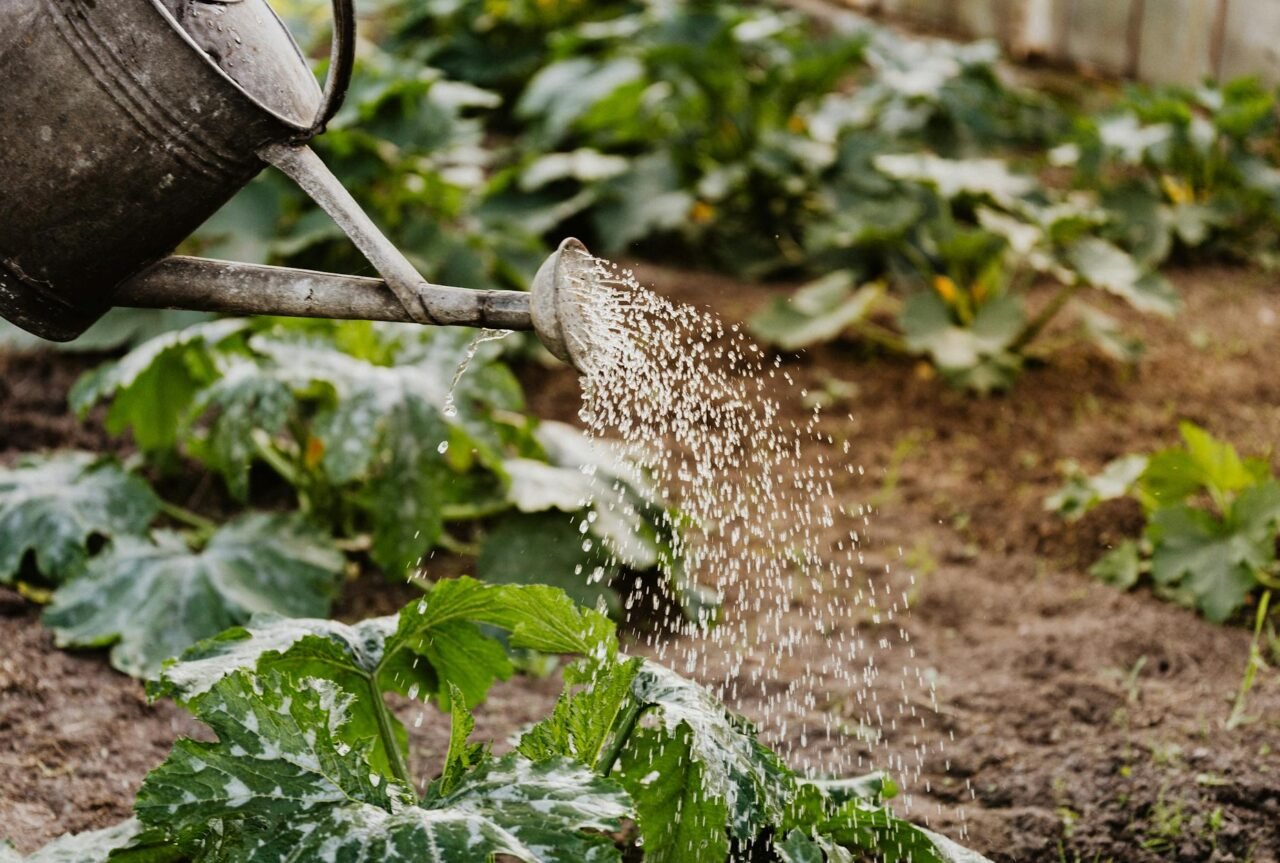
Plants need predictable moisture delivered where roots can use it, not constant shallow wetting. Seasonal watering balances plant growth stage, prevailing weather, and soil behavior.
The honest trade-off is watering enough to avoid stress while preventing overwatering that wastes water and invites root disease.
The same lawn watered twice a week in spring could need three to four times that in mid-summer heat if sun, soil, and wind combine against you. Use seasonal run-time adjustment—changing controller run times by a percentage each month—to respond quickly without rebuilding schedules.
Spring: restart irrigation and support new growth
Spring moves plants from dormancy into active growth. Soil warms, seedlings extend roots, and evapotranspiration (ET) climbs. Too little moisture stalls root development; too much keeps roots near the surface and weakens drought resilience.
Frequency, run times, and start-up checks
- Typical frequency: 1–3 times per week, depending on soil. Clay holds moisture; sandy soils need shorter, more frequent cycles.
- Run times: shorter cycles (10–20 minutes) with cycle-and-soak repeats reduce runoff on compacted soils.
- Start-up: flush lines, inspect heads, and confirm coverage if you winterized. Run each zone briefly before increasing run times.
- Temperature cue: when soil at 2–4 inches stays above50°F, roots resume active growth—shift from winter minimal levels.
What people miss: beds in full sun wake before shaded turf. Delay heavy watering ahead of a predicted frost so you don’t create ice on foliage. You’ll notice the air smells fresher on a cool April morning right after a brief soak—plant activity is ramping up.
Summer: push water to the root zone for drought resilience
Summer calls for deep, less-frequent irrigation to encourage roots to go down rather than stay at the surface. Aim to wet the turf root zone to 6–8 inches and shrubs/trees to 12–18 inches rather than keeping leaves damp.
Schedules, timing, and evaporation control
- Typical schedule: 2–4 times per week for established lawns; sandy soils or heat waves may require more frequent watering.
- Timing: early morning between 3:00 and 7:00 a.m. minimizes evaporation and disease risk; avoid night watering when possible.
- Drip for beds: Drip reduces evaporation and targets roots; sprinklers serve turf but lose more water to wind.
- Account for ET: set controllers to increase run-time percentage in the hottest months (July often used as a100% baseline).
Evaporation management tip: split zone run-times into two or three passes separated by 30–60 minutes to prevent runoff on slopes or compacted areas. You’ll hear the soft plip of drip lines settling into mulch—it’s a small sensory cue that water is reaching roots.
Fall: build root reserves and reduce nightly wetness
Fall is the last window to build carbohydrate reserves in roots and repair summer stress. Cooler days lower ET, but warm soil still allows root activity. Shift focus from foliage to root moisture while reducing wet leaves at night to lower disease pressure.
- Frequency: reduce as temperatures fall—1–2 times per week for turf; hold a deep soak for trees before hard freezes.
- Timing: when nights approach freezing, water mid-day so foliage dries before evening. Skip late-evening runs that leave leaves wet overnight.
- New plantings: keep consistent watering through the first fall; soil moisture at root depth matters more than surface wetness.
Common observation: homeowners often cut irrigation too early; a newly planted shrub left dry before roots establish commonly shows winter dieback the next spring.
Winter: water sparingly, avoid freeze damage
Growth slows, and ET falls, so most plants need far less water in winter. Evergreens and recently planted specimens can still lose moisture on mild days and benefit from occasional watering when the ground is thawed.
- Rule of thumb: water once every 3–6 weeks in mild winter conditions for larger shrubs and trees if there’s been no rain and the soil is dry.
- Timing caution: water between late morning and mid-afternoon if overnight freezes are likely, preventing ice on foliage.
- Drip advantage: Drip systems reduce surface ice risk and deliver deep moisture; avoid running sprinklers when night temperatures approach freezing.
What people miss: dormant perennials often look dry but have very low demand. Overwatering in winter creates anaerobic soil and root rot. Probe soil at root depth—if moist, wait.
Soil, sun, and irrigation system: the three decision levers

Guidance changes when you change soil type, sun exposure, or system. Matching irrigation to these realities determines success.
- Soil type: Sandy soils drain quickly and need shorter, more frequent irrigation; clay soils hold water and are prone to runoff—use cycle-and-soak; loam sits between them.
- Sun exposure: full-sun areas can need 30–50% more water than shaded spots—monitor soil moisture for each exposure and zone accordingly.
- Irrigation systems: smart controllers with weather-based adjustments can cut water use significantly, but won’t fix clogged heads or poor spacing; combine smart control with routine maintenance.
Decision factors and trade-offs: adding more zones gives precise control and water savings but increases system cost and complexity. Split turf and beds into separate zones if you want different schedules—worth it when you have mixed plantings.
Pest, disease, and spacing: how watering habits shift risk?
Watering patterns affect pests and pathogens. Surface wetness and humid leaf microclimates promote fungal diseases; drought-stressed roots attract pests and reduce resistance.
- Leaf wetness: Early morning watering allows foliage to dry quickly, lowering fungal risk; night watering prolongs leaf wetness and raises problems.
- Spacing and airflow: well-spaced plants dry faster; dense hedges trap humidity and magnify disease pressure.
- Pest risk: inconsistent watering creates stress that invites scale, borers, and opportunistic insects—fix irrigation before treating the pest.
Practical tip: if you see crown rot signs, stop irrigation to that area and let the soil dry to a safe level; fungicides often fail if the watering issue persists.
Common mistakes and how to fix them
One schedule year-round: use seasonal run-time adjustment or monthly changes to match plant needs.
- Night watering to “save time”: increases disease risk—prefer early morning or drip systems that limit leaf wetness.
- Relying only on surface cues: probe 2–4 inches deep for turf and 6–12 inches for trees to check true moisture.
- Ignoring maintenance: fix clogged emitters, misaligned heads, and leaks—these create dry spots and waste water.
- Failing to zone by plant needs: turf, beds, and trees need different runtimes—separate them when possible.
Realistic scenario: mixed suburban yard through the seasons
Sandy loam soil, south-facing lawn, drip-irrigated flowerbed, and two newly planted 1-inch caliper maples planted in early spring.
Spring plan: program lawn zones for2× weekly runs of 15–20 minutes early morning; flowerbed drip for three 20-minute sessions per week; tree drippers for a single 30–40 minute deep soak every 7–10 days. Monitor turf at 4–6 inches and trees at 12 inches, adjust using the controller’s seasonal percentage feature.
Mid-summer: increase lawn run-time by 30–50% and move to3× weekly during heat spikes; trees move to a single deep soak every 2–3 weeks. Fall: reduce turf frequency while keeping deep soaks for trees until the ground freezes. Winter: water trees only on warm, thawed days.
Small operational details that save time and water
Install a rain sensor or a weather-based controller so schedules suspend after measurable rain; many municipalities require it.
- Check emitter flow with a screwdriver tip: clean or replace 10–15% of emitters every few years to keep the system balanced.
- Mulch beds 2–3 inches deep to reduce evaporation: keep mulch away from trunks.
- Use a soil probe or screwdriver to check moisture at root depth—faster and more reliable than guessing.
Seasonal run-time adjustment snapshot
| Season | Typical run-time adjustment | Notes |
|---|---|---|
| Spring | 50–75% | Start-up checks and shorter cycles to avoid runoff |
| Summer | 90–120% | Peak ET; split cycles to avoid runoff |
| Fall | 40–70% | Shift to root recovery; avoid wet foliage at night |
| Winter | 10–30% | Water only during warm, dry spells; check for frozen ground |
Sunlight, soil, and watering needs—what to watch
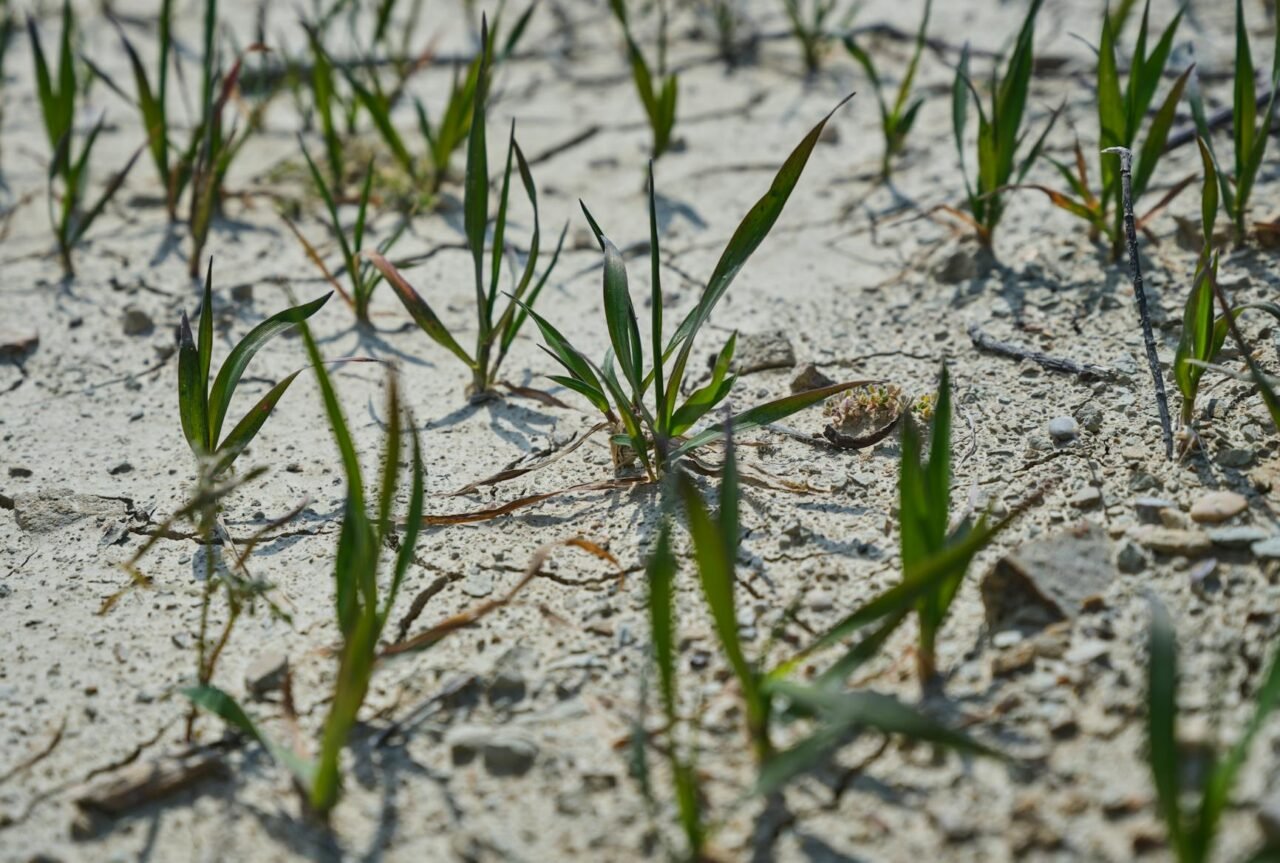
Match water to sunlight and soil. Full sun beds and south-facing slopes need significantly more water than shaded north-facing areas. Clay soils benefit from slower application rates; sandy soils need more frequent, shorter applications. If you’ve got mixed exposures, create separate zones so each area gets what it needs without overwatering another.
Small lived-in observations
On a hot July morning: edges near a driveway brown first—the extra heat from the pavement dries that strip faster than the mid-lawn.
- After a heavy afternoon storm, the first inch of soil can look wet while 6 inches down is still dry—probe before skipping an irrigation cycle.
- It’s common to see mulch darken after drip runs: that’s a good sign water is reaching the root zone rather than running off the surface.
Final practical note
Seasonal watering is a routine of adjustments: watch soil at root depth, set seasonal run-time changes, zone by plant type and exposure, and maintain hardware. Follow these steps, and you’ll get healthier plants, lower water bills, and fewer pest and disease headaches.
FAQ
How often should newly planted trees be watered in different seasons?
New trees need frequent deep soaks while their roots establish. In spring and summer, aim for a deep soak every 7–10 days in typical soils; increase to every 5–7 days in sandy soils or heat waves. In the fall, reduce watering to every 10–14 days until the ground freezes, and in winter, water only on warm, thawed days if the soil is dry; check moisture at 6–12 inches near the root zone.
Will a smart controller let me leave a sprinkler schedule unchanged year-round?
No. Smart controllers adjust for weather but won’t fix mechanical problems like clogged heads, poor nozzle selection, or incorrect zone grouping. Use smart control for seasonal percentage updates, then perform periodic maintenance and ensure zones match plant types.
What’s the best way to prevent runoff on compacted clay?
Use cycle-and-soak: split the total application into 2–3 short cycles separated by 30–60 minutes to allow infiltration. Lower application rates with rotary nozzles or pressure regulators, and aerate compacted turf annually to improve long-term infiltration.
How do I choose between a drip and a sprinkler for mixed plantings?
Match the system to plant needs: drip for beds, hedges, and trees because it targets roots and reduces evaporation; sprinklers for turf for uniform surface coverage. If budget allows, separate turf and beds into different zones so each can run on its own schedule.
When should I increase run-times because of ET rather than temperature alone?
Increase run-times when days lengthen, humidity drops, and wind increases—conditions that raise ET even if daily highs aren’t extreme. Many municipal resources and controllers provide ET or weather data to help you scale run-times accurately.
Read Next: How Weather Changes Affect Plant Growth
Read Next: Soil Care Through the Seasons: What to Add and When
Read Next: How to Build a Simple Compost Bin at Home