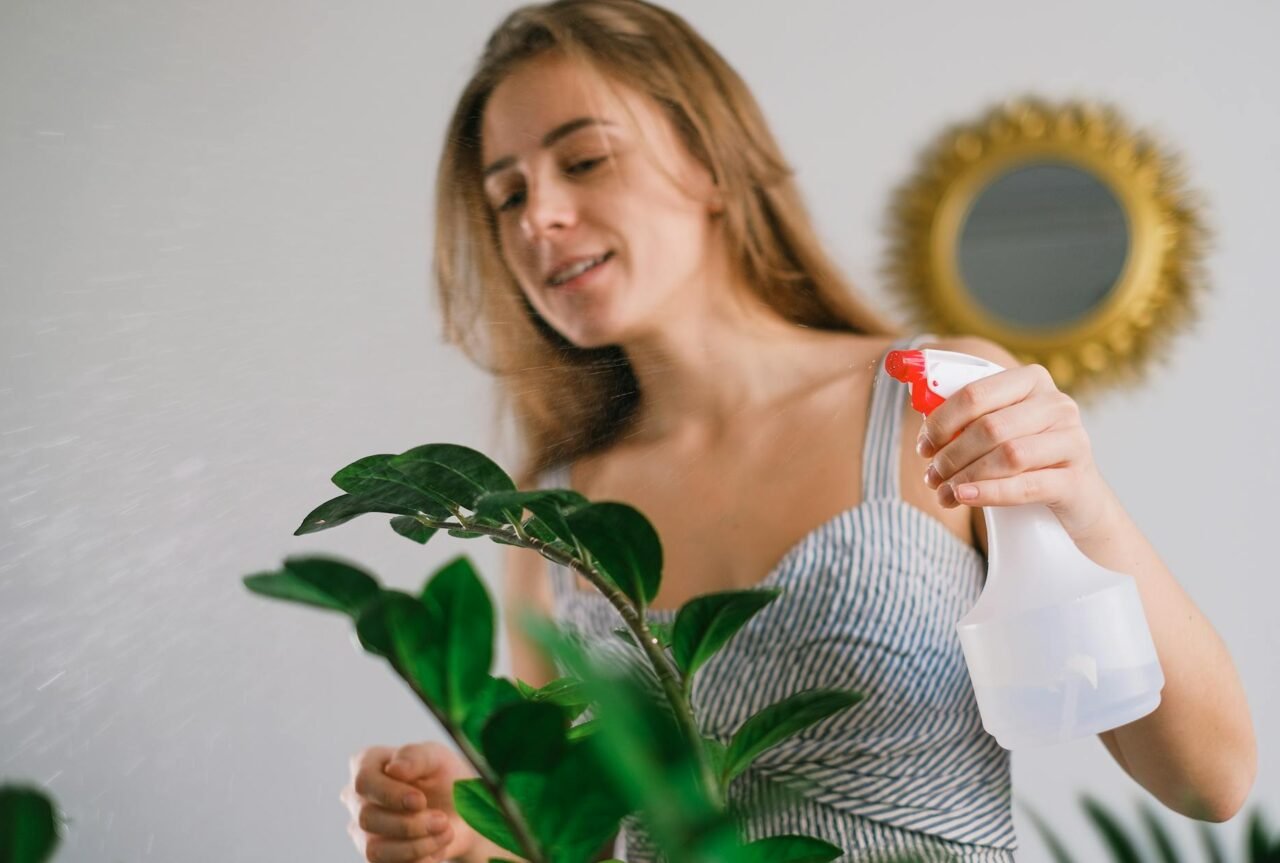
Summer separates resilient planting from a lawn of regrets. Long, hot days, intense sun, and intermittent downpours push plants fast—either toward robust flowering and fruiting or into heat stress, scorched foliage, and pest outbreaks.
A clear routine balances light, water, and soil so roots stay cool, nutrients remain available, and crops or ornamentals keep producing steadily rather than peaking then collapsing.
The right routine also reduces reactive work: fewer emergency waterings, less fungal spray, and a steadier harvest.
Map the sun and placement precisely
Start by recording sun exposure across the day. Note where direct sun falls between 09:00–17:00 and how long each spot stays bright. Glass magnifies heat—windows that were fine in spring often scorch plants by June.
How to decide where to place plants?
- Full sun (6–8 hours): tomatoes, peppers, and many salvias. Outdoors, keep them in open sites; indoors, place near south or west windows but avoid heavy curtains that trap heat.
- Partial sun/part shade (3–6 hours): many perennials and most houseplants. Move pots a few feet back from the brightest window or give them afternoon shade.
- Shade-tolerant (less than 3 hours): ferns and many begonias. Use sheer curtains or north-facing spots to prevent leaf scorch.
If leaves curl or brown at the edges, shift to a softer light or add temporary shade cloth (30–50% density) outdoors to cut intensity without shutting airflow. You’ll feel at home if you check placement after a heatwave—small moves often stop major damage.
Watering strategy: deep, measured, and timed
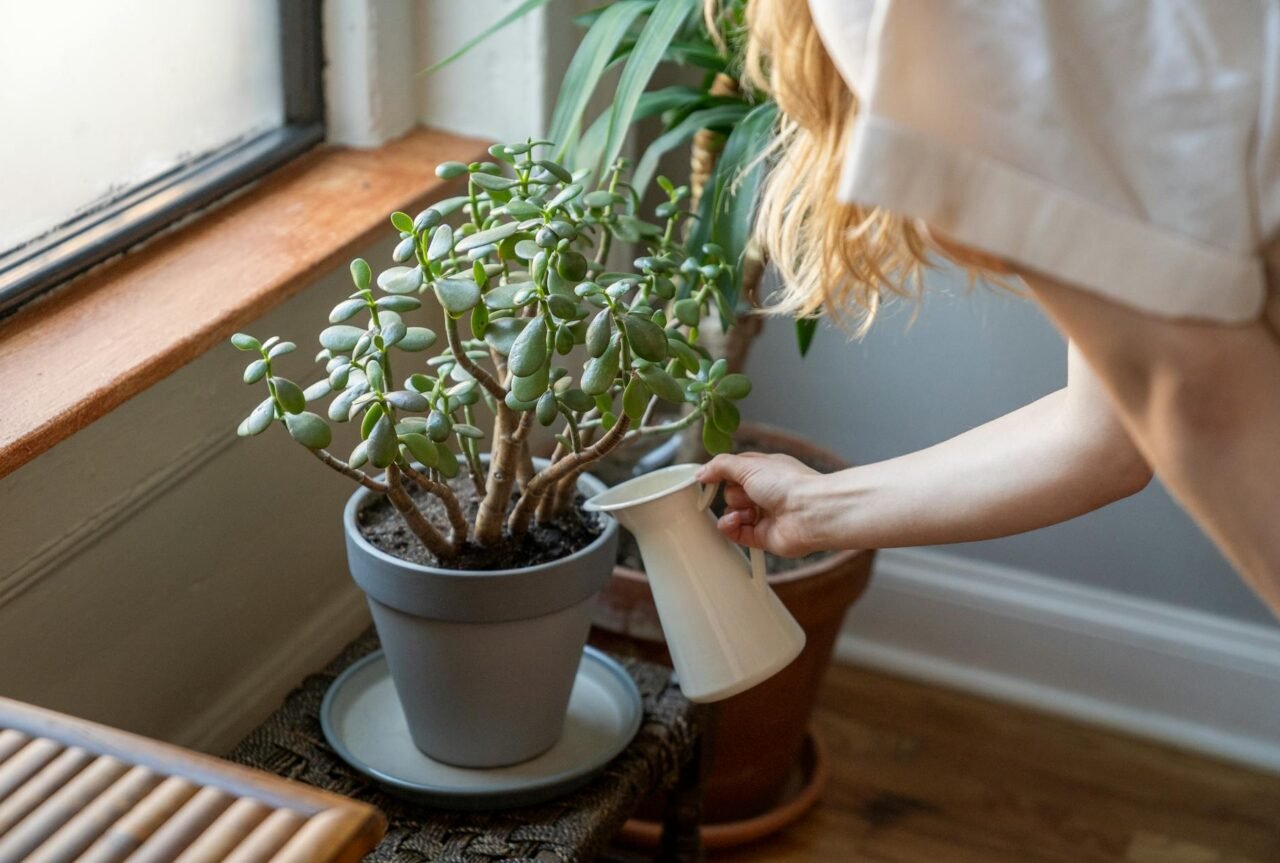
In summer, aim for deeper, less frequent watering to develop strong roots. Surface wetting promotes shallow roots that fail when a heat spike arrives.
Ground beds, containers, and vegetables: how they differ?
- Ground beds: water to 20–30 cm for established perennials and shrubs. Use a trowel or probe to verify. Early-morning irrigation between05:30 08:30 reduces evaporation and disease risk.
- Containers: soils dry faster. Soak until water runs from drainage holes; let the top 2–3 cm dry between sessions. Small pots may need daily water in heat; large tubs often every 2–3 days.
- Vegetables: consistent moisture is critical for tomatoes and peppers—deep watering plus mulch reduces blossom end rot and fruit cracking.
Timing nuance: late-afternoon waterings can leave foliage wet overnight and raise fungal risk—use them only if morning watering is impossible. If using timers, program 2–3 short cycles spaced 30–60 minutes apart in the morning to wet the profile evenly without runoff.
Soil health, mulching, and feeding that actually work in heat
Hot weather speeds nutrient uptake and microbial action, so soils can be depleted quickly. Mulch and appropriate feeding preserve moisture and a steady nutrient supply.
- Mulch: 5–7 cm of organic mulch (bark chips, well-rotted straw, or composted leaf) suppresses weeds and keeps soil cooler. Top up when you see bare spots, but leave a small gap at stem bases.
- Fertilizer: for flowering annuals and vegetables, use a balanced, water-soluble feed every 2–4 weeks or a slow-release product at planting that lasts 8–12 weeks. Skip heavy nitrogen during extreme heat; it pushes soft growth prone to sun damage.
- Soil structure: if beds are compact, fork in 2–4 cm of compost on the surface where roots are close. Avoid deep digging near roots in heat; surface dressing preserves soil life.
Trade-offs: fresh wood chips against a trunk can temporarily lock up nitrogen; too little mulch leaves soil temperature swings, too much can suffocate crowns. Decide based on plant type and root depth.
Pruning, deadheading, and harvesting to keep plants productive
Summer pruning is selective. The goal is resource efficiency—remove spent blooms and diseased growth without provoking a tender flush during the hottest weeks.
- Deadhead annuals weekly to prolong flowering.
- Light pruning: remove up to 10–20% of growth on shrubs or perennials; delay hard pruning until autumn or spring for most species.
- Harvest vegetables frequently—beans, cucumbers, and lettuce produce more if picked regularly. Overripe vegetables invite slugs and diseases.
What people miss: heavy cuts during heat reduce shade for roots and increase stress. Prune on cooler mornings and water well afterward. Small, steady grooming beats a dramatic summer haircut every time.
Pest and disease prevention that saves work later
Warm, still conditions favor pests and fungi. Weekly inspections and cultural controls outperform broad chemical approaches long-term.
Practical monitoring and targeted responses
- Inspect weekly: check undersides of leaves for eggs and sticky residue; use yellow sticky traps for early warnings.
- Spacing: maintain airflow—leave 10–30 cm between plants, depending on mature size, to reduce humidity pockets.
- Sanitation: remove fallen debris and diseased leaves promptly. Do not compost infected material unless your compost reaches high heat.
- Treatments: choose insecticidal soaps for soft-bodied insects, neem oil for mixed pressure, and sulfur or copper as last-resort fungicides; avoid spraying in full sun or above 30 °C to prevent leaf burn.
A common observation is that aphid outbreaks often follow a heavy nitrogen feed—soft, lush growth attracts pests. Skip aggressive feeding during hot spells and introduce predators or spot-treat instead.
Seasonal timing and end-of-summer transition
As days shorten, shift focus from leaf growth to root strength and bud set. Timing the changeover preserves flowering and reduces winter losses.
- Feed less nitrogen from late July to August in temperate areas to encourage buds and roots rather than leafy growth.
- Know your frost window: in cooler climates, plan tender annuals and late sowings to finish before the first expected frost. Consult local frost averages for specific dates.
- End-of-summer tasks: clear finished crops, cut back spent annuals, and mulch fresh plantings to insulate roots ahead of cooler nights.
Scenario example: a small urban grower with a mix of beds and balcony pots waters beds deeply every 3–4 days while checking balcony containers daily; late July, they switch from a high-nitrogen feed to a balanced feed to help late fruit set and reduce tender foliage.
Common mistakes
Watering at the first sign of wilt: heat wilt can be recovery of turgor if evening cooling follows—check soil depth before adding water. If the upper 5 cm is dry but the deeper soil is moist, delay watering.
- Heavy feeding during heat waves: this produces soft tissue vulnerable to sunburn and pests; reduce or dilute feeds in hot stretches.
- Neglecting container behavior: small pots can need daily water—consider self-watering inserts or larger pots to reduce daily chores.
- Ignoring microclimates: a west-facing balcony is often several degrees hotter than a shaded lawn; adapt placement and water frequency accordingly.
Experience-based observations and small details that matter

The morning you water, you’ll notice the difference: soil that holds cool moisture beneath a dry surface is a reliable sign of healthy structure.
- Shade fixes are often simple: a length of 30–50% shade cloth clipped to a frame cuts leaf scorch without making plants sulky.
- Salt buildup shows as white crust and brown leaf edges even when the soil is moist; monthly flushes with extra water help, and rainwater is worth collecting for sensitive species.
A common observation gardeners share: a single week of neglect in a heatwave can undo months of good work—small, consistent checks are worth it when you want steady results.
FAQ
How often should I water a potted tomato in summer?
Small pots often need daily watering in heat; larger containers (20–30 litres) typically every 2–3 days. Test by feeling the top 2–3 cm and probing 5–10 cm down—if lower levels are still moist, wait. Always water early in the morning and soak until runoff to encourage deep roots.
Can I fertilize during a heat wave?
Skip heavy, nitrogen-rich feeds during extreme heat. Soft new growth from strong feeds is prone to sunburn and pests. If you must feed, dilute the solution and apply it in the evening or wait for cooler weather.
What’s the best mulch that doesn’t invite slugs?
Composted bark and well-rotted leaf mould hold moisture without creating a slug habitat. Avoid fresh, wet straw piled thickly; if slugs are a problem, use coarser bark and keep a 2–3 cm clear area around stems. For vegetable rows, consider plastic mulch with slug barriers, but weigh environmental trade-offs.
How do I reduce fungal disease after heavy summer rain?
Prune crowded stems to increase airflow, remove infected leaves promptly, and avoid overhead watering when wet conditions persist. Apply targeted fungicides only in dry, cooler periods and follow label guidance to reduce resistance risk.
Practical example: a mixed bed and balcony plan (concrete context)
A6 ×2 m mixed bed with tomatoes, courgettes, and perennials beside a row of 8 balcony pots holding herbs and a dwarf tomato can be managed by watering beds deeply every 3–4 days with a drip line set for morning cycles; check balcony pots each morning and hand-water until drainage.
Mulch the bed with 6 cm bark; leave herbs in pots unmulched to avoid sogginess. In late July, switch to a balanced feed for the fruiting plants while cutting nitrogen for ornamentals to promote bud set.
Decision factors: bed depth and soil texture affect watering depth; container volume dictates frequency. If you rent a balcony, choose larger containers and self-watering inserts to reduce daily checks.
Final practical takeaways
Keep routines simple: map light, water deeply and early, mulch to conserve moisture and inspect weekly for pests. Adjust feeding and pruning as the season shifts toward autumn and plan plantings around local frost dates. Consistent, small actions produce steady flowering and harvests—and save far more time than last-minute fixes after a heat spike.
Read Next: Seasonal Watering Guide: When to Water More or Less
Read Next: How Weather Changes Affect Plant Growth
Read Next: Soil Care Through the Seasons: What to Add and When