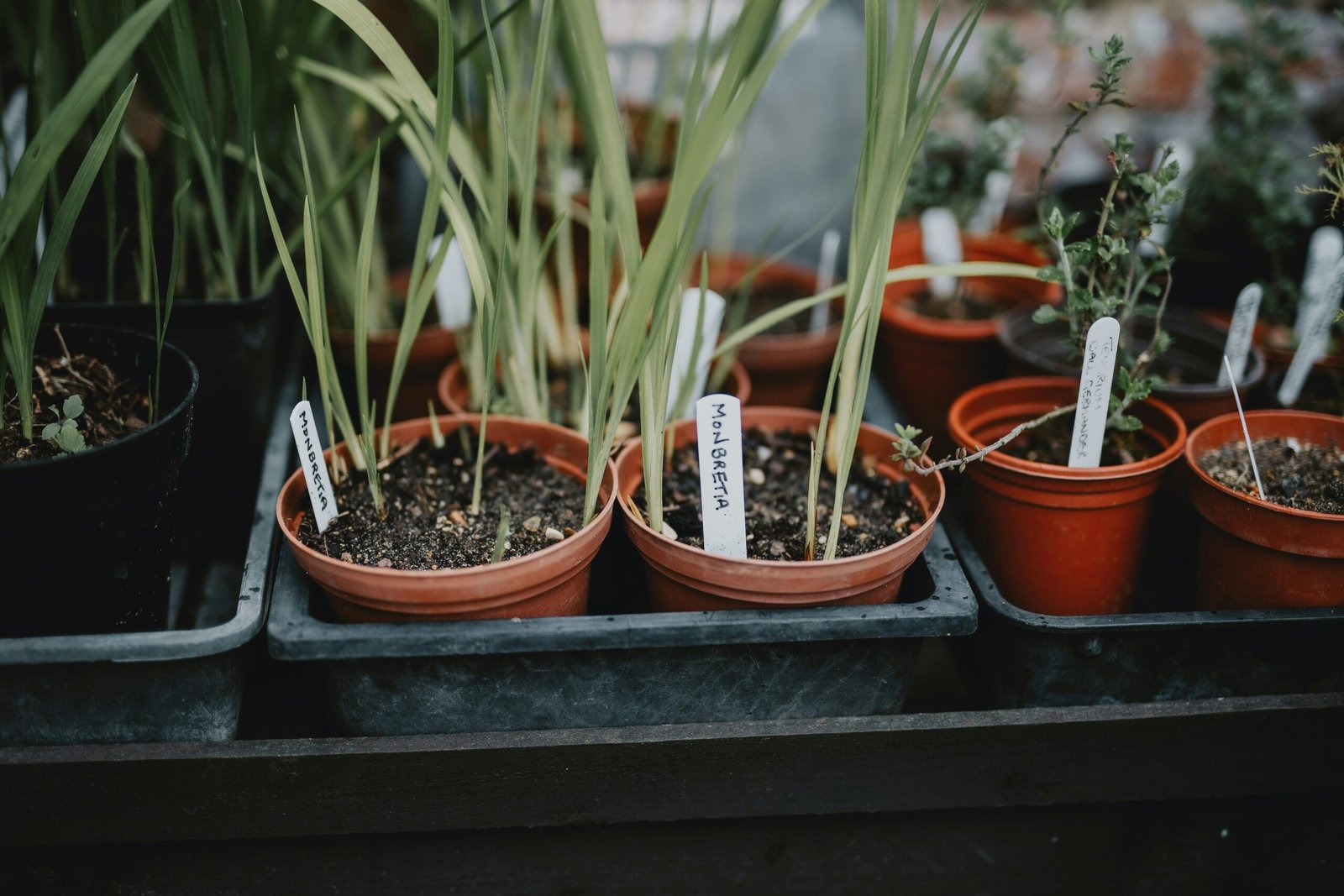
Container gardening has an intriguing quality: it is infallible. Acquire a pot, fill it with soil, and introduce a plant. Three steps. What could go awry?
Everything is indeed the case. I have lost more container plants than I would like to acknowledge, tomatoes wilting in August, and rosemary that became nothing but brown twigs.
These petunias flourished for a mere two weeks before completely fading away. Every setback provided insight into the disparity between the principles of container gardening and the experience of a plant striving to thrive in a pot.
This outlines the issues that arise, the reasons behind them, and the solutions to address them.
The Pot Itself: Size, Material, and the Lies We Tell Ourselves About Drainage
The majority of container issues originate from the time you selected the pot, not due to your choice of an unattractive option, but because you placed appearance above all other considerations.
The Size Trap
The mistake: Using pots that are too small for what you’re trying to grow.
Why it happens: That 6-inch terra-cotta pot looks perfect on the balcony railing. A single tomato seedling fits in it nicely. The label says “determinate variety, suitable for containers.” Seems fine.
The reality: Three weeks later, that tomato is wilting twice a day. You’re watering morning and evening, but it still looks miserable. The roots have filled every millimeter of that pot, and the soil can’t hold enough moisture to get through a warm afternoon.
Here’s a hard rule I learned from killing six tomato plants in one season: the pot size determines the plant’s potential. Not the plant’s survival, it will live, technically. But it will never thrive.
For vegetables and most flowering annuals, bigger genuinely is better:
- 5-gallon minimum for tomatoes, peppers, and eggplants.
- 3-gallon minimum for herbs like rosemary or large basil plants.
- 12-inch diameter for petunias, geraniums, or mixed plantings.
The trade-off? Weight and cost. A 5-gallon pot filled with moist soil weighs 40-50 pounds. If you’re gardening on a second-floor balcony, that matters. Large pots also cost more upfront. But here’s the thing: one 5-gallon pot planted with a single tomato will out-produce three 2-gallon pots with three tomatoes, while requiring less water and attention.
The Drainage Deception
The mistake: Believing “drainage material” at the bottom of the pot solves drainage problems.
The myth: A layer of gravel, pot shards, or packing peanuts at the bottom of a pot improves drainage.
The reality: This might be the most persistent myth in container gardening. Water doesn’t move easily from fine-textured potting soil into a coarse gravel layer. It hits that interface and stops, creating a perched water table. The roots sitting just above that gravel layer stay wet. Rot follows.
What actually happens in pots with “drainage layers”:
| Layer Type | Actual Effect |
|---|---|
| Gravel/rocks | Raises the water table, reduces root space |
| Pot shards | Same problem, plus sharp edges can damage roots |
| Packing peanuts | Can compress over time, settle unevenly |
What works instead: One large drainage hole (or several small ones) covered with a piece of window screen or a coffee filter. That’s it. The screen keeps soil from washing out while letting water escape freely. The entire pot becomes the root zone.
If you’re worried about soil loss, use a coarser potting mix, not a drainage layer. More on that in a moment.
Material Matters More Than You Think
Different pot materials create completely different growing environments. After a decade of container gardening, I’ve learned to match the material to the plant and the location:
Terra-cotta/Clay
- Pros: Porous, allows air exchange, classic look.
- Cons: Dries out fast, heavy, and can crack in the freeze.
- Best for: Succulents, herbs that like dry conditions, and experienced waterers.
- Avoid for: Thirsty vegetables, hot south-facing locations.
Plastic/Resin
- Pros: Retains moisture, lightweight, inexpensive.
- Cons: Can overheat dark colors, degrades in the sun over the years.
- Best for: Vegetables, moisture-loving plants, hot climates.
- Avoid for: Plants needing sharp drainage, formal settings.
Glazed Ceramic
- Pros: Moisture-retentive, decorative, and many colors.
- Cons: Heavy, expensive, and no breathability.
- Best for: Focal point plants, mixed containers.
- Avoid for: Large vegetable plantings (cost/weight).
Fabric Pots
- Pros: Excellent air pruning of roots, never overwater, fold for storage.
- Cons: Dries out daily, ugly, and can be unstable.
- Best for: Tomatoes, potatoes, starting seeds.
- Avoid for: Balconies (drainage stains), low-maintenance situations.
The fabric pot trade-off deserves special mention: they produce incredible root systems because roots hit air and stop, forcing new branching. But in summer, you’ll water daily, sometimes twice. I use them for tomatoes in full sun and accept the watering schedule as a trade-off for harvest size.
The Soil Problem: Why Garden Dirt Fails in Pots
This mistake kills more container plants than any other single factor. It’s also the easiest to fix once you understand what’s happening.
The Ground Soil Trap
The mistake: Using garden soil in containers.
What happens: You fill a beautiful pot with soil from the yard. It looks dark and rich. You water it, and the water sits on top for a while before slowly disappearing. A week later, the soil surface has formed a crust. The plant looks unhappy. Within a month, it’s struggling or dead.
The explanation: Garden soil contains fine particles—silt and clay—that pack tightly in the confined space of a pot. Air can’t circulate. Roots suffocate. Water can’t drain. The structure that works in the ground, where earthworms and freeze-thaw cycles create pore space, turns into concrete in a container.
The cost difference: A 40-pound bag of topsoil costs $2-3. A 40-quart bag of quality potting mix runs $10-15. The potting mix feels almost empty by comparison—light, fluffy, full of bark chunks and white specks. That lightness is exactly what roots need.
What Quality Potting Mix Actually Does
Professional potting mixes aren’t soil at all. They’re engineered growing media designed to:
- Drain completely within minutes of watering.
- Hold enough moisture between waterings.
- Maintain air spaces even when wet.
- Provide physical support for roots.
The ingredients matter:
Peat moss or coco coir (50-60%): Holds water and provides structure. Coco coir is more sustainable, rehydrates more easily, but contains no nutrients. Peat holds nutrients better but resists rewetting if it dries completely.
Perlite or pumice (20-30%): Those little white Styrofoam-looking bits. They create air pockets and improve drainage. More perlite = better drainage, less water retention.
Composted bark or fines (10-20%): Adds weight, provides slow organic matter, improves structure.
Lime: Balances pH, especially important with peat-based mixes.
Wetting agent: Helps the mix absorb water initially. Without it, dry peat repels water like a thatched roof.
Fertilizer starter charge: Usually minimal, enough for 2-3 weeks.
The Rewetting Nightmare
Here’s a scenario that trips up even experienced gardeners: You let a container dry out completely—maybe you went on vacation, maybe it was just hot. The plant wilts. You water thoroughly.
Water runs out of the bottom immediately. You feel satisfied. An hour later, the plant is still wilting.
What happened: The potting mix shrank when it dried, pulling away from the pot edges. Water channeled down those gaps and out the bottom, never actually wetting the root ball. The inside of the soil mass remains bone dry.
The fix: For pots that have dried completely, don’t just water from the top. Set the entire pot in a bucket or tub of water and let it soak for 30-60 minutes. The mix will rehydrate from the bottom up. For really stubborn cases, add a few drops of mild dish soap to the water—it breaks surface tension and helps penetration.
After reviving the pot, consider whether a different pot material or location might prevent this recurrence. Terra-cotta in full sun dries out faster than plastic in partial shade.
Watering: The Endless Calibration
Container watering isn’t a schedule. It’s a constant adjustment based on weather, plant growth, and potting mix age. The mistakes come from treating it like a routine.
The Scheduled Watering Fallacy
The mistake: Watering “every day” or “every three days” regardless of conditions.
Why it fails: A plant in a 12-inch pot on a south-facing patio in July loses water five times faster than the same pot on a north-facing balcony in May. The plant itself changes—a mature tomato with full foliage transpires far more than the same plant as a seedling.
The better approach: Check soil moisture manually. Stick your finger to the second knuckle. Water when it feels dry at that depth. For pots larger than 12 inches, use a moisture meter or lift the pot—it should feel significantly lighter when dry.
The exception: Some plants need more precise moisture levels. Basil wilts dramatically when dry but recovers quickly. Rosemary sulks if kept moist. You learn these through observation.
The Partial Watering Habit
The mistake: Adding a little water, just enough to wet the surface.
The result: Roots concentrate near the surface where moisture is, avoiding the lower pot volume. The plant becomes more vulnerable to any drying, and the lower root zone goes unused.
What adequate watering looks like: Apply water until it runs freely from the drainage holes. Then wait a few minutes and water again if the pot is large or the mix was very dry. This ensures the entire root zone is saturated. The excess draining out carries accumulated salts away from the roots.
When this advice changes: For succulents, cacti, and other drought-adapted plants, thorough but infrequent watering mimics their natural cycle. Water deeply, then let them dry completely before repeating.
Container Age Changes Water Needs
This is something beginners don’t anticipate: a pot of potting mix in June behaves completely differently from the same pot in August.
Fresh potting mix (0-2 months): Drains freely, holds structure, easy to rewet.
Aged potting mix (3+ months): Organic matter decomposes, structure breaks down, mix settles, and compacts. Water moves more slowly, drains less, and roots have less air.
The fix: Top-dress containers mid-season by scraping off the top inch of old mix and replacing it with fresh. For perennials overwintered in pots, repot completely every 1-2 years. The mix degrades; you can’t fix it entirely by adding fertilizer.
Plant Selection: The Container Environment Is Extreme
Plants in containers experience conditions that ground-planted specimens never face. Choosing without considering this guarantees failure.
The Microclimate Reality
A pot on a balcony or patio isn’t just “outside.” It’s a radically different environment:
Temperature: Pot sides exposed to the sun can reach 100-120°F on warm days—roots, which prefer 60-75°F, cook. Dark pots get hotter than light ones. This is why container roots often fail in August, even when watered.
Wind: Elevated containers catch more wind than ground level. Wind increases transpiration, drying plants faster and causing physical stress.
Rain shadow: Pots tucked against a house wall may never get natural rainfall, even during storms. The eaves create a dry zone.
Plant choice considerations:
- Vegetables bred for ground production often disappoint in pots. Look for “patio,” “bush,” or “determinate” varieties.
- Large, top-heavy plants blow over. Stake them early or choose compact forms.
- Plants rated for full sun in the ground may need afternoon shade in containers, especially in warm climates.
The Thriller-Filler-Spiller Trap
The ubiquitous container design advice—one tall “thriller,” round “fillers,” and trailing “spillers”—creates beautiful arrangements. It also creates watering and maintenance nightmares.
The problem: These three plant types often have completely different water and light needs. The thriller might be a drought-tolerant grass. The filler could be moisture-loving petunias. The spiller might want cool roots in one pot.
The better approach: Either use plants with genuinely similar needs, or accept that you’re creating high-maintenance arrangements that require constant attention. For beginners, single-species containers teach more about what each plant requires before you start mixing incompatible needs.
Fertilizer: Too Much, Too Little, Too Confusing
Container plants exist in a closed system. Nutrients in the initial potting mix run out within weeks. After that, everything the plant gets comes from you.
The Starvation Phase
The mistake: Assuming potting mix contains enough nutrients for the whole season.
The timeline: Most quality potting mixes include a “starter charge” of fertilizer lasting 2-4 weeks. After that, the plant depends entirely on what you add. By mid-summer, containers of heavy feeders like tomatoes or peppers show yellowing lower leaves—nitrogen deficiency from no fertilizer program.
The fix: Begin regular fertilization 3-4 weeks after planting. Options include:
Liquid fertilizer (every 1-2 weeks): Fast-acting, precise control, requires consistency. Dilute to half-strength for containers to avoid salt buildup. A 20-20-20 balanced formula works for most plants.
Slow-release granules (every 6-8 weeks): Easy, less frequent, but the release rate depends on temperature. In hot weather, they release faster than labeled. In cool weather, it’s slower.
Organic options (fish emulsion, seaweed, compost tea): Gentle, improve soil biology, but lower nutrient density and sometimes odorous.
The Salt Buildup Problem
The mistake: Fertilizing regularly but never leaching the pot.
What happens: Every time you apply synthetic fertilizer, salts accumulate in the potting mix. With no rain to flush them (containers under eaves get no natural leaching), salts concentrate. Roots burn. Leaf edges turn brown. The plant declines.
The fix: Every 4-6 weeks, water containers heavily until water runs freely from the bottom, wait 10 minutes, and water again. This flushes accumulated salts. For severely affected pots, submerge in a tub of water for 30 minutes to dissolve and dilute salts.
Visual indicator: White crust on pot rims or soil surface signals serious salt buildup.
The Overwintering Oversight
Perennials in containers face a challenge ground plants don’t: the entire root zone is exposed to winter air on all sides.
The Freeze-Thaw Cycle
In the ground, soil temperature moderates. In a pot, roots freeze completely when the air temperature drops below 26°F for several hours. Then they thaw. Then they freeze again. This cycle kills more overwintered perennials than absolute cold.
Protection methods:
Grouping pots: Creates a shared microclimate, reduces exposure.
Burying pots: Sink pots into the ground for winter if possible. The earth insulates the roots.
Mulching heavily: 4-6 inches of straw or leaves on top of the pot protects the crown.
Wrapping pots: Bubble wrap or burlap around the outside adds insulation. Not pretty, but effective.
Moving to shelter: Unheated garage or shed works if temperatures stay above 20°F and the plant gets occasional light.
The variety factor: Some plants rated for your zone in the ground will not survive in containers. If you’re attached to a particular perennial, plan to protect it or treat it as an annual and replace it each year.
Container Combinations That Work
For readers who want straightforward recommendations:
| Plant Type | Pot Size | Pot Material | Soil Mix | Watering | Fertilizer |
|---|---|---|---|---|---|
| Tomato (determinate) | 5+ gallon | Fabric or plastic | Premium vegetable mix | Daily in summer | High-phosphorus liquid every 2 weeks |
| Basil | 2+ gallon | Any with drainage | Standard potting mix | Keep moist | Balanced liquid monthly |
| Rosemary | 3+ gallon | Terra-cotta | Cactus/succulent mix | Dry between | Very little; spring only |
| Petunias | 12″ diameter | Plastic or glazed | Standard with slow-release | Daily in the heat | High-potassium weekly |
| Succulents | Any with drainage | Terra-cotta | Cactus mix with extra perlite | Soak then dry | Half-strength spring only |
| Mixed herbs | 14-16″ diameter | Any | 2/3 potting mix, 1/3 sharp sand | Varies by herb | Minimal |
The Observation Habit
The most essential skill in container gardening, beyond all the technical advice, is straightforward: observe your plants daily.
Not by using a checklist. Take a moment to observe. Observe which pots dry the quickest. Observe which plants thrive after being watered and which remain unchanged. Examine the impact of afternoon shade on wilting. Notice the first yellow leaf.
Containers quickly address issues, allowing for swift resolutions as well. A plant that is wilting at 10 AM can be brought back to life by noon with proper watering. A plant exhibiting yellow lower leaves can recover its green hue within a week of receiving fertilizer.