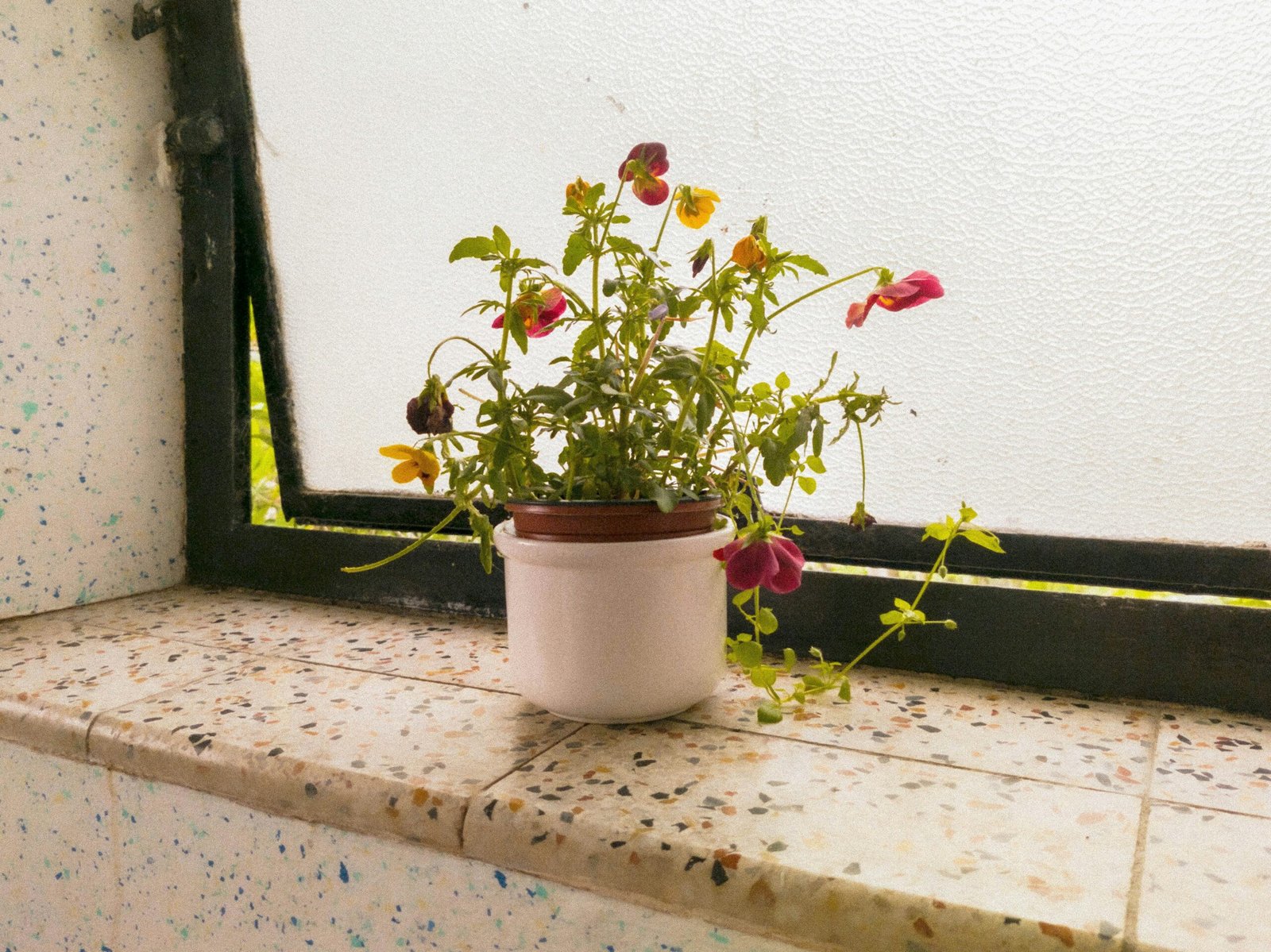
Many have found themselves gazing in despair at a wilting, yellowing houseplant or a withered patio tomato, pondering what might have gone awry.
Several years back, I embarked on my initial balcony container garden journey. I invested a significant amount of money in exquisite ceramic pots, high-quality nursery plants, and top-tier fertilizers.
In just two months, my cherished Monstera deliciosa had become a mushy mess, and my container of blueberries was reduced to dry, lifeless sticks. The experience proved to be a challenging and costly lesson in horticulture.
I chose to cease speculation and begin learning. Through years of practical testing, discussions with expert gardeners, and saving numerous struggling plants, I found that container gardening differs significantly from traditional ground planting.
Potted plants thrive within a contained, artificial ecosystem. When they pass away, it is seldom enigmatic; it typically results from a failure in one of five fundamental environmental factors.
1. The Silent Killer: Overwatering and Root Suffocation
The single most common reason container plants die is overwatering. However, the term “overwatering” is slightly misleading. Plants do not die because they have too much water; they die because they have too little oxygen.
When you saturate the soil in a pot, water fills all the microscopic air pockets (macropores) in the potting mix. Plant roots need oxygen to respire and absorb nutrients.
If the soil remains soggy for too long, the roots essentially drown, leading to a condition called hypoxia. This oxygen-deprived environment is the perfect breeding ground for Phytophthora and Pythium, the pathogens responsible for root rot.
Symptoms of Overwatering:
- Lower leaves are turning pale yellow and dropping off.
- Stems feel mushy or black near the soil line.
- Soil that smells sour or like a swamp.
- Wilting leaves despite the soil being wet.
The Situation: A client brought me a ZZ Plant (Zamioculcas zamiifolia) that was rapidly dropping yellow leaves. They assumed it was dry and kept watering it twice a week.
The Diagnosis: ZZ plants have rhizomes—thick, potato-like underground stems that store water. Watering them weekly caused severe root rot.
The Fix: I unpotted the plant, trimmed away the black, slimy roots with sterilized shears, and repotted the healthy rhizomes in a heavily aerated mix (50% perlite, 50% cactus soil). We reduced watering to once every four weeks. Within a month, new, healthy shoots emerged.
Easy Fixes for Overwatering:
- The “Weight Test”: Lift your pot after watering; it will feel heavy. Do not water again until the pot feels significantly lighter.
- Use a Chopstick: Insert a wooden chopstick deep into the soil. If it comes out with dark, moist soil clinging to it, do not water.
- Amend Your Soil: Commercial potting mixes are often too dense. Mix in 30% perlite, pumice, or orchid bark to increase aeration.
2. Poor Drainage and The “Gravel Myth.”
Closely tied to overwatering is poor drainage. A pot without drainage holes is a death sentence for 99% of plants. It acts as a teacup, pooling water at the bottom where you cannot see it.
There is a persistent myth that putting a layer of gravel or rocks at the bottom of a pot without holes will “create drainage.” This is scientifically false. According to the laws of fluid dynamics, water does not easily move from a fine-textured material (soil) to a coarse-textured material (gravel).
Instead of draining into the rocks, the water saturates the soil completely before it drips down, creating what botanists call a perched water table right at the root zone.
Symptoms of Poor Drainage:
- Water sitting on the surface of the soil for minutes after watering.
- White, crusty mineral buildup on the top of the soil.
- Fungus gnats are hovering around the plant (they breed in stagnant, wet topsoil).
Easy Fixes for Poor Drainage:
- Drill Holes: If your decorative pot lacks holes, use a masonry or diamond drill bit to add at least one large drainage hole.
- The Cachepot Method: Keep the plant in a cheap plastic nursery pot with holes (the “grow pot”). Place that plastic pot inside your decorative, hole-less pot (the “cachepot”). When it is time to water, remove the plastic pot, water it in the sink, let it drain completely, and return it to the cachepot.
- Remove the Rocks: If you have gravel at the bottom of your pots, repot the plant immediately using a uniform potting mix from top to bottom.
3. Soil Depletion and Hydrophobia
Plants in the ground can stretch their roots to find nutrients and water. Container plants are entirely dependent on what is inside their pot. Over time, two things happen to potting soil: it runs out of nutrients, and it becomes degraded.
Most commercial potting soils are peat-moss-based. When peat moss dries out completely, it becomes hydrophobic (water-repellent). If you water a severely dehydrated potted plant, the water will often shrink away from the soil, run down the inside walls of the pot, and instantly drain out the bottom.
You think you have watered the plant, but the root ball remains bone dry.
The Situation: Last summer, my container cherry tomato plant began producing blossoms with black, sunken bottoms (Blossom End Rot) and crispy, curling leaves, despite daily watering.
The Diagnosis: The soil had become hydrophobic. The water was bypassing the roots. Furthermore, the constant “flushing” of water had leached all the calcium out of the soil, causing the fruit to rot.
The Fix: I submerged the entire pot in a large tub of water for 45 minutes (bottom watering) until the peat moss rehydrated and expanded. I then applied a liquid calcium-magnesium (Cal-Mag) supplement. The subsequent tomatoes grew flawlessly.
Easy Fixes for Soil Issues:
- Bottom Watering: If your soil is pulling away from the sides of the pot, fill a basin with a few inches of water and set the pot in it. Let it soak up water from the bottom drainage holes via capillary action for 30–60 minutes.
- Annual Repotting: Replace the potting soil every 12 to 18 months to replenish the physical structure and nutrient base.
- Consistent Fertilization: Use a balanced, water-soluble fertilizer (like a 10-10-10 NPK ratio) diluted to half-strength during the active growing season.
4. Incorrect Light Exposure: Sunburn vs. Starvation
Light is plant food. Water and nutrients merely facilitate the process of photosynthesis, which requires light to generate the sugars the plant survives on.
Placing a “low light” plant in direct, baking sun will destroy its cellular structure (sunburn). Conversely, placing a high-light plant in a dark corner will slowly starve it to death (etiolation).
Symptoms of Incorrect Light:
- Too Much Light: Bleached, white, or crispy brown patches in the middle of leaves; leaves curling inward to protect themselves.
- Too Little Light: Spindly, stretched-out stems; loss of variegation (colorful leaves turning solid green); zero new growth; dropping older leaves to conserve energy.
The Situation: A friend bought a trendy Fiddle Leaf Fig (Ficus lyrata) and placed it directly against a south-facing, unshaded window in mid-July. Within three days, massive brown, papery holes appeared on the leaves.
The Diagnosis: Severe sunburn. While Fiddle Leaf Figs love bright light, greenhouse-grown plants must be slowly acclimated (hardened off) to direct sunlight.
The Fix: We moved the plant a few feet back from the window behind a sheer curtain. The scorched leaves will never heal—we pruned the worst ones off—but the new growth emerged healthy and adapted to the bright, indirect light.
Easy Fixes for Light Management:
- Understand “Bright Indirect Light”: This is what most houseplants want. It means being close to a window, but with the sun’s rays not hitting the foliage directly.
- Use a Light Meter App: Download a free lux meter app on your smartphone to objectively measure the light in different parts of your home. You will be surprised by how dark the corners actually are.
- Rotate Your Pots: Give your pots a quarter-turn every time you water them so all sides of the plant receive equal light, preventing them from leaning.
5. Temperature Fluctuations and Environmental Stress
Container plants lack the insulating blanket of the earth. Their root zones are entirely exposed to ambient temperatures. A plant sitting on a hot concrete patio can literally cook its roots. At the same time, a tropical houseplant placed near a drafty winter window or an air conditioning vent can go into shock and drop all its leaves overnight.
Easy Fixes for Temperature Stress:
- Insulate Outdoor Pots: In hot climates, use lighter-colored pots to reflect heat, or double-pot (place the growing pot inside a larger pot) to create an insulating air gap.
- Draft Check: Keep tropical houseplants (like Calatheas, Alocasias, and Monsteras) away from exterior doors, single-pane windows in winter, and HVAC vents. Aim for a stable temperature between 65°F and 80°F (18°C – 27°C).
Diagnosis & Treatment Table
To help you troubleshoot quickly, I have compiled this diagnostic table based on my own plant rehabilitation logs:
| Visible Symptom | Most Likely Cause | The Immediate Fix |
| Yellowing lower leaves + mushy base | Overwatering / Root Rot | Stop watering, check drainage, and unpot to inspect roots. Trim rot & repot in dry, airy soil. |
| Crispy, brown leaf tips/edges | Underwatering or Low Humidity | Submerge the pot to rehydrate the hydrophobic soil. Increase ambient humidity (do not just mist). |
| Leggy, weak growth + leaning | Insufficient Light | Gradually move the plant closer to a light source or add an LED grow light. |
| Bleached/white spots on leaves | Sunburn | Move away from direct, harsh sunlight. Provide sheer filtering. |
| Suddenly, a massive leaf drop | Temperature Shock / Drafts | Move away from AC units, heaters, or drafty windows to a temperature-stable room. |
| Tiny webs / Sticky residue on leaves | Pests (Spider Mites / Aphids) | Isolate plant. Wipe leaves with diluted neem oil or insecticidal soap. |
Conclusion
Destroying a container plant does not reflect a personal shortcoming; it is merely an observation. Whenever a plant faces challenges, it is expressing its environmental requirements. By grasping the fundamental reasons behind plant decline, such as overwatering, inadequate drainage, nutrient-poor soil, insufficient light, and temperature stress, you move from mere speculation to genuine cultivation.
Keep in mind the essential guidelines: focus on drainage as the top priority, consistently assess soil moisture before watering, and investigate the precise light needs for the particular species you choose to bring home.