

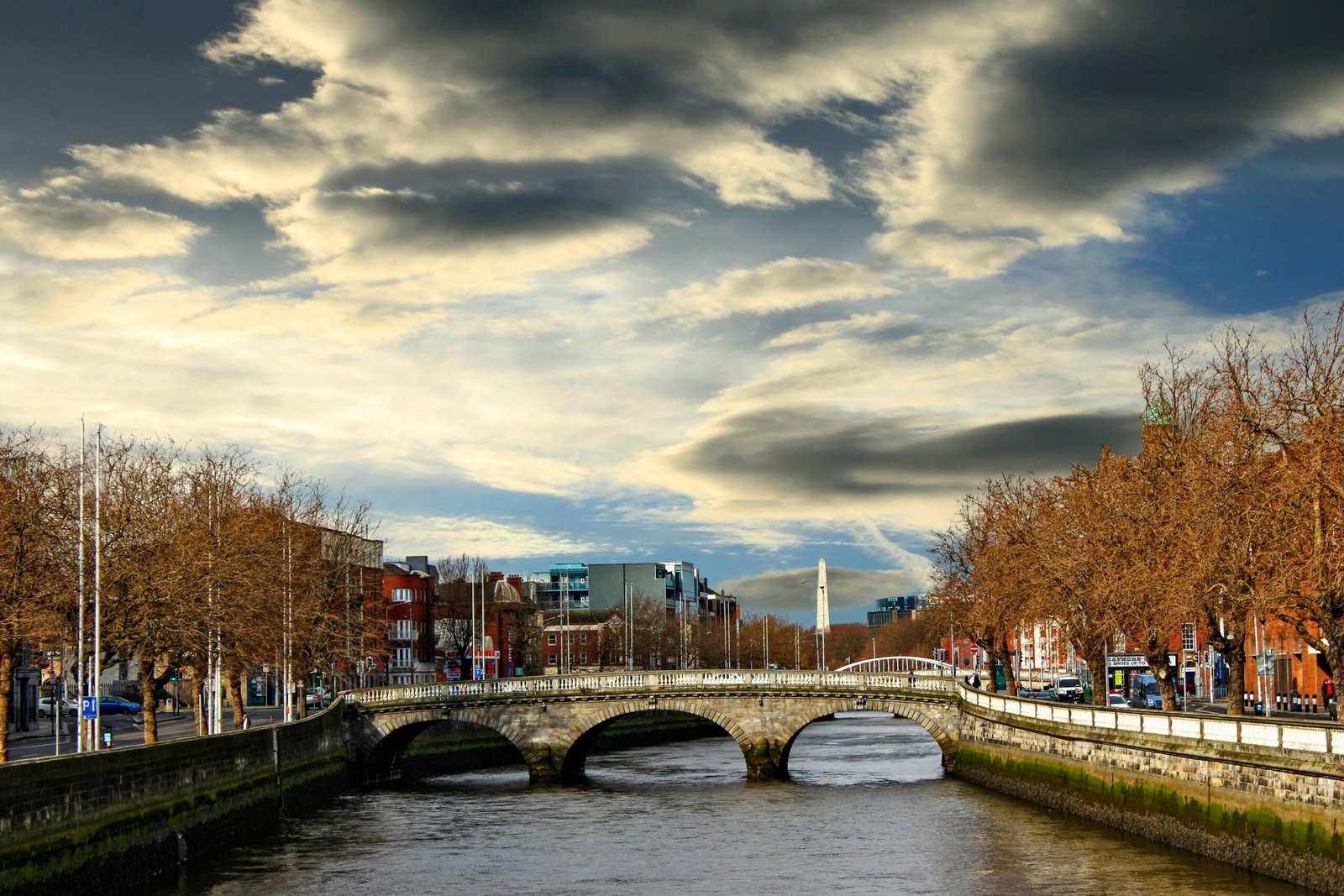
Dublin Weather Guide: Month-by-Month Temperature and Climate Patterns (2026)
If you are planning a trip to the Irish capital, understanding the Dublin Weather Guide: Month-by-Month Temperature and Climate Patterns (2026) is the first step toward a successful journey. Dublin has a maritime climate, so the city rarely experiences extreme heat or freezing temperatures. However, it is famous for its “four seasons in one day” unpredictability.
In 2026, visitors can expect mild winters and cool summers, with rainfall spread relatively evenly throughout the year. The average high temperature peaks around 19°C (66°F) in July, while the coldest nights in January hover around 3°C (37°F). Because the Atlantic Ocean influences the local environment, moisture is a constant companion, making the landscape lush and green.
Navigating this climate requires preparation and layers. This guide breaks down exactly what to expect from January through December, ensuring your itinerary stays on track despite the Irish clouds.
Understanding Dublin’s Unique Maritime Climate
Dublin sits on the east coast of Ireland, shielded somewhat by the mountains to the south and west. This geographic position makes it one of the driest parts of the country. While the West Coast catches the brunt of the Atlantic storms, Dublin enjoys a rain shadow effect.
Key Climate Features for 2026
- Variable Precipitation: You won’t often see heavy downpours, but light “mizzle” (mist-drizzle) is frequent.
- Moderate Temperatures: Extreme heatwaves or heavy snowfalls are rare occurrences in the city center.
- High Humidity: The air often feels damp, which can make cold days feel sharper and warm days feel more humid.
- Wind Factors: Coastal breezes are common, especially near the Dublin Bay area and the Docklands.
Winter in Dublin: December, January, and February
Winter in Dublin is characterized by short days and crisp, damp air. While it is the coldest time of the year, it is also a season of cozy pubs and festive lights.
January: The Heart of Winter
January is typically the coldest month in the Dublin Weather Guide: Month-by-Month Temperature and Climate Patterns (2026). Daylight is scarce, with the sun setting as early as 4:30 PM.
- Average High: 8°C (46°F)
- Average Low: 3°C (37°F)
- What to Expect: Frequent grey skies and brisk winds. Snow is rare, but frost on the ground is common in the mornings.
February: Turning the Corner
February sees a slight increase in daylight and the first signs of spring bulbs. It remains quite damp and windy as the Atlantic weather systems move across the island.
- Average High: 9°C (48°F)
- Average Low: 3°C (37°F)
- What to Expect: A mix of bright, cold mornings and sudden afternoon showers. It is a great month for indoor museum hopping.
December: Festive but Chilly
December is relatively wet and marks the start of the true winter chill. However, the city’s energy remains high due to holiday celebrations.
- Average High: 9°C (48°F)
- Average Low: 4°C (39°F)
- What to Expect: High humidity and early darkness. Waterproof footwear is essential for walking the decorated streets.
Spring in Dublin: March, April, and May
Spring is a transformative time for the city. According to data from Met Éireann, the official Irish meteorological service, spring often brings the most varied weather conditions.
March: The Month of St. Patrick
March is unpredictable. You might experience brilliant sunshine followed by a hail shower within twenty minutes.
- Average High: 11°C (52°F)
- Average Low: 4°C (39°F)
- What to Expect: Increased wind speeds and variable clouds. This is the busiest month for tourism due to the national holiday.
April: The Rise of “April Showers”
True to the cliche, April brings frequent but light showers. The city parks, such as St. Stephen’s Green, begin to bloom beautifully.
- Average High: 13°C (55°F)
- Average Low: 5°C (41°F)
- What to Expect: Longer days and a noticeable shift toward milder afternoons.
May: The Sunniest Month
Statistically, May is often one of the driest and sunniest months in the Dublin Weather Guide: Month-by-Month Temperature and Climate Patterns (2026).
- Average High: 15°C (59°F)
- Average Low: 8°C (46°F)
- What to Expect: Long evenings with sunset after 9:00 PM. This is widely considered the best month for outdoor activities and hiking in the Dublin Mountains.
Summer in Dublin: June, July, and August
Summer in Dublin is mild and pleasant. Unlike Southern Europe, you won’t encounter scorching heat, making it perfect for sightseeing without fatigue.
June: The Longest Days
June offers the most daylight, reaching nearly 17 hours on the summer solstice.
- Average High: 18°C (64°F)
- Average Low: 10°C (50°F)
- What to Expect: Mild temperatures and a low probability of heavy rain. The city’s beer gardens and outdoor markets are at their peak.
July: The Peak of Warmth
July is typically the warmest month in Dublin. It is the time when locals flock to the beaches in Howth or Dalkey.
- Average High: 20°C (68°F)
- Average Low: 12°C (54°F)
- What to Expect: Balmy evenings and occasional humidity. While it’s “warm” by Irish standards, you will still need a light jacket for the evening.
August: Fading Summer Light
August remains warm but often sees a slight increase in rainfall compared to June.
- Average High: 19°C (66°F)
- Average Low: 12°C (54°F)
- What to Expect: Soft, warm days. It is a popular time for festivals and outdoor concerts.
Autumn in Dublin: September, October, and November
Autumn brings a stunning palette of gold and rust to the city’s many wooded areas. The air turns crisp, and the wind begins to pick up.
September: The “Indian Summer” Potential
September often starts with mild, settled weather. It is a fantastic time for those who prefer fewer crowds but still want decent temperatures.
- Average High: 17°C (63°F)
- Average Low: 10°C (50°F)
- What to Expect: Cool mornings and pleasantly warm afternoons. The sea remains at its warmest temperature of the year for swimmers.
October: Wind and Folklore
October sees the return of more frequent rain and wind. As the home of Bram Stoker, Dublin embraces the spooky atmosphere of the darkening days.
- Average High: 14°C (57°F)
- Average Low: 8°C (46°F)
- What to Expect: Breezy conditions and falling leaves. The wind can make the “real feel” temperature seem much lower.
November: The Prelude to Winter
November is often one of the wettest months. The sky can remain overcast for several days.
- Average High: 11°C (52°F)
- Average Low: 5°C (41°F)
- What to Expect: Dampness and grey horizons. It is the perfect time to enjoy Dublin’s famous traditional music sessions in cozy indoor settings.
2026 Monthly Weather Data Summary
| Month | Avg High (°C) | Avg Low (°C) | Rain Days (Approx) | Daylight Hours |
|---|---|---|---|---|
| January | 8°C | 3°C | 13 | 8 |
| February | 9°C | 3°C | 10 | 10 |
| March | 11°C | 4°C | 11 | 12 |
| April | 13°C | 5°C | 10 | 14 |
| May | 15°C | 8°C | 9 | 16 |
| June | 18°C | 10°C | 9 | 17 |
| July | 20°C | 12°C | 10 | 16 |
| August | 19°C | 12°C | 11 | 15 |
| September | 17°C | 10°C | 10 | 13 |
| October | 14°C | 8°C | 12 | 11 |
| November | 11°C | 5°C | 13 | 9 |
| December | 9°C | 4°C | 13 | 7 |
What is the Best Time to Visit Dublin in 2026?
Choosing the right time depends on your priorities. If you want the best chance of dry weather, May and June are your strongest candidates. These months provide long hours of light, allowing you to explore the coast and mountains well into the evening.
For those interested in culture and events, March is unbeatable due to the St. Patrick’s Festival, though you must pack for every possible weather scenario. If you prefer a quiet, atmospheric trip, October offers a unique charm with its misty mornings and autumn foliage.
According to travel experts at Visit Dublin, the “shoulder seasons” (late spring and early autumn) provide the best balance of manageable weather and lower accommodation prices.
Critical Packing Tips for the Dublin Climate
Regardless of when you visit, your suitcase should reflect the reality of the Dublin Weather Guide: Month-by-Month Temperature and Climate Patterns (2026).
1. The Layering System
Instead of one heavy coat, wear layers. A light t-shirt, a wool sweater, and a waterproof outer shell will allow you to adapt as the temperature fluctuates throughout the day.
2. High-Quality Waterproofs
An umbrella is often useless in Dublin because the wind will flip it inside out. Invest in a breathable, hooded raincoat. This is the most practical item you can bring to Ireland.
3. Comfortable, Dry Footwear
You will do a lot of walking in Dublin. Ensure your shoes are water-resistant. Damp feet are the fastest way to ruin a sightseeing tour of Trinity College or the Guinness Storehouse.
4. Sunglasses and Sunscreen
Even in the “grey” months, the sun can be surprisingly strong when it breaks through the clouds. The coastal glare can lead to unexpected sunburn during the summer months.
How Does 2026 Weather Affect Outdoor Activities?
Dublin is a city designed for all weathers. However, certain activities are highly dependent on the climate patterns.
Coastal Walks and Hiking
If you plan to walk the Cliff Path in Howth or climb Killiney Hill, check the wind speeds. High winds can make coastal paths dangerous. Use resources like the World Meteorological Organization to track larger storm systems moving toward Ireland.
Boating and Bay Activities
Dublin Bay cruises and the DART (train) trips along the coast are best enjoyed from May to September. During winter, the sea can become quite rough, occasionally leading to cancellations of ferry services or boat tours.
Parks and Gardens
Dublin is home to Phoenix Park, one of the largest enclosed urban parks in Europe. To see the resident deer and enjoy the greenery, the mild temperatures of late spring and early summer are ideal.
Frequently Asked Questions About Dublin Weather
Does it snow in Dublin?
Snow is rare in the city center. While the nearby Wicklow Mountains often see a white cap in January and February, the city usually only experiences light sleet that melts upon hitting the ground.
Is Dublin very rainy?
Compared to the West of Ireland (like Galway or Kerry), Dublin is relatively dry. It receives about 750mm of rain per year. The rain is usually light and intermittent rather than heavy and persistent.
What is the warmest month in Dublin?
July is statistically the warmest month, with averages reaching 20°C. However, occasional “heatwaves” can push temperatures into the mid-20s, though this is not a guaranteed annual event.
Can I see the Northern Lights in Dublin in 2026?
While 2026 falls near a period of high solar activity, light pollution in the city makes it difficult to observe. You would need to travel to the dark sky areas of North County Dublin or the mountains on a very clear, cold night to have a chance.
Conclusion
Understanding the Dublin Weather Guide: Month-by-Month Temperature and Climate Patterns (2026) allows you to set realistic expectations for your trip. Dublin is a city of “soft weather”—a term locals use to describe the gentle, misty rain that keeps the island emerald green.
By packing versatile layers and a sturdy raincoat, you can enjoy the city’s historical depth and vibrant culture regardless of the weather. Whether you are basking in the 17 hours of June sunlight or tucking into a warm stew during a damp November afternoon,