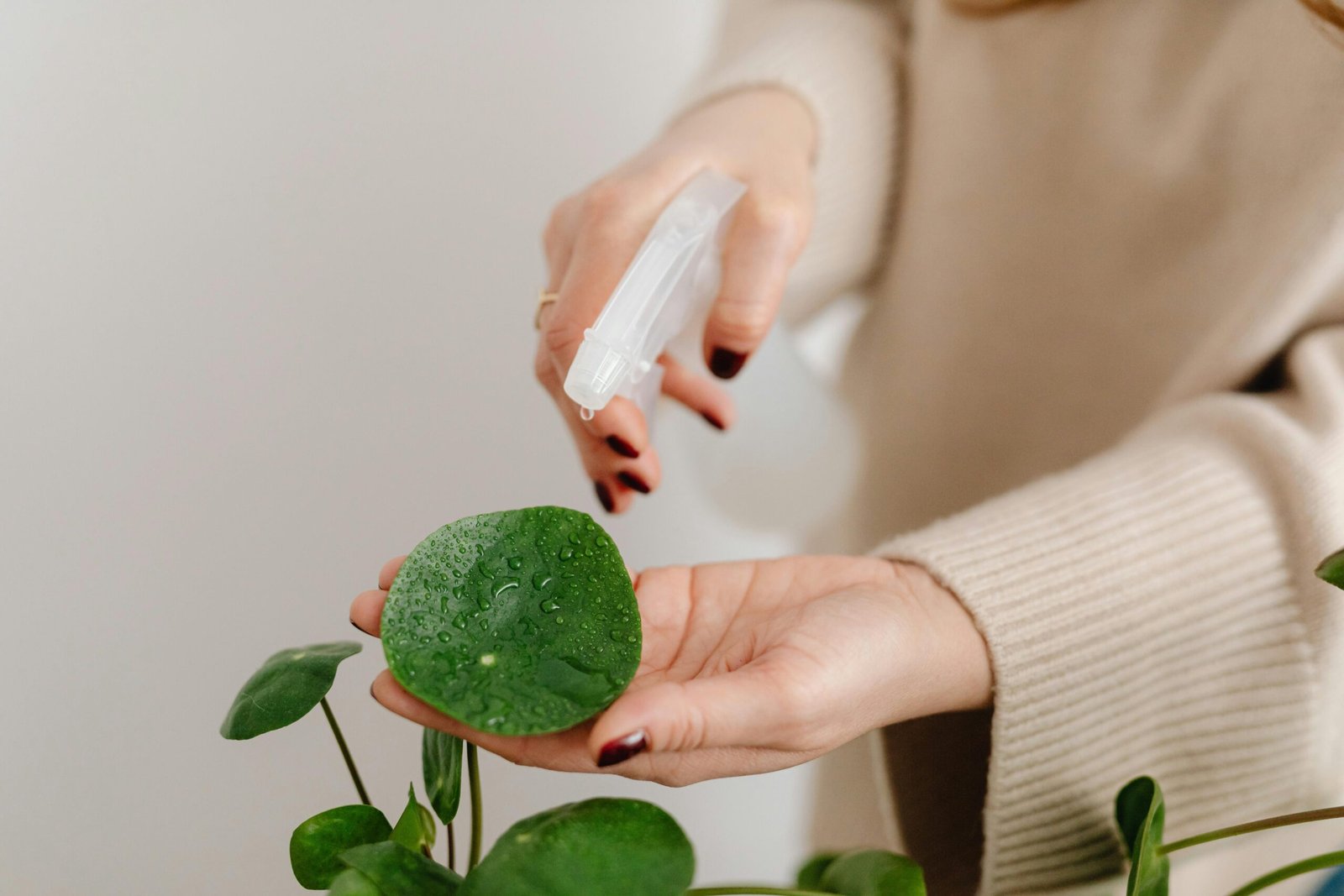
You stare at a yellowing, drooping leaf on a plant you have cared for all season. You feel that familiar knot of frustration. You followed the rules. You stood out there with the hose at 6:30 in the morning, soaking the ground just like the garden center told you to do.
Your plant looks terrible. You wonder if you gave it too much water, or too little, or if the fertilizer was wrong.
The truth is much simpler. You just watered at the wrong time.
The exact moment to water your plants has absolutely nothing to do with the clock, the sunrise, or your morning schedule. The perfect time to water is the exact moment the soil becomes dry, exactly 2 inches beneath the surface, just before the plant begins to lose its internal water pressure.
That is the answer. If the soil is dry at that 2-inch depth, you water immediately. If it is damp, you put the hose down and walk away.
Gardeners have been passing down the “water in the early morning” rule for generations. It is bad advice. The clock does not know how hot it was yesterday. The clock does not know how fast your specific soil drains. Only the dirt knows.
Why the Surface of the Soil is Lying to You?
The biggest mistake you can make is looking at the top layer of dirt and deciding your plant needs a drink. The surface of the soil dries out incredibly fast. Wind and sun bake the top half-inch of dirt into a dry crust within hours.
Meanwhile, down where the roots actually live, the soil might still be a muddy swamp.
If you water because the surface looks dry, you are stacking water on top of water. Plant roots breathe oxygen. In fact, a healthy potting mix or garden soil relies on a specific balance: roughly 70% solid material and water, and 30% empty air pockets.
When you water too frequently, you fill those vital air pockets with water. The roots suffocate, rot, and die. A plant with rotting roots cannot drink, so the leaves droop. You see the droop, assume it is thirsty, and add more water. You end up drowning a plant that was begging for air.
The Two-Inch Rule (And How to Actually Do It)
You have to ignore the surface and test the root zone. You do this with your finger.
Push your index finger straight down into the dirt up to your second knuckle. That is roughly 2 inches deep for most adults.
If your finger hits dry, dusty, hard dirt all the way down, the plant is desperately thirsty. Water it right now.
If the tip of your finger feels moist, cool, or if soil sticks to your skin when you pull it out, stop. Do not add a single drop of water. Wait 24 hours and check again.
This 2-inch depth is the magic zone. The top inch acts as a protective mulch layer, shielding the moisture below. The feeder roots—the tiny white hairs that actively pull up water and nutrients live directly below that 2-inch mark. When the soil just above them dries out, it signals that their water supply is dipping, making it the exact right moment to refill the tank.
The Container Exception: The Lift Test
If you grow plants in pots, the finger test can sometimes trick you, especially if the pot is deep. Water in a container behaves differently from water in the ground. It pools at the bottom.
For containers, the exact moment to water is determined by weight. Lift the pot right after you give it a thorough soaking. Notice how heavy it is. A plastic pot with a mature tomato plant and wet soil might weigh 15 pounds.
Check it again three days later. Tilt it to the side. If it lifts easily and feels hollow, almost like a styrofoam cooler, the water has evaporated and been consumed. That dramatic loss of weight is your signal. Water it. If the pot still fights you when you try to lift it, the bottom half of that container is holding a reservoir of water. Leave it alone.
Reading the Leaves Before the Disastrous Droop
You can also see the exact moment to water if you know what to look for. Most people wait until the plant is totally collapsed, stems bent over the side of the pot, leaves completely limp. By the time a plant does this, it has already suffered cell damage. It is in survival mode.
You want to catch the plant right before it collapses.
Look at the shine on the leaves. Healthy, fully hydrated leaves have a slight gloss to them. They reflect the sunlight. When the moisture in the soil drops below the 2-inch mark, the plant stops sweating out moisture to cool itself. The leaves lose their shine. They look dull, matte, and slightly flat.
Watch the angle of the leaves, too. A happy pepper plant holds its leaves out horizontally, like flat solar panels. When it needs water, the tips of the leaves will angle downward by just 10 or 15 degrees. They are not drooping yet, just resting slightly lower than normal.
When you see dull leaves pointing slightly downward, combined with soil that is dry 2 inches down, you have found the perfect, exact moment to water.
My Expensive Watering Disaster
I learned this lesson the hard way. A few years ago, I built three beautiful raised beds. I filled them with expensive compost and planted a dozen heirloom tomato plants. I wanted them to be perfect, so I put them on a strict schedule. Every single morning at 7:00 AM, I gave each plant exactly 1 gallon of water.
For the first two weeks, they grew rapidly. Then, in mid-July, the lower leaves turned bright yellow. The tops of the plants started to droop by mid-afternoon.
I panicked. I thought the summer heat was drying them out, so I started watering them at 7:00 AM and again at 6:00 PM. The drooping got worse. The yellowing spread up the stems. Finally, out of sheer frustration, I grabbed a shovel and dug a deep hole next to a dying plant.
The top inch of the soil was perfectly dry. But 6 inches down, the smell hit me. It smelled like a stagnant pond. The soil was a black, dripping mud pit. I had literally drowned a hundred dollars’ worth of tomatoes because I watered on a schedule instead of checking the soil.
I assumed that because the surface was baked dry by the afternoon sun, the roots were dry too. I never checked.
What Happens Underground When You Guess Wrong?
When you water before the soil is ready, you create a weak plant.
Roots are lazy. If you give a plant a light sprinkle of water every day, the roots realize they never have to work hard. They stay in the top 2 inches of the soil waiting for their daily shower.
Then, when a 95-degree heatwave hits, that top layer of soil dries out in two hours. Your plant immediately collapses because it has no deep roots to tap into the moisture stored further underground.
To build a tough, drought-resistant plant, you have to let the soil dry out. When the top 2 inches dry up, the roots are forced to dive deeper, searching for moisture. They stretch down 8, 10, or 12 inches into the earth.
When you finally do water, you must water deeply.
Deep Watering vs. Surface Sprinkling
When the exact moment arrives—when the soil is dry 2 knuckles deep and the leaves lose their shine—you must deliver enough water to reach those deep roots.
A quick 10-second spray with the hose does nothing. It barely wets the mulch.
If you are watering a raised bed or a garden plot, you need to apply at least 1 gallon of water per square foot of soil. Pour the water slowly at the base of the plant. Let it soak in. If the water starts running off the surface, stop. Wait 60 seconds for the soil to absorb it, then pour more. You want the water to penetrate 6 to 8 inches down.
If you are watering a container, you must pour water over the soil until liquid aggressively pours out of the drainage holes at the bottom. Aim for about 20% of the water you put in to run out the bottom.
This flushes out built-up fertilizer salts and guarantees the entire root ball is saturated. If you only water until the top layer is wet, the bottom half of the pot will turn into a desert, and the roots down there will turn brown and snap like dry twigs.
Adjusting for the Weather (Real Numbers)
While the 2-inch rule never changes, the frequency of how often you hit that exact moment will change drastically based on the season.
In the middle of July, with temperatures hitting 85 degrees and full sun, a mature tomato plant in a container will drain the soil completely. You will likely find the soil dry 2 inches down every single day.
In October, when the temperature drops to 65 degrees and the days get shorter, that same plant in the same pot might take 5 to 7 days to dry out.
If you kept watering every day in October just because it worked in July, you would kill the plant. The plant’s metabolism slows down in cooler weather. It drinks less. Evaporation slows down. The soil stays wet longer.
This is why watering on a schedule is dangerous. Your garden is a living system reacting to hundreds of changing variables every day. You cannot put it on a calendar.
Rain is Rarely Enough
Do not let a light summer rain trick you into skipping a watering cycle.
People often see a 15-minute rain shower and assume their garden is fine for the week. In reality, a quick summer thunderstorm barely penetrates the top half-inch of soil. The dense canopy of leaves on your plants acts like an umbrella, shedding the rain away from the roots.
After a rainstorm, go outside and do the finger test. Push your finger into the soil under the leaves. You will almost always be shocked to find bone-dry dirt just beneath the wet surface. Unless it rains steadily and heavily for over four hours, you still need to check your soil depth and water manually if the 2-inch mark is dry.
Stop trusting the clock. Stop trusting the calendar. Stop trusting the surface of the dirt.
Go to your most prized, expensive, or finicky plant right now. Push your index finger into the soil directly next to the stem, right up to your second knuckle. If you feel moisture, do absolutely nothing.