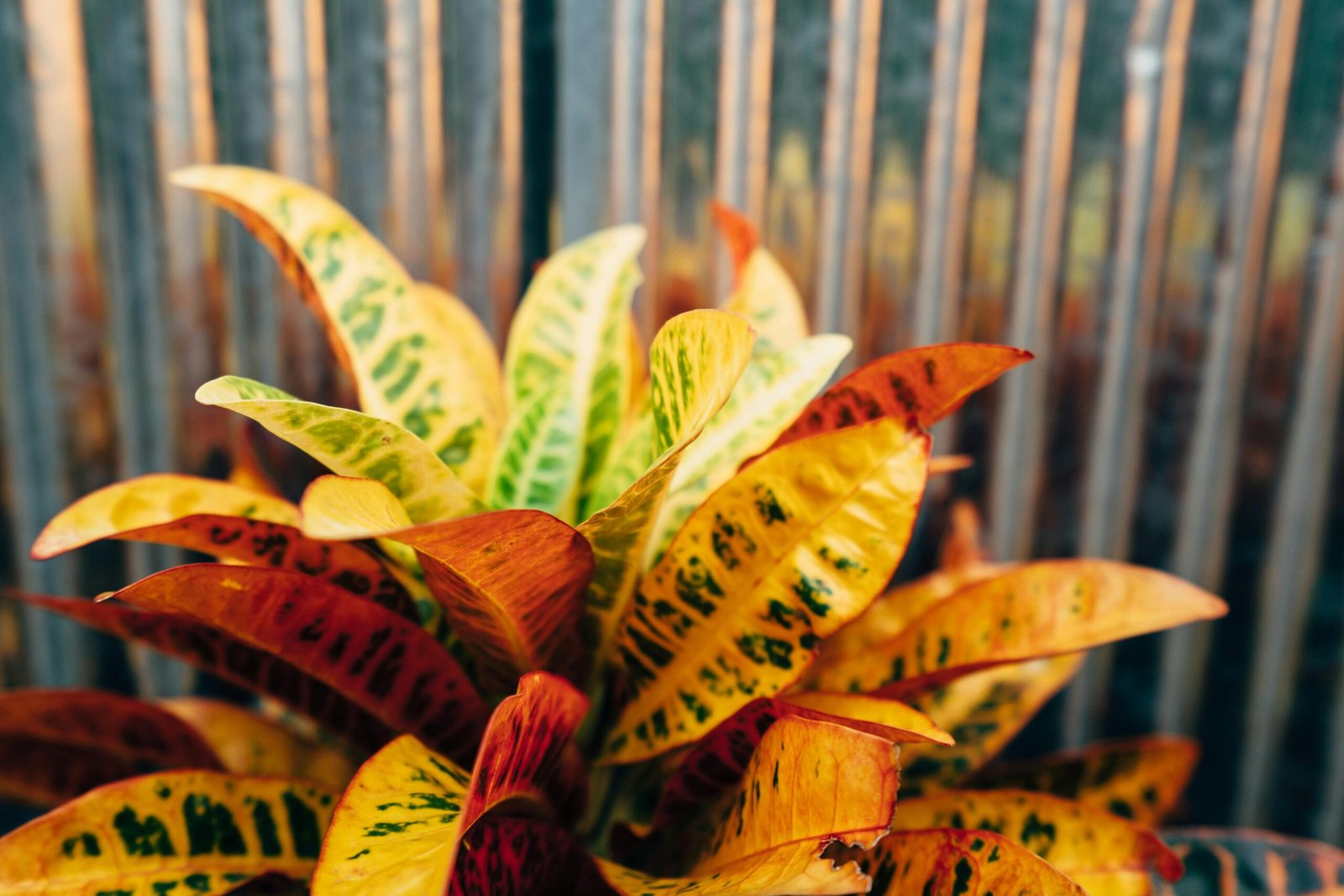
Staring at a bright, sickly yellow leaf on a plant you worked hard to grow is incredibly frustrating. You put in the time, you bought the soil, yet the plant looks like it is dying. Why is it turning yellow?
90% of the time, yellow leaves mean a watering problem, and usually, you are overwatering. The roots are suffocating in mud. To know for sure, push your index finger exactly two inches deep into the soil right now. If it feels wet and muddy, stop watering immediately. If it feels like dry dust, you are underwatering.
That simple finger test solves most yellow leaf mysteries. But what if the soil feels perfectly moist, like a wrung-out sponge? That means we have to dig deeper. A yellow leaf is not a disease itself. It is a distress signal.
Your plant is speaking to you through a process called chlorosis. Chlorosis happens when the plant stops producing chlorophyll, the green pigment that absorbs sunlight. Without chlorophyll, the natural yellow pigments inside the leaf reveal themselves.
Plants stop making chlorophyll for very specific reasons. Every paragraph from here on will help you diagnose exactly which reason is affecting your garden right now, whether you are growing vegetables in a raised bed or keeping a tropical plant alive in your living room. Let’s break down the distress signals.
The Silent Killer: Overwatering
This is the most common mistake made by every gardener. You see a plant looking slightly sad, so you give it a splash of water. You do this every two days. But roots do not just drink water; they need to breathe oxygen. When you keep the soil constantly wet, all the tiny air pockets in the dirt fill with water. The roots literally drown.
Once the roots drown, they rot and turn to black mush. A plant with rotted roots cannot absorb water or nutrients, no matter how much is in the soil. Because it is starving, the plant pulls nutrients away from its older leaves to keep the new growth alive. Those older leaves turn a pale, sickly yellow.
How to spot it: An overwatered yellow leaf feels soft, limp, and heavy. If you tap the leaf gently, it will easily detach and fall to the ground. The soil will also smell slightly sour, like a swamp.
How to fix it: Stop watering immediately. If the plant is in a pot, pull the whole root ball out of the plastic container. Let it sit naked on a stack of newspapers for 24 to 48 hours to dry out.
When you repot it, follow a strict 70/30 rule for your soil mix: 70% standard potting soil and 30% perlite. That 30% perlite guarantees the water drains fast enough that the roots will never drown again.
Going forward, only water when the top two inches of soil are completely dry. In the summer heat, this might be every 3 days. In the cool winter, it might be once every 14 days.
The Crispy Alternative: Underwatering
Underwatering causes yellow leaves, too, but the mechanism is completely different. When a plant runs completely out of water, it goes into survival mode. It deliberately sacrifices its oldest, lowest leaves to conserve water for the main stem and the new buds.
How to spot it: An underwatered yellow leaf is completely dry. The edges will be brown, crispy, and curl inward. If you crush the leaf in your hand, it crumbles like an autumn leaf. You will also notice the soil has shrunk away from the sides of the pot, leaving a visible gap.
How to fix it: Do not just pour a cup of water over the top. Dry potting soil becomes hydrophobic. It actively repels water. The water will just run down the sides of the pot and out the bottom. Instead, fill a basin or a sink with 4 inches of warm water.
Set the pot inside and let it soak from the bottom up for exactly 45 minutes. The soil will act like a sponge and pull the water up. After 45 minutes, remove it and let it drain completely.
The Nutrient Puzzle: Nitrogen, Iron, and Magnesium
If your watering schedule is perfect, but the leaves are still turning yellow, your plant is starving. Plants need three macronutrients to survive: Nitrogen, Phosphorus, and Potassium. But they also need trace minerals. Different deficiencies create distinct patterns of yellowing.
Nitrogen Deficiency (The Bottom-Up Fade)
Nitrogen is the primary fuel for green leafy growth. Nitrogen is a highly “mobile” nutrient. This means if the soil runs out of nitrogen, the plant will literally steal it from the oldest, lowest leaves and ship it up to the brand-new leaves at the top.
How to spot it: The yellowing starts at the very base of the plant. The entire leaf turns a uniform, pale greenish-yellow, including the veins. Over a week, it turns completely yellow and drops off.
How to fix it: Apply a liquid fertilizer that is high in nitrogen, like a 10-5-5 formula. Mix exactly 1 tablespoon of the liquid fertilizer into 1 gallon of water. Pour this over the soil. Because it is a liquid, the roots will absorb it immediately. You will see the yellowing stop spreading within 4 days.
Iron Deficiency (The Top-Down Fade)
Iron behaves the exact opposite of nitrogen. Iron is “immobile.” Once a plant builds a leaf with iron, it cannot pull that iron back out. So, if the soil runs out of iron, the old leaves stay perfectly dark green, but the brand-new leaves at the top grow in completely yellow.
How to spot it: The newest leaves at the very top of the plant are bright yellow, but the tiny veins running through the leaf stay dark green. This creates a striking web-like pattern.
How to fix it: You need to apply chelated iron. Mix 1 teaspoon of liquid chelated iron into 1 quart of water and spray it directly onto the leaves. The leaves will absorb the iron through their pores and turn green again within 48 hours.
Warning: Iron deficiency is often caused by soil pH being too high (above 7.5), which locks the iron in the dirt. If this keeps happening in a raised vegetable bed, test your soil pH.
Magnesium Deficiency (The Outer Edge Fade)
Magnesium sits at the very center of the chlorophyll molecule. Without it, the plant simply cannot make the color green.
How to spot it: The older leaves turn yellow, but the yellowing starts at the outer edges of the leaf and moves inward between the veins. The veins remain thick and dark green, resembling a Christmas tree pattern.
How to fix it: Epsom salts are pure magnesium sulfate. Dissolve 1 tablespoon of plain, unscented Epsom salt into 1 gallon of warm water. Water the base of the plant with this mixture. Repeat this once a month during the active growing season.
A Hard Lesson in Container Gardening
I learned the difference between these yellowing patterns the hard way. A few years ago, I was growing cherry tomatoes in large 10-gallon containers on my patio. It was early July, the weather was brutally hot, and I was watering them heavily every single morning. Suddenly, the bottom leaves turned bright yellow.
I panicked. I assumed the heavy watering had washed out all the nutrients, and the plants were starving for nitrogen. To fix it, I grabbed a strong, granular vegetable fertilizer. I dumped two heavy cups of it around the base of the stems, then watered it in deeply.
The plants were dead three days later.
The tomatoes were not starving; they were drowning. The yellow lower leaves were a clear sign of overwatering in those plastic containers. By adding a massive dose of chemical fertilizer to already rotting, damaged roots, I caused severe root burn.
The fertilizer salts essentially sucked the remaining moisture right out of the root tissue. The lesson I learned and never forgot: Never fertilize a plant that is yellowing from a moisture problem. Fix the water first. Always.
Light Shock and Temperature Drops
Plants hate sudden change. They adapt their leaves to the exact light and temperature conditions they are sitting in. If you suddenly change those conditions, they will drop leaves to conserve energy while they grow new ones.
If you buy a fern from a greenhouse where it lives under heavy shade cloths, and you bring it home and put it in a window that gets 4 hours of direct, hot afternoon sun, the leaves will scorch. They will bleach to a pale yellow or white and get crispy. Warning: Move plants into direct sun gradually. Give them 1 hour of direct sun for a few days, then 2 hours, stepping it up slowly over two weeks.
Temperature drops cause the same shock. Most vegetables and tropical houseplants want to live between 65°F and 80°F (18°C to 26°C). If you leave a pepper plant outside in a raised bed and the night temperature drops to 45°F (7°C), the plant will suffer cold shock.
The leaves will turn yellow and droop entirely. Keep a digital thermometer near your plants to ensure they are not sitting in an invisible cold draft.
Invisible Attackers: Sap-Sucking Pests
Sometimes the yellowing is not caused by water, food, or light. It is caused by thousands of tiny bugs drinking your plant’s fluids. Sap-sucking insects act like microscopic vampires, piercing the leaf tissue and drinking the green chlorophyll directly.
How to spot them: Pest yellowing does not look uniform. It looks like hundreds of tiny, yellow pinpricks or stippling all over the leaf. If you see this, immediately flip the leaf over and look closely at the underside. Look for tiny webs near the stem (spider mites), sticky, clear sap on the leaves (aphids), or small white cotton-like bumps (mealybugs).
How to fix it: Do not use harsh chemical pesticides right away. Mix up a simple spray. Put 1 quart of warm water into a spray bottle. Add 1 teaspoon of pure, cold-pressed neem oil and 3 drops of liquid dish soap.
The soap allows the oil to mix evenly with the water. Spray the top and bottom of every leaf until they are dripping wet. The oil coats the insects and smothers them. Repeat this exactly every 5 days for three weeks to break their egg-hatching cycle.
The Diagnosis Chart: A Quick Review
To make this easy when you are standing in front of your garden with a watering can, here is how you translate the plant’s language on the spot. Match what you see to this list.
Scenario A: The leaves are yellow, soft, droopy, and easily fall off. The soil is wet. Diagnosis: Overwatering and root suffocation. Let the soil dry out to two inches deep.
Scenario B: The leaves are yellow, crispy at the edges, and curling inward. The soil is pulling away from the pot. Diagnosis: Underwatering. Submerge the pot in a basin of water for 45 minutes.
Scenario C: The oldest leaves at the bottom are pale yellow all over, but the soil moisture is perfectly fine. Diagnosis: Nitrogen deficiency. Apply 1 tablespoon of liquid fertilizer per 1 gallon of water.
Scenario D: The newest leaves at the top are yellow, but the tiny veins are dark green. Diagnosis: Iron deficiency. Check soil pH and spray leaves with chelated iron.
Scenario E: The leaves have tiny yellow spots or a dusty, stippled look. Diagnosis: Pests. Spray with a neem oil and soap mixture every 5 days.
The Most Common Follow-Up Question
“Should I cut the yellow leaves off?” This is the question every gardener asks once they figure out the core problem. The answer is always yes.
Once a leaf turns completely yellow, it is never turning green again. The cellular structure is dead. Leaving it on the plant forces the plant to waste valuable energy trying to keep that dying tissue alive. Worse, decaying yellow leaves resting on damp soil act like a magnet for fungus and pests.
Take a pair of sharp, clean scissors. Wipe the blades with rubbing alcohol so you do not spread bacteria. Cut the yellow leaf off, leaving exactly 1/4 inch of the stem attached to the main branch. That tiny 1/4 inch stump will dry out and fall off naturally in a few days, protecting the main stem from an open wound.
The Reality of Normal Aging
Before you panic, you must remember that plants are living things. They shed old cells just like we do. If your plant is pushing out a lot of vigorous, bright green new growth at the top, and one single leaf at the very bottom turns yellow and dies over the course of two months, you do not have a problem.
That is just normal aging. The plant is simply recycling the energy from its oldest, least efficient solar panel to build a new one. Let it drop, throw it in the compost, and keep doing what you are doing.
Do This Right Now
Do not let your plant sit there while you guess what might be wrong. Get up, walk over to your plant, and push your index finger exactly two inches down into the soil to check the moisture level right now.