
To sell snails to local restaurants, start a commercial snail farm or obtain proper permits for wild harvesting, register your business, and directly approach restaurants that already serve escargot or French cuisine. Focus on quality, freshness, and reliable weekly deliveries of 20-80kg to build long-term contracts with higher profit margins than wholesale trading.
Key Takeaways
- Premium pricing available: Direct restaurant sales can yield 4-6 times higher profits than wholesale traders.
- Consistent demand exists: Mid-range restaurants typically need 10-50kg weekly, while hotels require 20-80kg.
- Business registration required: Proper licensing and food safety permits are essential for commercial sales.
- Quality matters most: Fresh, well-fed snails command premium prices in upscale establishments.
- Target French restaurants: Focus on establishments already serving escargot or European cuisine.
- Delivery speed wins: 24-hour harvest-to-delivery timeframes provide competitive advantages.
- Scale before selling: Ensure production capacity meets minimum weekly restaurant orders.
What Makes Restaurants Buy Snails from Local Suppliers?
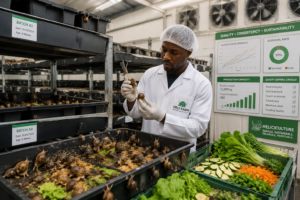
Restaurants choose local snail suppliers for three main reasons: freshness, reliability, and cost savings. Fresh snails delivered within 24 hours of harvest taste better than frozen imports. Local suppliers also eliminate middleman markups and provide consistent weekly deliveries.
The global luxury dining sector is driving mainstream adoption of snails in upscale establishments, with European and French culinary influence as a key driver. High-end restaurants pay premium prices for locally-sourced escargots because customers expect quality ingredients.
Key restaurant priorities when buying snails:
- Freshness: Live or recently harvested snails within 24-48 hours.
- Consistency: Same quality and size every delivery.
- Reliability: Weekly deliveries without delays.
- Food safety: Proper permits and clean growing conditions.
- Competitive pricing: Better rates than wholesale distributors.
Choose restaurants that already serve snail dishes if you want faster sales success. Cold-calling establishments without escargot menus requires more convincing.
How Much Money Can You Make When You Sell Snails to Local Restaurants?
Direct restaurant sales generate significantly higher profits than wholesale trading. Hotels pay ₦1,500-ₙ2,000 per kilogram versus trader rates of ₦300-₦500 per kilogram, representing 4-6 times higher profit margins.
A commercial snail farmer in New York City has seen annual sales double since 2017 by hand-delivering fresh escargots to restaurants. This demonstrates strong market viability in North American markets.
Weekly revenue potential by restaurant type:
- Three-star hotels: 20-80kg weekly at premium rates.
- Mid-range restaurants: 10-50kg weekly at standard rates.
- Fine dining establishments: 5-30kg weekly at the highest prices.
- French bistros: 15-40kg weekly at competitive rates.
Calculate your production capacity before approaching restaurants. Hotels typically require minimum weekly orders of 20-30kg, so ensure your snail farm can meet consistent demand thresholds.
Common mistake: Starting sales outreach before scaling production to meet restaurant minimums leads to lost contracts.
What Permits and Licenses Do You Need to Sell Snails to Local Restaurants?
Commercial snail sales require specific food safety permits and business registration. Selling foraged or farmed snails to restaurants requires adherence to regulations, with authorities typically mandating that snails come from clean, documented environments rather than random wild sources.
Business registration builds credibility with hotel procurement teams and demonstrates professionalism. Register your business name with the relevant corporate authorities in your jurisdiction.
Essential permits and documentation:
- Food handler’s license: Required for commercial food sales.
- Business registration: Establishes a legal entity for contracts.
- Commercial farming permits: Needed for snail production operations.
- Health department approval: Ensures food safety compliance.
- Liability insurance: Protects against product-related claims.
- Transportation permits: May be required for food delivery.
Edge case: Wild-harvested snails face stricter regulations than farm-raised snails because authorities cannot verify growing conditions and contamination risks.
Contact your local health department first to understand specific requirements in your area. Permit costs and processing times vary significantly by location.
How Do You Find Restaurants That Want to Buy Snails?
Target restaurants already serving snail dishes for the highest success rates. Check restaurant websites and social media for escargot menu items, then focus outreach on establishments with existing snail demand.
French restaurants, upscale bistros, and European cuisine establishments represent your best prospects. These restaurants already have customer bases expecting snail dishes and established supplier relationships to replace or supplement.
Restaurant identification strategies:
- Menu research: Search websites for “escargot” or “snails.”
- Social media monitoring: Look for snail dish photos on Instagram.
- Peak hour observation: Identify high-volume establishments during busy periods.
- Competitor analysis: Note which restaurants your competition supplies.
- Local food blogs: Read reviews mentioning snail dishes.
Timing matters for sales calls: Learn restaurant procurement cycles, which typically occur on Mondays and Thursdays. Avoid approaching during peak service hours.
Decision rule: Choose restaurants serving 100+ covers nightly if you want consistent large orders. Smaller establishments may only need occasional supplies.
What Quality Standards Do Restaurants Expect from Snail Suppliers?
Restaurants demand consistent size, freshness, and cleanliness from snail suppliers. Quality can be enhanced through strategic feeding practices using pawpaw leaves, watermelon rinds, and commercial snail feed to produce larger, healthier snails.
Fresh snails remain highly regarded in culinary marketplaces across Europe, Asia, and Africa, with consumers showing willingness to pay more for quality, locally-produced gourmet products.
Restaurant quality requirements:
- Size consistency: Uniform snail sizes within each delivery.
- Freshness: Live delivery or processed within 24 hours.
- Cleanliness: Free from dirt, debris, and parasites.
- Health certification: Documentation of growing conditions.
- Proper packaging: Food-grade containers with temperature control.
- Traceability: Records of harvest dates and growing methods.
Quality enhancement techniques:
- Feed snails nutrient-rich vegetables for better taste.
- Maintain clean growing environments to prevent contamination.
- Sort snails by size before delivery.
- Use proper storage temperatures during transport.
- Provide harvest date documentation with each delivery.
Common mistake: Delivering mixed sizes or poorly cleaned snails damages restaurant relationships and reduces repeat orders.
How Do You Price Your Snails Competitively for Restaurant Sales?
Research local wholesale prices first, then offer restaurants 20-30% savings compared to their current suppliers while maintaining higher margins than wholesale trading. Emphasize value propositions like 24-hour delivery and elimination of middleman markups.
Premium pricing is available through direct hotel and restaurant sales, with fresh snails commanding higher prices in international markets. Price based on quality, service, and reliability rather than competing solely on cost.
Pricing strategy framework:
- Research competitor rates: Know wholesale and direct supplier pricing.
- Calculate production costs: Include feed, labor, packaging, and delivery.
- Add reasonable markup: Target 40-60% gross margins minimum.
- Offer volume discounts: Reduce per-kg rates for larger weekly orders.
- Seasonal adjustments: Higher prices during peak dining seasons.
Pricing negotiation tips:
- Start 10-15% above your target price to allow negotiation room.
- Bundle delivery and quality guarantees into pricing.
- Offer payment terms that improve cash flow.
- Create loyalty discounts for long-term contracts.
Edge case: New restaurants may need lower introductory pricing to establish relationships, then gradually increase rates as trust builds.
What Are the Best Practices for Delivering Snails to Restaurants?

Establish reliable delivery schedules that match restaurant prep cycles, typically early morning deliveries before lunch service preparation. Consistent timing builds trust and helps restaurants plan menu preparation effectively.
Emphasizing 24-hour delivery from harvest and highlighting the elimination of middleman markups are effective value propositions when approaching restaurants.
Delivery best practices:
- Fixed schedule: Same days and times each week.
- Temperature control: Proper refrigeration during transport.
- Professional packaging: Food-grade containers with clear labeling.
- Documentation: Delivery receipts and quality certificates.
- Backup plans: Alternative delivery methods for emergencies.
- Communication: Advance notice of any schedule changes.
Delivery timing by restaurant type:
- Fine dining: Early morning before prep starts.
- Hotels: Coordinate with procurement schedules.
- Casual restaurants: Mid-morning before lunch rush.
- Bistros: Flexible timing based on chef preferences.
Quality control during delivery:
- Check the snail condition before leaving the farm.
- Monitor transport temperatures continuously.
- Inspect packaging for damage or leaks.
- Confirm restaurant receipt and satisfaction.
How Do You Build Long-Term Contracts with Restaurant Clients?
Focus on reliability and consistent quality to build long-term restaurant relationships. Restaurants value suppliers who deliver the same quality every week without surprises or delays.
Start with trial periods or smaller orders to demonstrate reliability, then negotiate longer-term contracts with volume commitments and pricing guarantees.
Contract building strategies:
- Prove reliability: Never miss deliveries during trial periods.
- Maintain quality: Consistent snail sizes and freshness every delivery.
- Flexible terms: Accommodate seasonal menu changes.
- Competitive pricing: Regular market rate reviews.
- Personal relationships: Build rapport with chefs and procurement managers.
Contract terms to negotiate:
- Volume commitments: Minimum weekly or monthly orders.
- Pricing stability: Fixed rates for 3-6 month periods.
- Payment terms: Net 30 or better for cash flow.
- Quality guarantees: Replacement policies for substandard products.
- Exclusive arrangements: Sole supplier status for premium rates.
Relationship maintenance:
- Regular check-ins with restaurant management.
- Seasonal menu planning discussions.
- Quality feedback sessions.
- Prompt resolution of any issues.
Final Thoughts
Selling snails to local restaurants offers significant profit potential through direct sales relationships that bypass wholesale middlemen. Success requires proper business registration, consistent quality standards, and reliable delivery schedules that match restaurant operational needs.
The growing demand for locally-sourced, premium ingredients in upscale dining establishments creates opportunities for dedicated snail suppliers who prioritize quality and service over low-cost competition. Start small, prove reliability, and expand systematically to build a profitable restaurant supply business.
FAQ
How much money do I need to start selling snails to restaurants?
Starting costs range from $2,000-$10,000 depending on scale, including permits, initial breeding stock, farming equipment, and delivery vehicle expenses.
Can I sell wild-caught snails to restaurants?
Most jurisdictions require commercial permits and health department approval for wild-harvested snails, with stricter regulations than farm-raised alternatives.
How long does it take to build a profitable snail supply business?
Expect 6-12 months to establish reliable restaurant contracts, with 12-18 months needed to reach full profitability, depending on local market conditions.
What size snails do restaurants prefer?
Most restaurants prefer medium to large snails (15-25g each) for escargot preparation, though specific requirements vary by establishment and menu style.
Do I need special insurance to sell snails to restaurants?
Yes, product liability insurance is recommended and often required by restaurant contracts to protect against food-related claims.
How do I handle seasonal demand fluctuations?
Diversify your customer base across different restaurant types and consider preserved or frozen products during slower periods to maintain cash flow.
What happens if a restaurant rejects a delivery?
Establish clear quality standards and replacement policies in contracts, and maintain backup customers who can accept redirected inventory.
Can I sell to restaurants without a commercial kitchen?
Requirements vary by location, but most jurisdictions allow live snail sales without commercial kitchen facilities if proper permits are obtained.
How do I compete with established snail suppliers?
Focus on superior freshness, reliability, and customer service rather than competing solely on price to differentiate your business.