
Snails can gain up to 300% more weight when fed the right combination of calcium-rich foods and high-protein vegetables compared to basic lettuce diets. Whether raising snails for food, farming, or as pets, understanding proper nutrition makes all the difference in achieving healthy, rapid growth.
Learning how to feed snails for faster weight gain requires knowing which foods provide the most nutrients and calories. The right diet can transform slow-growing snails into plump, healthy specimens in just weeks.
Key Takeaways
- Calcium is essential: Snails need calcium-rich foods like crushed eggshells and cuttlebone for shell growth and overall health.
- High-protein vegetables work best – Spinach, kale, and broccoli provide more nutrition than basic lettuce.
- Consistent feeding schedules help snails gain weight faster than random feeding times.
- Fresh foods outperform processed – Raw vegetables and natural calcium sources beat commercial snail pellets.
- Variety matters – Rotating different food types prevents nutritional gaps and keeps snails interested in eating.
Essential Foods to Feed Snails for Faster Weight Gain
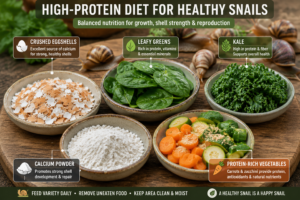
The foundation of any successful snail weight gain program starts with calcium-rich foods. Snails use calcium to build their shells and support muscle growth. Without enough calcium, snails become weak and stop gaining weight.
Top Calcium Sources for Snails
Crushed eggshells rank as the best calcium source for snails. Clean, dry eggshells and crush them into small pieces. Sprinkle the pieces over other foods or place them in a separate dish.
Cuttlebone provides another excellent calcium option. Pet stores sell cuttlebone for birds, but snails love it too. Break cuttlebone into chunks and let snails nibble on it freely.
Calcium powder offers a quick calcium boost. Dust calcium powder over fresh vegetables before serving. This method works especially well for baby snails who need extra calcium for rapid shell development.
High-Protein Vegetables for Weight Gain
Spinach contains more protein than most vegetables snails eat. Fresh spinach leaves provide iron, protein, and vitamins that support fast growth. Wash spinach thoroughly and chop it into bite-sized pieces.
Kale delivers exceptional nutrition for growing snails. This superfood vegetable contains protein, calcium, and essential vitamins. Remove thick stems and offer tender leaves for easier eating.
Broccoli gives snails both protein and fiber. Steam broccoli lightly to make it softer, or serve it raw. Snails enjoy both the florets and tender stems.
Creating the Perfect Feeding Schedule to Feed Snails for Faster Weight Gain
Timing matters when feeding snails for maximum weight gain. Consistent meal schedules help snails develop healthy eating habits and digest food properly.
Daily Feeding Routine
Evening feeding works best for most snail species. Snails are naturally more active at night, so they eat more when food arrives in the evening. Place fresh food in their habitat around sunset.
Morning cleanup prevents food from spoiling. Remove any uneaten food after 12-24 hours to keep the habitat clean and prevent harmful bacteria growth.
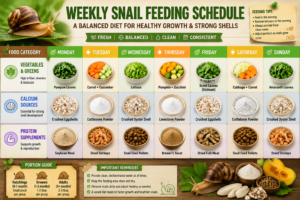
Weekly Menu Planning
Monday & Thursday: Calcium Focus
- Crushed eggshells.
- Cuttlebone pieces.
- Calcium-dusted vegetables.
Tuesday & Friday: Protein Power
- Fresh spinach.
- Chopped kale.
- Steamed broccoli.
Wednesday & Saturday: Variety Mix
- Sweet potato slices.
- Cucumber pieces.
- Carrot shavings.
Sunday: Treat Day
- Mushroom pieces.
- Apple slices (small amounts).
- Pumpkin chunks.
Portion Control for Optimal Growth
Start small and increase portions based on how much snails eat. A good rule: provide enough food that snails can finish most of it within 24 hours.
Watch for waste – Too much uneaten food means portions are too large. Reduce the amount until snails clean their plates consistently.
Monitor growth – Weigh snails weekly to track progress. Healthy snails should gain weight steadily without becoming sluggish.
Advanced Nutrition Tips for Maximum Weight Gain
Beyond basic foods, several advanced techniques can boost snail growth rates even higher.
Supplementation Strategies
Protein powder (unflavored) can be mixed with vegetables for extra protein. Use only small amounts – too much protein can harm snails.
Spirulina powder provides complete nutrition in a concentrated form. This blue-green algae contains proteins, vitamins, and minerals that support rapid growth.
Food Preparation Methods
Blanching vegetables makes tough foods easier to digest. Briefly dip vegetables in boiling water, then cool them before serving.
Mixing textures keeps snails interested in eating. Combine soft foods like bananas with crunchy options like carrots for variety.
Environmental Factors
Humidity levels affect appetite. Keep snail habitats at 80-90% humidity for optimal eating and digestion.
Temperature control impacts metabolism. Maintain temperatures between 65-75°F (18-24°C) for best growth rates.
Foods to Avoid When Trying to Feed Snails for Faster Weight Gain
Some foods can actually slow down growth or harm snails, even if they seem healthy.
Harmful Foods
Salty foods damage snail bodies and can be fatal. Avoid anything with added salt, including processed vegetables.
Citrus fruits are too acidic for most snails. Oranges, lemons, and limes can burn their soft tissues.
Onions and garlic contain compounds toxic to snails. Keep these cooking staples away from snail habitats.
Low-Nutrition Options
Iceberg lettuce provides almost no nutrition despite being a popular snail food. Choose darker, leafy greens instead.
Processed snail pellets often contain fillers and preservatives. Fresh foods deliver better nutrition for weight gain.
Monitoring Progress and Adjusting Diet Plans
Regular monitoring helps ensure feeding strategies work effectively for each snail.
Tracking Methods
Weekly weigh-ins provide concrete data on growth progress. Use a small digital scale to track weight changes over time.
Shell measurements indicate healthy development. Measure shell length and width monthly to confirm proper growth.
Activity levels reflect overall health. Active, curious snails usually eat well and gain weight consistently.
Signs of Success
Steady weight gain of 5-10% per week indicates excellent progress for growing snails.
Bright, colorful shells show good calcium absorption and overall health.
Increased appetite means snails are thriving on their current diet plan.
When to Adjust?
Slow growth may require more protein or calcium in the diet. Try adding different vegetables or increasing calcium supplementation.
Loss of appetite could signal overfeeding or environmental issues. Reduce portions and check habitat conditions.
Conclusion
Successfully feeding snails for faster weight gain requires the right combination of calcium-rich foods, high-protein vegetables, and consistent feeding schedules. Focus on nutrient-dense options like crushed eggshells, spinach, and kale while avoiding harmful foods like citrus and salt.
Start implementing these feeding strategies today by creating a weekly menu plan and establishing evening feeding routines. Monitor your snails’ progress through regular weigh-ins and adjust portions based on their appetite and growth rates.
Remember that patience and consistency produce the best results. With proper nutrition and care, snails can achieve impressive weight gain while maintaining excellent health throughout 2026 and beyond.