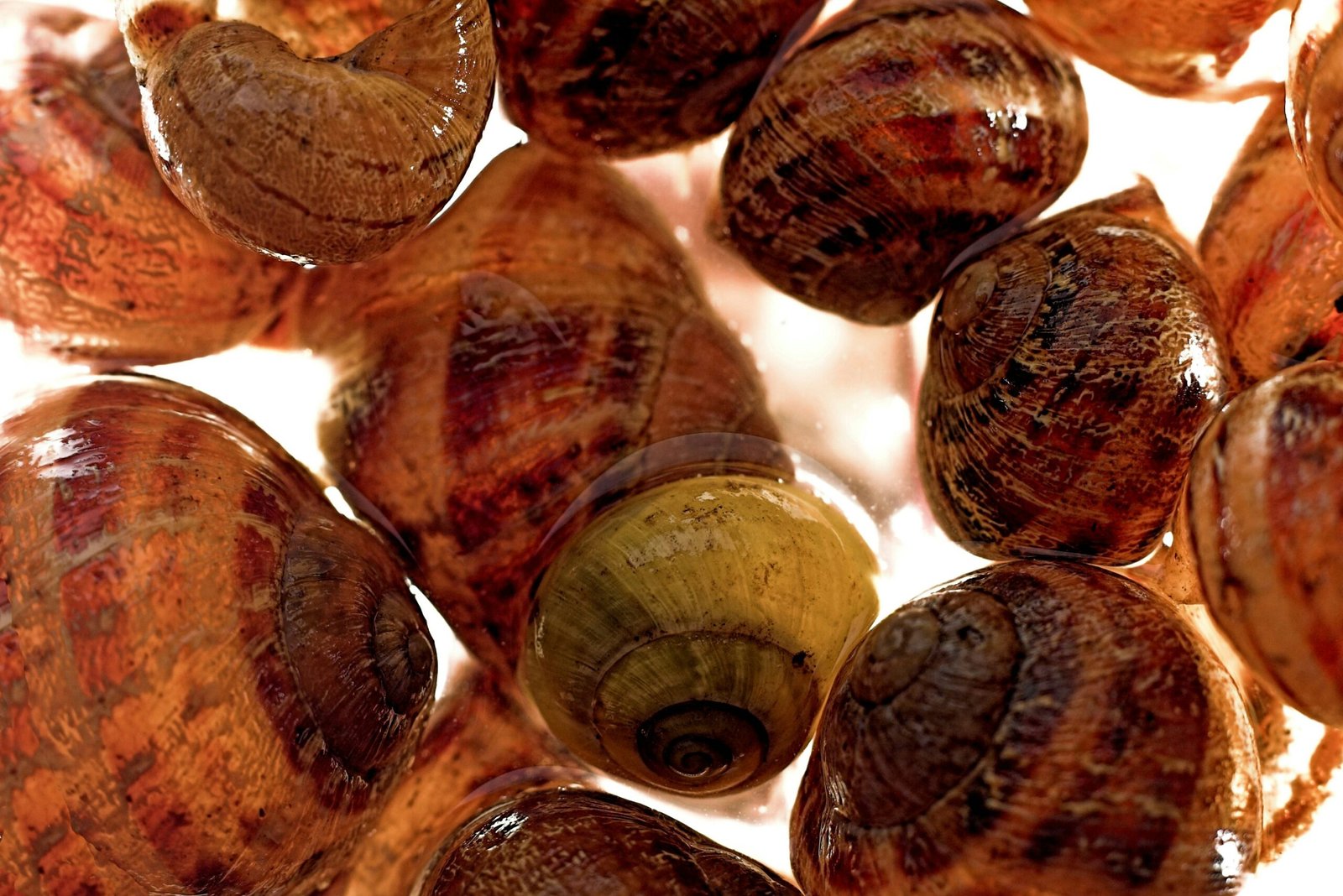
Store live snails in a ventilated container, keep them in a cool, shaded space between 10°C–18°C (50°F–64°F), withhold food for 24–48 hours before market, and maintain moderate humidity. This keeps them dormant, clean, and alive until sale.
Why Proper Snail Storage Matters Before Market?
Snails that arrive at market dead, shrunken, or smelling bad lose their entire sale value—buyers — whether restaurants, retailers, or individual customers — inspect snails carefully. One bad batch damages your reputation fast.
Proper pre-market storage does three things:
- Keeps snails alive and healthy during transport.
- Reduces waste and financial loss.
- Ensures the snails are clean, purged, and ready to cook or sell.
The difference between a profitable market day and a failed one often comes down to the 48–72 hours before you leave.
How Long Before Market Day Should You Prepare Snails?
Start the storage and purging process 48 to 72 hours before market day. This window gives you enough time to:
- Purge the digestive system (starve them slightly).
- Remove any dead or damaged snails.
- Allow them to enter a calm, dormant state.
- Clean and inspect them.
Do not attempt same-day preparation. Snails stressed right before the market arrives in bad condition.
Fasting: The Most Important Step
Stop feeding snails 24–48 hours before market. This is called purging or fasting, and it clears waste from their digestive tract.
Why does it matter?
- Reduces bad odour during transport and sale.
- Prevents slime and waste buildup in the container.
- Makes the snails more appealing to buyers and chefs.
- Improves the eating quality for end consumers.
According to the Food and Agriculture Organisation (FAO), fasting snails before processing or sale is a standard practice in commercial heliculture (snail farming) globally.
Do not fast them longer than 48 hours without water access, or they begin to dehydrate and die.
The Right Container for Storing Snails Before Market
Use a Ventilated Crate or Box
The container matters more than most farmers realise. Use:
- Wooden crates with slat gaps — allow airflow and moisture regulation.
- Plastic mesh crates — easy to clean and stackable.
- Net bags or woven sacks — common in West African markets, breathable and lightweight.
Avoid sealed plastic bags, airtight bins, or any container that traps heat and moisture. Snails suffocate and die quickly without airflow.
Container Size and Density
Do not overpack. Crowding causes:
- Physical damage to shells.
- Overheating inside the container.
- Faster die-off from stress and lack of oxygen.
A density of 2–3 kg of snails per 10 litres of container space is a safe general rule for short-term pre-market storage.
Ideal Temperature Range for Pre-Market Snail Storage
Snails are cold-blooded and go naturally dormant in cooler temperatures. This is exactly what you want before the market.
Target temperature: 10°C to 18°C (50°F to 64°F)
- Below 5°C: risk of cold stress and death.
- Above 25°C: snails become active, stressed, and dehydrated quickly.
- 10°C–18°C: snails stay calm, use minimal energy, and survive longer.
Store containers in:
- A cool, shaded room or storage shed.
- A cellar or underground room, if available.
- A cool garage away from direct sunlight.
In hot climates, this is the hardest part. If ambient temperature regularly exceeds 28°C, consider a cooled room or pre-dawn transport to prevent losses. Research published via IITA (International Institute of Tropical Agriculture) confirms that temperature management is the primary variable in live snail survival rates post-harvest.
Managing Humidity: Not Too Wet, Not Too Dry
Snails need moisture to survive, but too much water encourages bacteria and disease. Too little, and they dry out and permanently retract into their shells.
Aim for 70–85% relative humidity inside the storage area.
Practical ways to maintain humidity:
- Place a damp cloth or a moist paper layer at the bottom of the container.
- Lightly mist the snails (do not soak them) once or twice a day.
- Avoid placing containers on concrete in dry heat — use wooden pallets or shelves.
If snails are retracting deeply into their shells and sealing with mucus, they are too dry. If you see excessive slime pooling and shells smelling sour, it is too wet.
How to Inspect Snails Before Packing for Market?
Before loading snails for market, do a full inspection. Remove:
- Dead snails smell strongly, attract flies, and contaminate others.
- Cracked or broken shells — snails cannot survive long with damaged shells.
- Inactive snails that don’t respond — tap the shell gently; if no movement after several minutes, discard.
A dead snail left among live ones can cause a chain die-off through bacterial spread. Sort carefully.
To check if a snail is alive: place it in shallow warm water. A live snail will begin to emerge within a few minutes.
Transport to Market: Final 12 Hours
The last leg — getting snails to market — is where most losses happen if done poorly.
Tips for Transport
- Transport during the coolest part of the day — early morning is best.
- Stack crates with gaps between them for airflow; do not wrap tightly in plastic.
- Avoid direct sun on containers during transport.
- For long distances (over 3 hours), add a layer of damp leaves or moist hessian cloth on top of the snails to reduce dehydration.
- Do not add water directly to snails during transport — it causes stress and slippage.
Vehicle Considerations
- Use an open pickup or van with good airflow if transporting in hot weather
- Avoid enclosed vehicle beds with no ventilation in warm conditions
- If you use a refrigerated vehicle, keep the temperature above 8°C — too cold causes cold shock
How Long Can Snails Be Stored Alive Before Market?
This depends heavily on species, temperature, and container quality.
| Condition | Survival Duration |
|---|---|
| Cool room (10–18°C), ventilated container | 5–10 days |
| Room temperature (20–25°C), ventilated | 2–4 days |
| Hot conditions (28°C+), poor airflow | Under 24 hours |
For most small-scale farmers, the goal is to store for 3–5 days before market. Beyond that, losses increase and quality drops.
Species-Specific Notes
Different snail species have slightly different tolerances. The most commonly farmed species and their storage behaviours:
Achatina achatina (Giant African Land Snail)
- Tolerates moderate heat better than the European species
- Still requires ventilation and fasting before market
- Common in West Africa; buyers expect live, heavy snails
Helix aspersa (Garden Snail / Petit Gris)
- More sensitive to heat and moisture extremes
- Popular in European markets, shell integrity is important to buyers
- Benefits from cooler storage (12°C–15°C ideal)
Achatina fulica
- Hardy and widely farmed across Asia and Africa
- Adapts well to short-term storage but declines quickly without airflow
For species-specific farming and storage data, the Heliculture Guide by CABI covers commercial practices across regions.
Common Mistakes That Kill Snails Before Market
These are the errors that cause the most pre-market losses:
1. Feeding snails right before market. Newly fed snails produce heavy waste in transport. Ammonia levels in the waste rapidly increase, suffocating them.
2. Sealing them in plastic with no airflow, even for a few hours, is fatal. Oxygen drops quickly in sealed containers with dozens of snails breathing and producing CO₂.
3. Storing them in direct sunlight can cause temperature spikes to dangerous levels within minutes. Even brief sun exposure during loading causes losses.
4. Mixing new and old stock. New snails may carry disease or parasites. Always quarantine new stock before combining with your market batch.
5. Not removing dead snails daily. One dead snail spreads bacteria rapidly. Daily inspection during the storage period is mandatory.
Final Word
The best way to store snails before market day comes down to four things: fasting, ventilation, cool temperatures, and daily inspection. Skipping any one of these steps raises your losses. Apply all four consistently, and your snails arrive at market alive, clean, and ready to sell.
Snail farming is a business where margins live in the details. The hours before market are some of the most important in the entire production cycle.