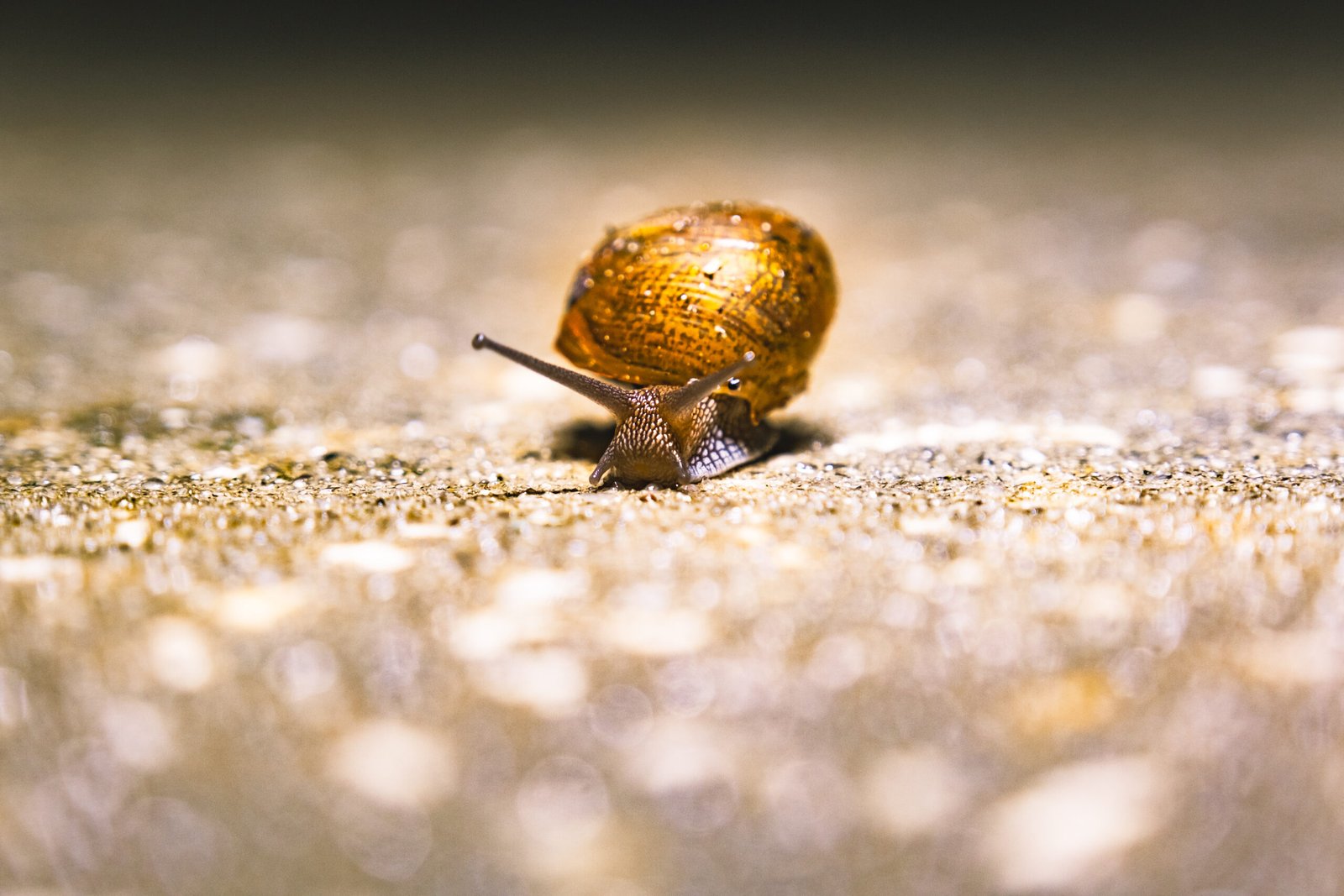
You look into your tank or garden and notice your shelled friends are missing. You immediately ask yourself, why are my snails always buried in the soil? This behavior is entirely normal for many species and serves several biological functions.
Snails dig into the substrate to regulate their body temperature, retain moisture, lay eggs, or hide from perceived threats.
While burrowing is a standard survival instinct, it can sometimes signal an issue with their environment. If your enclosure lacks proper humidity or the temperature spikes, your snails will seek shelter underground. Understanding these triggers helps you provide a better habitat for your pets. We will break down exactly what this behavior means and how to handle it.
The Main Reasons Snails Bury Themselves
Snails rely on their environment to control their internal systems. When external conditions change, they move to survive. Here are the most common reasons you will find them underground.
Temperature Regulation and Aestivation
Snails are incredibly sensitive to temperature changes. If their habitat becomes too hot or too cold, they dig into the dirt to find a stable climate. The soil acts as an insulator against extreme weather.
During dry or hot periods, terrestrial snails enter a state called aestivation. They bury themselves and seal the opening of their shell with a dried mucus layer called an epiphragm. This seal prevents moisture loss while they sleep through unfavorable conditions.
Moisture Retention and Dehydration
Snails need constant moisture to survive and breathe properly. Dry air pulls moisture from their soft bodies, putting them at risk of severe dehydration. The soil retains water much longer than it does in open air, as in a terrarium.
When humidity levels drop, snails instinctively head downward. The deeper substrate layers hold dampness. By burying themselves, they surround their bodies with wet soil, keeping their skin hydrated.
Egg-Laying and Reproduction
If you own adult snails, burrowing often points to reproduction. Snails prefer to lay their eggs in safe, dark, and damp locations. The soil provides the perfect incubator for developing snail eggs.
A snail preparing to lay eggs will often dig a deep hole. They might disappear for a few days to deposit clutches of dozens or even hundreds of eggs. If you notice your snail digging and then resurfacing thinner, check the dirt for small, white, pearl-like eggs.
Foraging for Food and Minerals
The ground is full of resources. Snails eat decaying plant matter, fungi, and microscopic organisms found in the dirt. Digging allows them to scavenge for these natural food sources.
They also ingest soil to absorb essential minerals. Calcium is vital for shell growth and repair. Many snails will consume dirt directly to process the calcium naturally present in organic matter.
Environmental Factors That Trigger Digging
Sometimes, the setup of your enclosure forces your snails underground. Checking your tank parameters is the first step in troubleshooting.
Incorrect Habitat Temperatures
Every snail species has a preferred temperature range. Giant African Land Snails prefer warmer climates, while common garden snails like cooler environments. If your heating mat fails or the room temperature shifts, the snails will react.
Use a digital thermometer to track the tank’s ambient heat. If the readings fall outside your specific species’ ideal range, adjust your heat sources. A stable environment reduces the need for them to hide.
Low Enclosure Humidity
A dry tank is a dangerous tank for mollusks. Terrestrial snails require high humidity, typically 70%-90%. If the top layer of your substrate feels dry to the touch, your humidity is too low.
Mist the enclosure daily with dechlorinated water. You can also mix sphagnum moss into your dirt. Moss holds water exceptionally well and slowly releases it into the air, keeping the environment humid.
Poor Substrate Quality
The type of dirt you use matters. If the soil is too acidic or lacks nutrients, snails might dig to escape the uncomfortable top layer. They might also burrow if the surface is too exposed to bright light.
Many experienced keepers use a 70/30 mix for their enclosures. Mixing 70% organic, fertilizer-free topsoil with 30% coco coir creates a perfectly balanced, moisture-retaining bed. Add crushed oyster shells or limestone powder to keep the soil calcium-rich.
Snail Species Known for Burrowing
Not all snails act the same. Some are naturally prone to spending most of their lives out of sight.
Malaysian Trumpet Snails
If you keep an aquarium, Malaysian Trumpet Snails are famous diggers. They spend their days sifting through aquarium gravel or sand. They only emerge at night or when food drops to the bottom.
Their digging is highly beneficial for fish tanks. As they move through the sand, they aerate the substrate. This prevents dangerous, toxic gas pockets from forming in the aquarium floor.
Giant African Land Snails
These massive pets love to dig during their resting periods. Despite their size, they can completely bury themselves in loose dirt. They often bury themselves during the day and come out at night to feed.
Providing a deep substrate layer is mandatory for these giants. They need at least three to five inches of soil to feel secure. Without enough dirt, they will become stressed and lethargic.
Common Garden Snails (Helix aspersa)
The snails you find in your backyard are masters of aestivation. During the heat of summer or the freezing winter, they disappear. They dig deep into garden beds or under large rocks.
In a captive setting, they carry this instinct over. Even if the temperature is perfect, they might bury themselves to rest out of the light.
How to Tell if Your Snail is Dead, Sleeping, or Hibernating?
Finding an unresponsive, buried snail can be alarming. You need to know how to check their health without causing harm.
Look for the Epiphragm
Gently uncover the snail and look at the shell opening. If you see a hard, papery white seal, your snail is aestivating. Do not force this seal open.
This indicates that the snail is alive but is protecting itself from adverse conditions. To wake them up, gradually increase the tank’s humidity and temperature. They will break the seal on their own when they feel safe.
The Smell Test
A dead snail produces a very distinct, foul odor. It smells strongly of rotting fish or ammonia. If your snail has passed away underground, the smell will be obvious as soon as you uncover them.
If the shell smells like normal earth and dirt, the snail is likely just sleeping. Leave them alone or mist them lightly with water.
Check the Shell Weight
A healthy, sleeping snail retains water weight. When you pick them up gently, the shell should feel heavy and solid.
If the shell feels completely hollow and light as a feather, the snail has likely died and dried out. You can hold a flashlight behind the shell to see if the body is still inside.
How to Safely Check on a Buried Snail?
If your snail has been underground for more than a few days, you should check on them. Doing this incorrectly can cause severe shell damage.
- Step 1: Mist the soil. Spray the area with water first. This softens the dirt and prevents you from pulling against dry, packed earth.
- Step 2: Dig with your fingers. Never use hard tools like spoons or sticks. Gently brush the dirt away with your bare fingers to avoid cracking their fragile shells.
- Step 3: Lift by the shell body, not the lip. If you need to move them, grasp the thickest part of the shell. Never pull a snail by the thin edge of its opening, as this breaks easily.
- Step 4: Check for eggs. Before putting the dirt back, look inside the hole. If you find eggs, you can decide whether to freeze them (to cull) or move them to an incubator.
- Step 5: Place them back gently. If the snail is sleeping, set them back in the shallow hole. Loosely cover them with damp soil so they can emerge when ready.
Maintaining the Perfect Substrate
Your soil health directly impacts your snail’s behavior. A clean, well-maintained substrate encourages normal resting habits rather than stress-induced hiding.
Turn the Soil Weekly
Soil compacts over time. Hard dirt makes it difficult for snails to dig naturally. Once a week, use your hands to fluff the substrate in your tank.
This also helps distribute moisture evenly. It prevents the bottom layer from turning into a swamp while the top layer dries out completely. For more details on soil management, animal care experts at the American Veterinary Medical Association provide great baseline hygiene tips for exotic enclosures.
Monitor for Pests
Buried snails are vulnerable to pests. Fungus gnats, fruit flies, and mites thrive in damp terrarium soil. If a snail is buried while pests are present, they can be irritated or attacked.
Check the dirt regularly for tiny moving bugs. If you spot a pest infestation, you must replace the entire substrate. Wash the tank thoroughly before adding fresh, clean dirt.
Replace Substrate Monthly
Even with spot cleaning, snail waste builds up in the dirt. High ammonia levels from waste will burn a snail’s skin. To escape the burning sensation, they might dig deeper, looking for clean earth.
Completely replace the substrate every 4 to 6 weeks. Save a small handful of the old, clean dirt to mix into the new batch. This retains beneficial bacteria that help stabilize the tank environment.
When Should You Worry About Snail Burrowing?
Most of the time, digging is harmless. However, there are a few red flags you should watch for.
If your snail stays buried for weeks despite perfect tank conditions, they might be ill. Snails suffering from deep retraction syndrome will pull far back into their shells and refuse to emerge. This requires immediate isolation and treatment.
Another concern is whether all your snails bury themselves at the same time. One snail’s hiding is a personal preference. Every snail in the tank that’s hiding indicates a severe environmental failure, such as toxic chemical exposure or a massive temperature drop.
Always double-check your hydrometer and thermometer if behavior suddenly shifts. The National Institutes of Health offers extensive research on mollusk biology, confirming that environmental stress is the leading cause of sudden behavioral changes in captive snails.
Understanding Snail Behavior
Keeping track of your pets means learning their habits. If you constantly wonder why your snails are always buried in the soil, the answer usually lies in their basic survival needs. They dig to stay warm, stay wet, lay eggs, and feel safe.
By keeping your tank humid, your temperatures stable, and your soil clean, you give them the best possible life. Let them dig when they want to. A happy snail will always resurface when it is hungry and ready to explore its home.