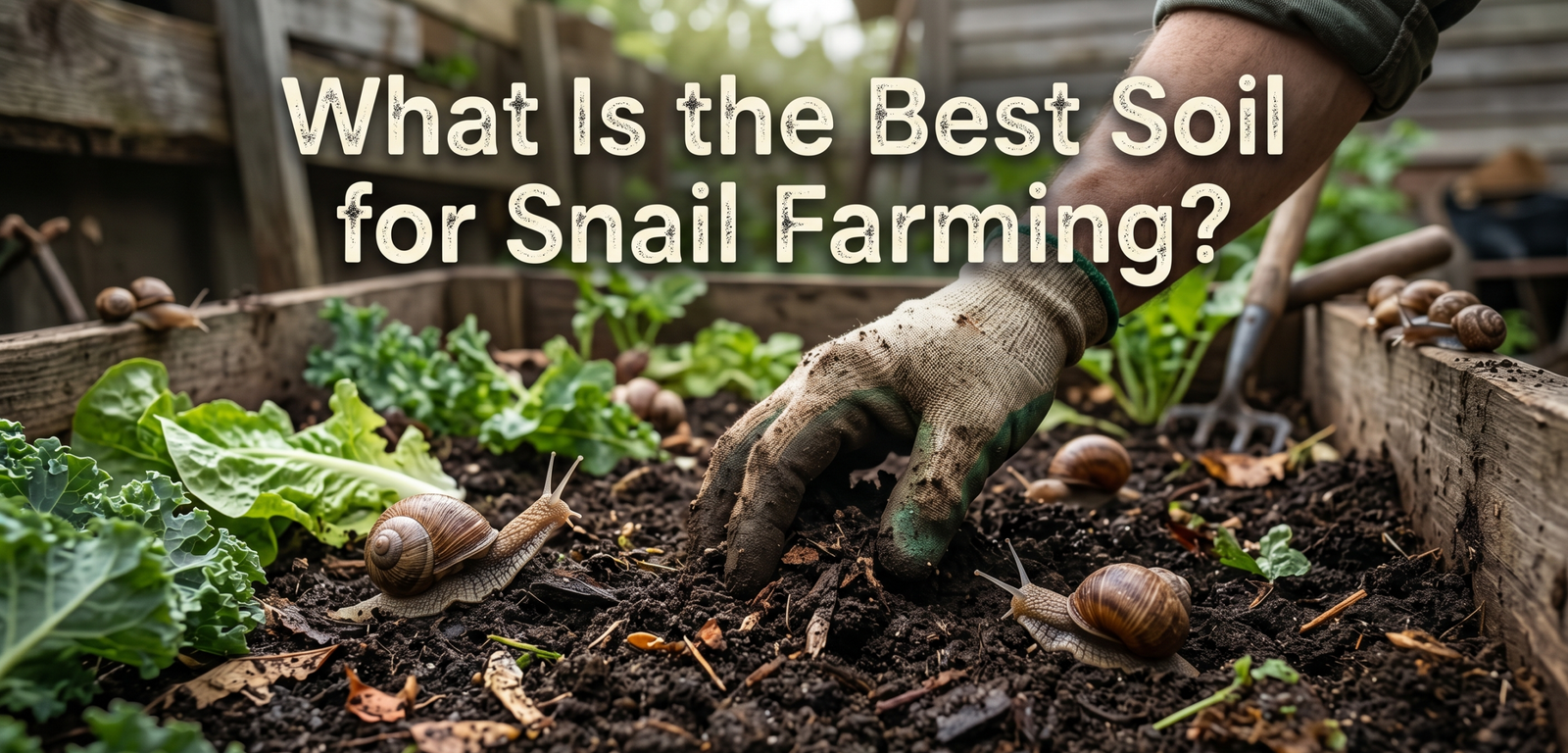
Selecting the right ground medium is the most critical decision for any aspiring heliciculturist. The soil serves as more than just a floor for your snails; it is their primary habitat for resting, hydrating, and reproducing. Without the correct texture and chemical balance, snails struggle to develop strong shells or lay healthy eggs.
The best soil for snail farming is high-quality loamy soil with a neutral pH, high calcium content, and excellent moisture retention.
Snails are highly sensitive to their environment. They breathe and absorb moisture through their skin via osmosis, meaning any toxins or imbalances in the dirt directly impact their survival.
To build a thriving snailery, you must create an earthy environment that mimics their natural forest-floor habitat while providing the nutrients they need for rapid growth.
Why Soil Quality is Vital for Snail Growth?
In snail farming, the substrate serves as a biological engine. It regulates temperature, provides essential minerals, and offers snails a safe place to burrow during the heat of the day. If the ground is too hard, snails cannot dig to lay their eggs. If it is too sandy, they lose body moisture too quickly, leading to dehydration.
Soil also serves as a secondary food source. Snails often ingest dirt to gain minerals that their regular diet might lack. This is why using “clean” soil, free from chemical fertilizers and pesticides, is non-negotiable. Healthy soil leads to healthy snails, which in turn lead to a more productive and sustainable farm.
The Ideal Composition: Why Loamy Soil Wins?
When experts discuss the best soil for snail farming, loamy soil is consistently at the top of the list. Loam is a balanced mixture of sand, silt, and clay. This specific combination provides the perfect physical structure for snails to thrive.
The Benefits of Loam Substrate
- Optimal Texture: It is soft enough for snails to burrow into easily, but firm enough to hold its shape around an egg clutch.
- Water Management: Loam retains enough moisture to keep the environment humid without becoming a muddy swamp.
- Nutrient Density: It naturally contains more organic matter than pure sand or heavy clay.
Pure clay is generally avoided because it becomes waterlogged during rain and turns rock-hard during dry spells. Sandy soil is also problematic because it drains water too quickly, making it nearly impossible to maintain the 70% to 80% humidity levels snails require.
Essential Soil Parameters for Snail Health
To maintain a professional snail habitat, you must monitor three specific chemical and physical markers: pH levels, calcium density, and moisture capacity.
1. Achieving the Perfect pH Balance
Snails prefer a neutral to slightly alkaline environment. The ideal pH range for snail farming is 6.5 to 7.5. You can easily check this with a standard soil-testing kit available at most garden centers.
If your soil is too acidic (below 6.5), the acid will actually begin to corrode the snail’s shell. To fix acidic soil, you can mix in small amounts of agricultural lime (calcium carbonate). Avoid using “quicklime” or hydrated lime, as these are caustic and will kill your livestock instantly.
2. High Calcium Concentration
A snail’s shell is composed almost entirely of calcium carbonate. While they get some calcium from leafy greens, they absorb a significant portion through their feet from the ground. Adding crushed oyster shells, eggshells, or limestone powder to your soil mix ensures that your snails grow thick, crack-resistant shells.
3. Moisture and Drainage
Snails thrive in damp conditions, but they cannot survive in standing water. The soil should feel like a wrung-out sponge—moist to the touch but not dripping when squeezed. Proper drainage prevents the growth of harmful anaerobic bacteria and fungi that can lead to mass die-offs in your pens.
How to Prepare Your Snail Bedding?
You should never take dirt straight from a random garden and put it into your snail pens without processing it first. Raw earth often contains hidden predators, such as beetle larvae, centipedes, and mites, which can eat snail eggs or stress the adults.
Sterilizing the Substrate
Before introducing your snails, follow these steps to ensure the ground is safe:
- Heat Treatment: Spread the soil on a tray and bake it in an oven at 200°F (93°C) for 30 minutes. This kills parasites and weed seeds.
- Solarization: If you have large quantities, cover the soil with clear plastic in direct sunlight for several days.
- Sifting: Run the soil through a fine mesh screen to remove large stones, sticks, or debris that might obstruct burrowing.
The Perfect Snail Soil Recipe
If you want to create a high-performance substrate from scratch, use this proven ratio:
- 40% Loamy Garden Soil (Sterilized)
- 30% Coconut Coir or Peat Moss (For moisture retention)
- 20% Fine Sand (For drainage)
- 10% Crushed Limestone or Oyster Shells (For calcium)
Managing Soil in Different Housing Systems
The way you manage your ground depends heavily on your farming setup. Whether you use intensive (indoor) or extensive (outdoor) methods, the soil needs vary.
Indoor Plastic Tubs or Wooden Boxes
In small, enclosed containers, soil becomes dirty much faster. Feces and mucus accumulate quickly, leading to ammonia buildup. You should replace the substrate in indoor pens every 4 to 6 weeks to maintain a hygienic environment. Ensure the soil depth is at least 2 inches for small snails and 5 to 8 inches for large breeders.
Outdoor Intensive Pens
In outdoor pens, you have the advantage of natural biological processes, but you are at the mercy of the weather. Use a mulch layer of dried leaves or straw on top of your soil. This protects the ground from drying out under the sun and provides extra organic matter as it breaks down.
Common Soil Problems and How to Fix Them
Even experienced farmers encounter issues with their substrate. Identifying these problems early will save your colony.
Problem: Soil Is Too Dry
If you notice your snails are retracting deep into their shells and forming a white papery seal (epiphragm), the ground is too dry.
- Solution: Mist the pens twice daily with chlorine-free water. Mix in more coconut coir to hold humidity longer.
Problem: Foul Smelling Earth
A rotten egg smell indicates that the soil has become “sour” or anaerobic due to overwatering.
- Solution: Reduce watering immediately. Turn the soil over to aerate it, or replace the bottom layer with fresh, dry loam.
Problem: Presence of Pests
If you see ants or small mites crawling in the dirt, your snails are at risk.
- Solution: Ants are often attracted to leftover food. Remove uneaten fruit or vegetables within 12 hours. Use a water moat around the legs of your snail tables to prevent crawling insects from entering.
The Role of Soil in Egg Laying and Incubation
When a snail is ready to lay eggs, it searches for a spot with the perfect temperature and moisture. It will use its “foot” to dig a hole several centimeters deep. If the soil is too compacted or contains too much clay, the snail may become stressed and “scatter” its eggs on the surface.
Surface-laid eggs have a much lower hatch rate because they dry out easily. By providing a soft, loamy substrate, you encourage the snail to properly bury its clutch. This natural insulation protects the embryos from temperature swings and keeps them hydrated until they hatch into “juveniles” or hatchlings.
Seasonal Soil Maintenance
As seasons change, so does the behavior of your snails. During colder months, snails may enter a state of hibernation known as estivation or diapause. They will burrow deep into the dirt to stay warm.
During this time, you should avoid disturbing the soil. Ensure the ground does not freeze if you are farming in a temperate climate. Adding a thick layer of organic mulch can act as a thermal blanket, keeping the subterranean temperature stable and ensuring your snails wake up healthy in the spring.
Environmental Considerations for Snail Substrates
Sustainability is becoming a major focus in modern farming. When choosing materials for your soil mix, consider the environmental impact.
- Peat Moss vs. Coconut Coir: While peat moss is effective, it is harvested from delicate bog ecosystems. Coconut coir is a renewable byproduct of the coconut industry and works just as well for snail farming.
- Organic Standards: If you plan to sell your snails as organic food, ensure that every component of your soil is certified organic and free from synthetic additives.
Conclusion
Understanding what the best soil for snail farming is is the foundation of a profitable and healthy operation. By focusing on a loamy, calcium-rich, and well-drained substrate, you provide your snails with the best possible chance to grow quickly and reproduce frequently.
Remember that soil is a living component of your farm. It requires regular testing, cleaning, and occasional replacement to stay productive. If you treat your ground with the same care as your livestock, you will see a significant increase in your farm’s overall output and shell quality.