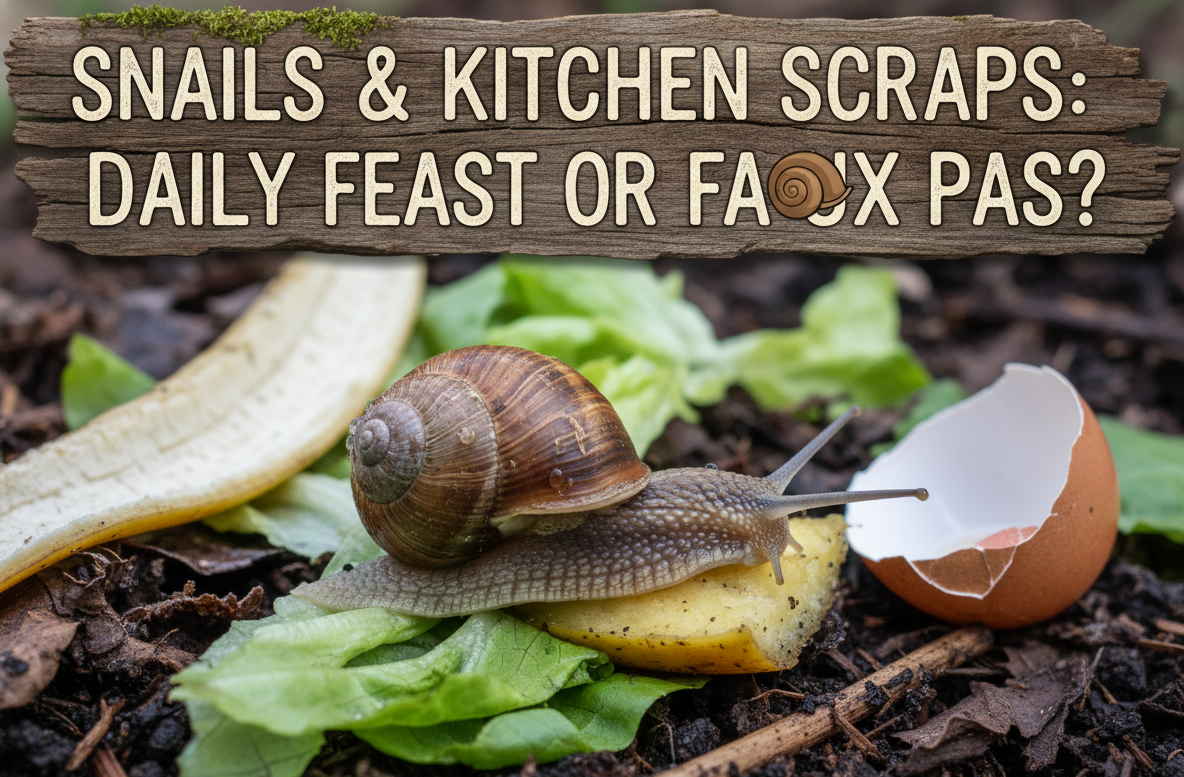
Many gastropod owners and garden enthusiasts wonder about the best dietary practices for these creatures. The direct answer to the query, ” Can snails eat kitchen scraps every day, is yes, provided those scraps are raw, unseasoned, and non-toxic. Snails thrive on a varied diet of fresh produce and leftovers.
You must carefully select which scraps to offer. Not all human food waste is safe for a snail’s digestive system. Providing a daily rotation of safe, nutrient-dense kitchen trimmings ensures optimal health, strong shell growth, and proper hydration.
Can Snails Eat Kitchen Scraps Every Day?
Yes, snails can safely eat kitchen scraps daily. To maintain a healthy diet using leftovers, follow these specific guidelines:
- Offer daily variety: Rotate between different safe vegetables and fruits.
- Keep it raw: Serve uncooked trimmings to retain natural nutrients.
- Avoid all seasonings: Never feed scraps containing salt, sugar, or spices.
- Wash thoroughly: Rinse all peels and tops to remove pesticide residue.
- Remove uneaten food: Clear away old scraps within 24 hours to prevent mould.
What Kitchen Scraps Are Safe for Snails?
Your kitchen produces numerous safe, nutritious trimmings that are perfect for a snail’s daily feeding schedule. Focusing on fresh produce waste mimics their natural foraging habits. Vegetable tops, peels, and fruit cores are excellent sources of vitamins and minerals.
Nutrient-Dense Safe Vegetables
Vegetables should form the foundation of a snail’s daily scrap diet. Root vegetables and leafy greens provide the highest nutritional density.
- Carrot Peels and Tops: Carrots are a good source of vitamin A. This vitamin supports cellular health and vibrant shell colouration.
- Sweet Potato Trimmings: Sweet potatoes are highly nutritious and provide dense calories for energy. Serve these raw and thinly sliced.
- Zucchini and Squash Ends: Moisture-rich squashes are universally accepted by most snail species. They provide hydration and dietary fibre.
- Broccoli Stems: Do not throw away broccoli stalks. Snails happily consume these tough stems, which provide vital calcium and iron.
- Dark Leafy Greens: Kale, spinach, and collard greens stems are excellent daily options. Avoid iceberg lettuce, as it has almost no nutritional value and is mostly water.
For more information on the dietary needs of gastropods and safe plant matter, veterinary resources like PetMD offer extensive databases on exotic pet care.
Hydrating Safe Fruits
Fruit scraps are an excellent source of natural sugars and hydration. You should offer fruit trimmings slightly less frequently than vegetables to prevent excess sugar intake.
- Apple Cores and Peels: Apples are a safe, staple fruit. Ensure you remove all apple seeds before serving, as they contain trace amounts of cyanide.
- Banana Peels: Snails will eat the soft flesh inside a banana peel. Bananas offer potassium, though they mush quickly and attract fruit flies.
- Melon Rinds: Watermelon, cantaloupe, and honeydew rinds are perfect summer scraps. They offer massive hydration during warmer months.
- Berry Tops: Strawberry tops and bruised blueberries are safe treats. Berries are acidic, so limit these to a few times a week.
Kitchen Scraps to Strictly Avoid
Certain common kitchen leftovers are highly toxic to snails. Feeding the wrong scraps can lead to immediate dehydration, digestive failure, or death. You must meticulously sort your compost pile if snails have access to it.
Toxic and Fatal Foods
Never expose snails to these specific household scraps. Their internal organs cannot process these compounds.
- Onions and Garlic: All members of the allium family are highly toxic. Even trace amounts of garlic paper or onion skins can be fatal.
- Citrus Fruits: Lemons, limes, oranges, and grapefruit rinds are far too acidic. The high citric acid content interferes with their calcium absorption and damages soft tissue.
- Avocado Skins and Pits: Avocados contain persin, a fungicidal toxin. While safe for humans, persin causes severe adverse reactions in many animals, including gastropods.
- Celery: While not explicitly toxic, celery acts as a negative-calorie food. It lacks nutritional value, and the stringy fibres can cause internal blockages.
Processed and Seasoned Leftovers
Snails require a completely natural diet. Human intervention in food preparation usually renders it unsafe for them.
- Salted Items: Salt is lethal to snails. It causes rapid, fatal dehydration via osmosis. Never feed them scraps from a prepared dinner plate.
- Cooked Starches: Pasta, bread, and rice expand in a snail’s stomach. This expansion causes severe internal blockages and fatal bloating.
- Sugary Baked Goods: Artificial sugars and refined flours disrupt their natural gut flora. Stick exclusively to raw produce.
To understand the chemical dangers posed by salt and processed foods to invertebrates, biological studies published by organisations such as the National Science Foundation detail these osmotic reactions.
How to Prepare Kitchen Leftovers for Snails?
Proper preparation ensures the scraps are safe and easily consumable. Snails possess a radula, a microscopic toothed structure used to scrape food. Providing the right texture aids their digestion.
Washing and Decontaminating
Pesticides and herbicides present on commercial produce peels are deadly to invertebrates.
- Rinse thoroughly: Wash all vegetable tops and fruit peels under cold, running water.
- Scrub firm-skinned root vegetables: Use a vegetable brush to remove soil and chemical residues.
- Buy organic when possible: Organic scraps drastically reduce the risk of chemical poisoning.
Slicing and Formatting
While snails can chew through tough materials, preparing the scraps makes eating more efficient.
- Thin slices: Cut dense root vegetables, such as sweet potatoes, into paper-thin slices.
- Grate hard foods: Grating carrot ends or broccoli stems makes the food immediately accessible.
- Serve at room temperature: Cold food straight from the refrigerator can shock their system. Let scraps sit for ten minutes before feeding.
The Critical Role of Kitchen Eggshells
A snail’s shell consists primarily of calcium carbonate. Without adequate dietary calcium, their shells become brittle, cracked, or deformed. Your kitchen provides the perfect, free calcium supplement: eggshells.
Preparing Eggshells for Snails
You cannot simply throw a raw eggshell into the enclosure. Proper preparation removes harmful bacteria and makes the calcium bioavailable.
- Boil the shells: Boil leftover eggshells for five minutes to kill salmonella and other pathogens.
- Dry completely: Bake the shells in an oven at 200°F (93°C) for ten minutes until brittle.
- Grind into powder: Use a coffee grinder or mortar and pestle to crush the shells into a fine dust.
- Serve separately: Place the calcium powder in a small, separate dish. Snails will self-regulate and consume calcium exactly when their bodies require it.
Feeding Schedules and Portion Control
While we have established that snails can eat kitchen scraps every day, volume matters. Overfeeding leads to enclosure rot and pest infestations.
Daily Feeding Volumes
An adult snail consumes roughly 10% to 20% of its body weight daily.
- Start small: Offer a pile of scraps roughly the size of the snail’s shell.
- Monitor consumption: Observe how much they eat in 24 hours.
- Adjust accordingly: If the food is entirely gone by morning, slightly increase the portion. If much remains, scale back.
Evening Feeding
Snails are primarily nocturnal creatures. They forage and eat at night, when temperatures drop, and humidity rises.
- Serve fresh food at dusk: Placing fresh scraps in the enclosure during the early evening ensures the food is crisp when they wake up.
- Mist the food: Lightly spray the scraps with unchlorinated water. Snails prefer damp environments and wet food.
Managing Uneaten Scraps and Enclosure Hygiene
Kitchen scraps decompose rapidly in warm, humid snail enclosures. Poor hygiene can lead to mould growth, fruit fly infestations, and bacterial infections.
The 24-Hour Rule
Never leave fresh produce scraps in an enclosure for more than 24 hours.
- Daily removal: Remove any uneaten vegetables or fruits every morning.
- Check hiding spots: Snails often drag food under bark or leaves. Search the substrate for hidden, rotting scraps.
- Spot clean: Wipe away any slimy residue left by the degradation of fruit sugars on the enclosure walls.
Substrate Health
Rotting food quickly acidifies the soil. Acidic substrate actively damages a snail’s shell, eroding the bottom layer as they slide across it. Frequent removal of organic waste prevents this acidic buildup.
Identifying Diet-Related Health Issues
Monitoring your snail’s physical condition indicates whether your kitchen-scrap diet is adequate. Adjust the types of leftovers you provide based on these visual indicators.
Signs of Malnutrition
A poor diet manifests quickly in a snail’s physical appearance and behaviour.
- Thin, fragile new shell growth: Indicates a severe lack of calcium. Increase eggshell powder availability.
- Lethargy and deep retraction: If a snail hides deeply in its shell and seals itself off, it may be dehydrated or lacking caloric energy. Offer moisture-rich squashes.
- Discoloured faeces: A snail’s waste generally matches the colour of its food. White or stringy waste can indicate poor digestion or a lack of fibrous vegetables.
Signs of Optimal Health
A balanced diet of safe daily scraps results in distinct positive traits.
- Smooth, thick shell growth: New shell material at the opening should be hard and seamlessly integrated with the older shell.
- Active nocturnal behaviour: Healthy snails will actively explore and eat every night.
- Steady weight gain: Juvenile snails should show consistent growth when provided with adequate daily nutrition.
Summary
Providing a healthy, varied diet does not require expensive commercial foods. When asking if snails can eat kitchen scraps every day, the evidence clearly shows that fresh, raw vegetable and fruit trimmings are ideal. By strictly avoiding toxic alliums, citrus, and processed human foods, you can safely utilise your daily waste.
Remember to wash all produce thoroughly, provide crushed eggshells for vital calcium, and maintain a rigorous cleaning schedule. Utilising safe leftovers ensures your gastropods receive the complex nutrition they require to grow strong shells and maintain active, healthy lives.