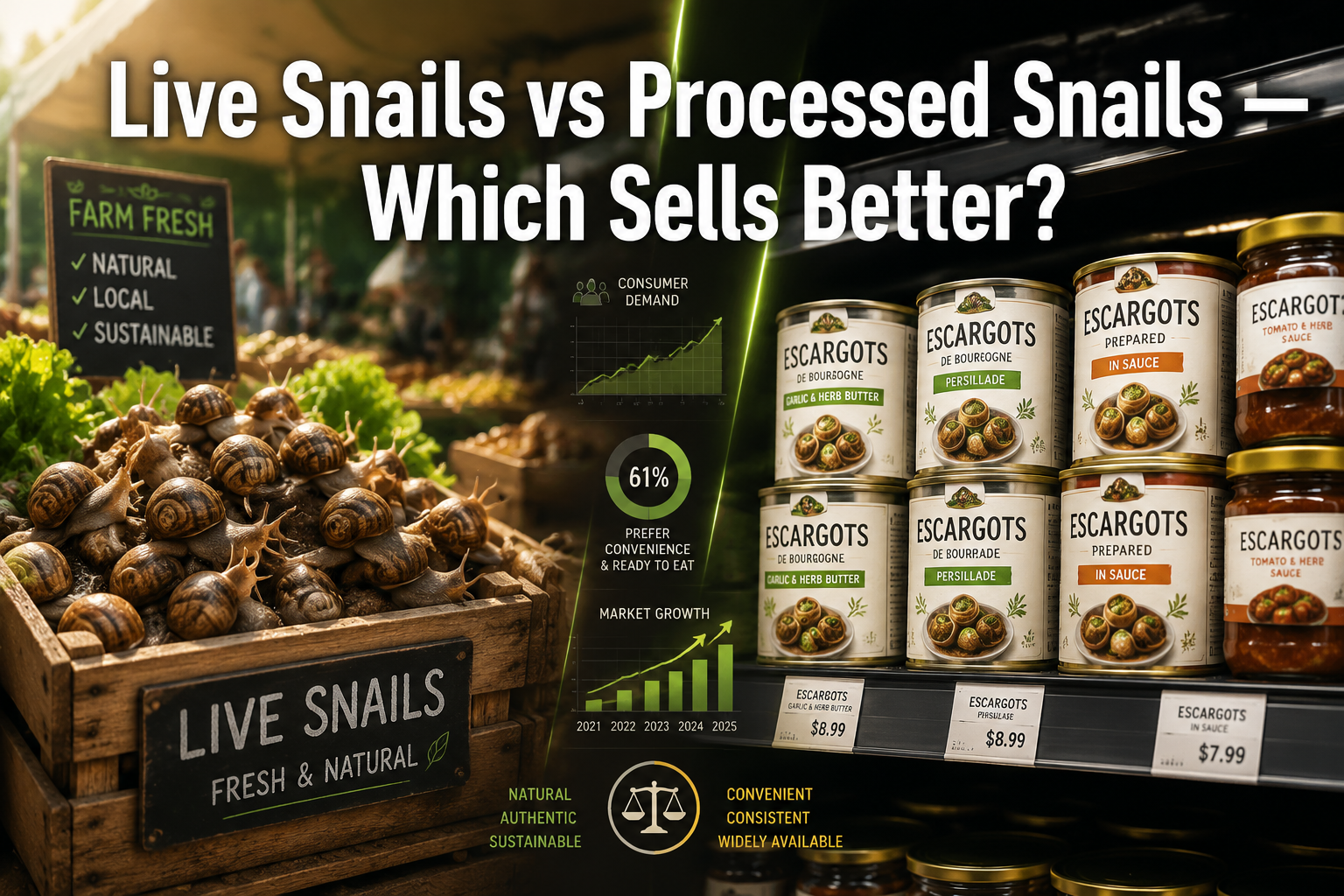
Fresh live snails currently dominate the market with 49.5% market share, but processed snails command higher profit margins and are gaining ground through convenience and longer shelf life.
Live snails excel in high-end restaurants and traditional culinary applications, while processed options capture broader consumer markets through retail channels and consistent supply.
What’s the Current Market Share for Live Snails vs Processed Snails?
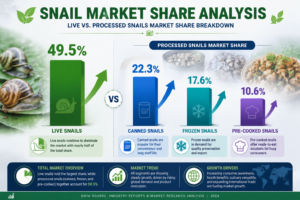
Fresh live snails capture 49.5% of the total snail market in 2025, making them the dominant format by volume. This leadership position stems from strong demand in foodservice establishments and consumer preference for fresh ingredients in traditional cooking.
The remaining market splits among various processed formats:
- Canned snails: A growing segment due to convenience.
- Frozen snails: Popular for bulk foodservice operations.
- Pre-cooked snails: Premium restaurant applications.
- Marinated escargot: Specialty gourmet products.
Key insight: While fresh snails lead in volume, the processed segment collectively represents over 50% of the market and commands higher per-unit pricing through value-added processing.
Which Format Generates Higher Profit Margins?
Processed snails deliver significantly higher profit margins than live snails through value-added manufacturing. Processing transforms raw commodity snails into premium products that foodservice buyers pay premium prices for.
Profit drivers for processed snails:
- Convenience premium: Ready-to-use formats save labor costs.
- Consistency guarantee: Standardized quality reduces waste.
- Extended shelf life: Lower spoilage and inventory risks.
- Brand positioning: Packaged products support premium pricing.
Live snail advantages:
- Lower processing costs: Minimal handling from farm to customer.
- Authenticity premium: High-end restaurants pay more for fresh preparation.
- Direct sales potential: Farm-to-table relationships capture full margins.
Choose processed formats if targeting retail markets or convenience-focused foodservice. Choose live snails if serving traditional restaurants or direct-to-consumer farm sales.
How Do Distribution Channels Affect Live Snails vs Processed Snails Sales?
B2B channels account for 47% of total snail market sales in 2026, heavily favoring live snails for restaurant applications. This distribution pattern creates distinct sales strategies for each format.
Live snail distribution strengths:
- Restaurant direct sales: Chefs prefer control over fresh preparation.
- Farmers’ markets: Consumer connection drives premium pricing.
- Specialty food stores: An authentic cooking experience appeals.
- Export markets: International demand for specific live varieties.
Processed snail distribution advantages:
- Retail grocery: Shelf-stable products fit standard distribution.
- Online sales: Shipping convenience for consumer markets.
- Bulk foodservice: Consistent supply for large operations.
- International shipping: Longer shelf life enables global reach.
The 47% B2B market share indicates that restaurants remain the primary customer base, giving live snails a structural distribution advantage in high-volume sales channels.
What Are the Storage and Logistics Differences?
Storage requirements create significant operational differences between live snails vs processed snails that directly impact sales potential and target markets.
Live snail logistics challenges:
- Temperature control: Requires consistent cool temperatures.
- Short shelf life: 3-7 days maximum freshness window.
- Specialized handling: Live transport increases shipping costs.
- Seasonal availability: Weather affects supply consistency.
Processed snail logistics advantages:
- Room temperature storage: Canned products need no refrigeration.
- Extended shelf life: 2-3 years for properly processed products.
- Standard shipping: No special handling requirements.
- Consistent availability: Year-round supply regardless of season.
Common mistake: Underestimating the cold chain costs for live snails, which can eliminate profit margins on long-distance sales.
Which Format Appeals to Different Customer Segments?
Customer preferences split clearly between live snails vs processed snails based on cooking expertise, time constraints, and authenticity priorities.
Live snail customer segments:
- High-end restaurants: Authenticity and preparation control are essential.
- Traditional home cooks: Cultural cooking practices require fresh ingredients.
- Specialty food enthusiasts: Willing to pay a premium for an authentic experience.
- Farm-to-table establishments: Fresh sourcing aligns with brand values.
Processed snail customer segments:
- Busy consumers: Convenience trumps authenticity concerns.
- Chain restaurants: Consistency and cost control priorities.
- International markets: Shipping limitations favor shelf-stable products.
- Retail grocery shoppers: Familiar packaging and preparation methods.
The market data shows both segments growing, but processed snails benefit from broader consumer accessibility while live snails maintain premium positioning in traditional applications.
What Price Differences Exist Between Live and Processed Snails?
Significant price disparities exist across snail suppliers, ranging from $3,152 per ton to premium positioning, indicating distinct market segments for both live and processed formats.
Live snail pricing factors:
- Seasonal fluctuations: Weather affects supply and pricing.
- Transportation costs: Live shipping adds 15-25% to the base price.
- Quality premiums: Larger, healthier specimens command higher prices.
- Direct sales advantage: Farm-to-restaurant sales eliminate middleman costs.
Processed snail pricing factors:
- Processing costs: Value-added manufacturing increases base cost.
- Brand premiums: Packaged products support higher retail margins.
- Volume discounts: Large processed orders reduce per-unit costs.
- Import/export fees: International processed products face tariff costs.
Strategic insight: Italian importers strategically source across the entire price spectrum, enabling both budget-friendly and premium product positioning based on target market price sensitivity.
How Do Health and Wellness Trends Impact Each Format?
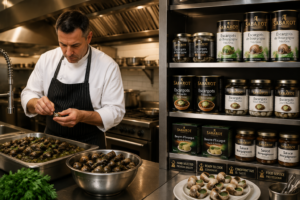
Farm-to-table dining and health-conscious consumer preferences create opportunities for both live snails vs processed snails, but through different positioning strategies.
Live snails benefit from:
- Fresh food movement: Consumers associate fresh with healthier.
- Transparency: Visible product quality builds consumer trust.
- Local sourcing: Reduced transportation appeals to eco-conscious buyers.
- Traditional preparation: Authentic cooking methods attract health enthusiasts.
Processed snails capitalize on:
- Protein alternative positioning: Marketed as a sustainable protein source.
- Convenience health: Busy consumers want healthy options that save time.
- Portion control: Pre-packaged servings support dietary management.
- Nutritional consistency: Standardized processing ensures consistent nutrition facts.
Both formats benefit from snails’ reputation as a lean, sustainable protein source, but they access different segments of the health-conscious market.
What Does Market Growth Look Like for Each Format?
The global snail market shows rapid expansion from $265.1 million in 2025 to a projected $762.1 million in 2026, with both live and processed segments contributing to growth.
Live snail growth drivers:
- Heliciculture expansion: Increased farming capacity supports supply growth.
- Restaurant industry recovery: Post-pandemic dining resurgence boosts demand.
- Premium positioning: High-end establishments drive value growth.
- Export market development: International demand for specific varieties.
Processed snail growth, drivers:
- Retail market penetration: Grocery store placement expands consumer access.
- Product innovation: New formats like marinated and frozen varieties.
- International trade: Shelf-stable products enable global distribution.
- Health food positioning: Protein alternative marketing drives new customers.
Italy’s snail market specifically shows volume-driven acceleration outpacing global trends, indicating strong current demand at accessible price points.
Summary
Live snails currently dominate market share at 49.5%, but processed snails are rapidly gaining ground through higher profit margins and broader market accessibility. The choice between formats depends on target customers, distribution capabilities, and operational priorities.
FAQ
Which format has better profit margins?
Processed snails typically offer higher profit margins through value-added processing, while live snails can achieve premium pricing in high-end restaurant markets.
How long do live snails stay fresh compared to processed?
Live snails maintain quality for 3-7 days with proper storage, while processed snails last 2-3 years when canned or properly frozen.
Which format is easier to ship internationally?
Processed snails ship much more easily internationally due to longer shelf life and no special handling requirements, while live snails face strict import regulations.
Do restaurants prefer live or processed snails?
High-end restaurants typically prefer live snails for authenticity and preparation control, while chain operations often choose processed for consistency and convenience.
Which format is growing faster in 2026?
Both segments are growing rapidly, but processed snails show stronger retail market penetration while live snails maintain dominance in foodservice channels.
What’s the price difference between live and processed snails?
Prices range from $3,152/ton to premium positioning, with processed snails commanding higher per-unit prices but live snails potentially offering better margins through direct sales.
Which format works better for new snail businesses?
Live snails require less initial processing investment but need specialized handling, while processed snails need processing facilities but have access to broader markets.