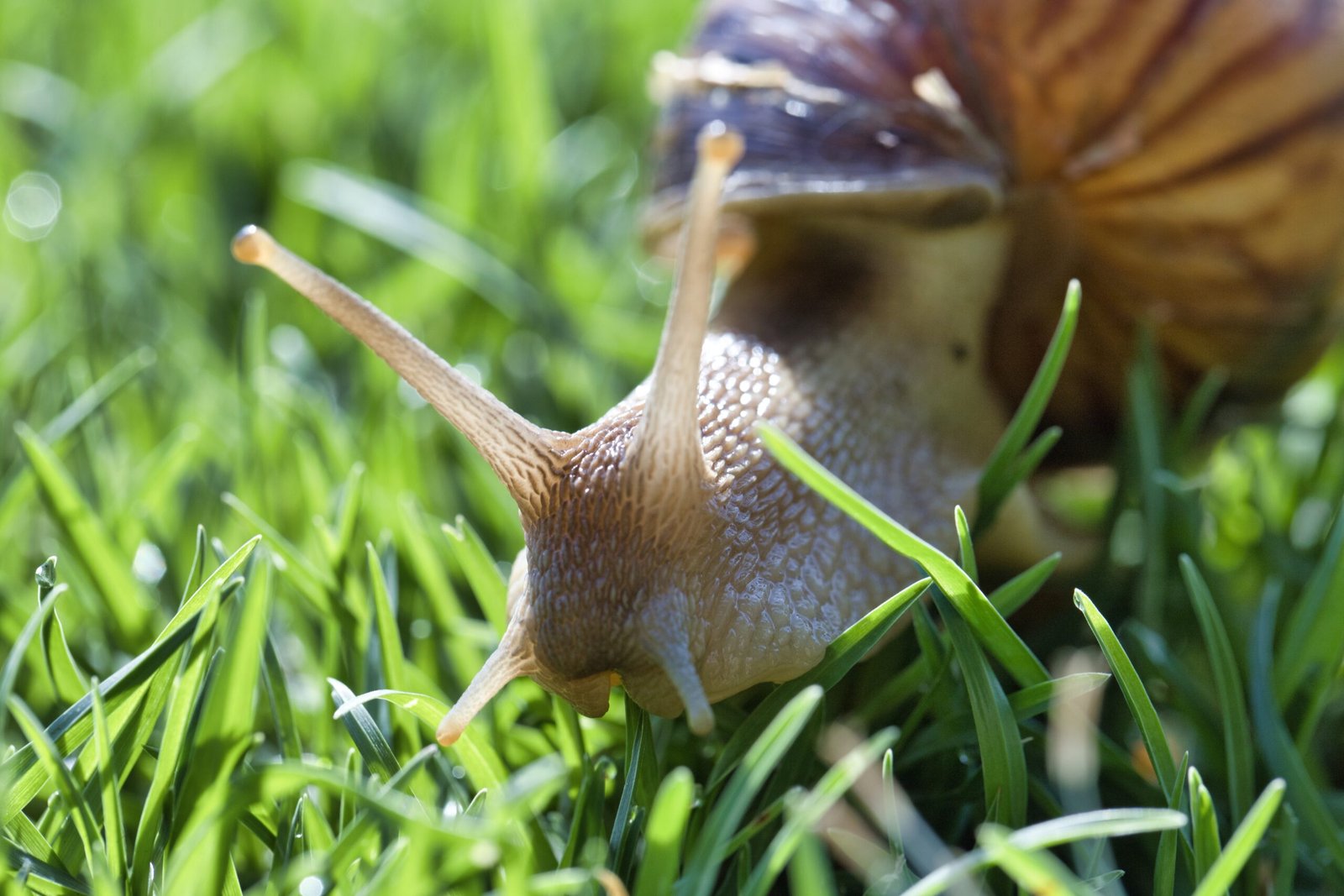
The best feed for faster snail growth combines a high-protein plant source like moringa or papaya leaves, a permanent calcium supplement like cuttlebone or crushed eggshell, and a rotating mix of leafy greens and soft fruits. Snails fed this way reach full size in 8–12 months. Without it, the same snail can take 18–24 months on a poor diet.
Why Feed Controls Snail Growth More Than Any Other Factor?
Snails are continuous growers. They don’t stop building shell and body mass until they hit biological maturity. That process is almost entirely driven by nutrition.
Temperature and humidity play a role, but diet is the biggest lever. A Achatina achatina (Giant African Land Snail) on an optimised diet can reach 150–200g in under a year. The same snail on calcium-poor, low-protein feed may weigh under 80g at 18 months.
According to the FAO Snail Farming Manual, calcium deficiency is the leading cause of stunted growth and thin shells in farmed snails. Protein deficiency is second. Fix those two, and growth accelerates immediately.
The 3 Nutritional Pillars Every Snail Diet Needs
Before breaking down specific foods, understand the three nutrients that directly control how fast a snail grows:
1. Calcium A snail’s shell is 95–98% calcium carbonate. When calcium intake is low, the snail pulls minerals from its own shell to run other body functions. The shell weakens, thins, and growth stops. Calcium must be available at all times—not just during feeding.
2. Protein: Protein builds body mass — the actual flesh inside the shell. Juveniles need 20–22% crude protein in their diet during the first six months. Adults maintain healthy development at 15–18%. Protein-deficient snails develop oversized, thin shells with little body inside.
3. Carbohydrates Carbohydrates fuel daily activity — movement, feeding, mucus production, and reproduction. They should make up 40–55% of the total diet. Sweet potato, banana, corn, and pumpkin are reliable energy sources that snails consistently eat.
Best Calcium Sources for Shell Growth
Calcium is the non-negotiable foundation of faster snail growth. Without it, even the best protein-rich diet produces snails with fragile, underdeveloped shells. Here are the most effective sources:
Cuttlebone: The single easiest and most bioavailable calcium source for most setups. Place it directly in the enclosure and leave it there. Snails gnaw on it whenever their body signals a deficit. Works for pets, small farms, and commercial operations.
Crushed Baked Eggshell: The most cost-effective option for home farmers. Bake shells at 200°C (390°F) for 10 minutes to kill bacteria, crush into powder, and scatter through the habitat or mix into feed. Highly effective and essentially free.
Limestone Powder (Calcium Carbonate) is the standard for large commercial snail farms. Mix at 1–2% of feed by dry weight. Consistent, affordable, and easy to source through agricultural suppliers.
Oyster Shell Grit Slower calcium release than cuttlebone, but effective for supplementing base diet. Scatter in the substrate or feeding area.
Bone Meal provides both calcium and phosphorus. Phosphorus improves calcium absorption, making bone meal a good option when snails show signs of shell weakness despite adequate calcium intake.
A study published in PubMed Central found that snails with continuous access to calcium carbonate grew their shells 34% faster over 90 days than snails relying solely on dietary calcium from greens.
Key rule: Never remove the calcium source between feedings. Keep cuttlebone or eggshell in the enclosure 24 hours a day.
High-Protein Foods That Speed Up Snail Body Development
Protein drives the body mass side of snail growth. The shell can only hold so much if the body inside isn’t growing proportionally. These are the most effective protein sources:
Moringa leaves contain up to 27% protein by dry weight. One of the most nutrient-complete plant foods a snail can eat. Highly palatable across species. Easy to grow in tropical climates, and dried leaves retain most nutritional value.
Papaya (Pawpaw) Leaves and Fruit: Strong protein content combined with papain, a digestive enzyme that helps snails absorb other nutrients more efficiently. Most snail species eat it readily without hesitation. One of the best daily or every-other-day protein staples.
Sweet Potato Leaves are protein-rich, tender, and available year-round in tropical and subtropical regions. Eaten eagerly by Achatina, Helix, and most other farmed species. An underrated staple that outperforms many leafy greens in terms of protein per serving.
Cowpea and Bean Leaves Legume leaves carry high protein loads and provide varied amino acid profiles when rotated with other sources. Good for ensuring complete protein coverage without relying on a single food.
Cooked Soybean Meal is effective at 15–20% inclusion in formulated feed. Must be heat-treated before feeding — raw soybeans contain trypsin inhibitors that block protein digestion. Cooked or roasted soy is safe and highly effective.
Fish meal is used in commercial snail pellet formulations at 5–10% inclusion. Very high protein density measurably improves growth rates at scale. Impractical for small setups due to odour, but excellent for farms.
Research published in the Open Journal of Animal Sciences confirmed that snails on diets with 20–25% protein grew significantly faster than those on 10–15% protein within 8 weeks.
Best Vegetables for Snail Growth
Vegetables make up the bulk of a snail’s daily diet. They deliver fibre, vitamins, trace minerals, and water content that keep snails actively feeding. A snail eating consistently is a snail growing consistently.
Kale and Collard Greens have some of the highest calcium content of any leafy green. Excellent as a daily staple. Also rich in vitamins A, C, and K, which support immune function and overall health.
Pumpkin and Pumpkin Leaves. Both the fruit and the leaves are readily eaten. Its soft texture makes it ideal for juveniles and hatchlings that struggle with tougher foods: good energy and vitamin content.
Spinach is high in iron and calcium but contains oxalic acid, which binds calcium and reduces absorption. Limit to 2–3 servings per week — it should not replace primary calcium sources and should not be fed daily.
Lettuce (Romaine) has a lower nutrient density than kale, but it is excellent for encouraging feeding behaviour in picky or newly hatched snails. High water content also supports hydration.
Cucumber is primarily a hydration food. Low in protein and calcium but useful during dry seasons or when humidity drops. Snails eat it readily, which keeps feeding momentum going even on days when other foods aren’t available.
Best Fruits for Snail Growth
Fruits provide fast-release energy, vitamins, and feeding stimulation. They work best as part of a varied diet rather than a primary feed.
Papaya is the top fruit choice for most snail species. Soft, digestible, enzyme-rich, and eaten by virtually every land snail species. Works as both food and digestive support.
Banana and Plantain are energy-dense and high in potassium. Feed in moderation — the sugar content is high, and overfeeding can lead to loose, watery droppings. Two to three times per week is a sensible limit.
Watermelon: excellent hydrating food for dry seasons. Remove seeds and skin. The soft red flesh is consumed quickly and helps maintain moisture levels in the body during low-humidity periods.
Mango is high in vitamins A and C. Accepted readily by most species. Remove the skin — some snails react to the sap in mango skin.
Pear: Moderate sugar, soft texture, and well-tolerated—a good option for adding variety without the sugar load of a banana.
Commercial Snail Feed vs Natural Whole Foods
Formulated commercial snail feeds are designed to deliver consistent macronutrient ratios — typically 18–22% protein, 2–3% calcium, 5–8% fat, and 40–55% carbohydrates. For commercial operations, this consistency is a real advantage.
When commercial feed makes sense:
- Farming at scale where fresh greens can’t be sourced consistently
- Precise control over growth rates for market timing
- Raising species with specific or sensitive nutritional needs
When natural, whole foods are better:
- Small setups and hobbyist care, where fresh food is easy to access
- Pet snails that benefit from dietary variety and feeding enrichment
- Tropical regions where moringa, papaya, and sweet potato grow for free
The most effective model, supported by snail nutrition research, is a combination approach: formulated pellet feed at 60–70% of the diet, supplemented with fresh greens and fruit at 30–40%, plus a permanent calcium source available at all times.
Feeding Schedule and Portion Sizes
Snails are nocturnal. They feed most actively between dusk and early morning. Evening feeding reduces food waste and mould growth.
Recommended routine:
- Timing: Feed once daily in the evening, or twice daily (small portions at 6 PM and 10 PM) for juvenile snails in the rapid growth phase
- Quantity: Roughly 5–10% of the snail’s body weight per feeding session. Measure once, then adjust based on what’s fully eaten within 12 hours.
- Uneaten food: Remove all leftovers within 12–18 hours. Decaying food triggers bacterial growth that can sicken snails and discourage feeding.
- Calcium: Keep cuttlebone or eggshell available 24/7, regardless of feeding schedule
Feeding by growth stage:
| Stage | Protein Target | Feeding Frequency | Priority |
|---|---|---|---|
| Hatchling (0–4 weeks) | 22–25% | Twice daily | Soft foods, calcium, protein |
| Juvenile (1–6 months) | 20–22% | Once or twice daily | Growth speed, shell hardening |
| Sub-adult / Adult | 15–18% | Once daily | Maintenance and reproduction |
Foods That Slow Growth or Harm Snails
Some foods actively block calcium absorption, damage the digestive system, or are directly toxic. These must be removed from the diet completely:
- Salt and salty foods — even trace amounts cause severe dehydration. Salt is fatal to snails in any significant quantity.
- Citrus fruits — lemons, oranges, limes, and grapefruit are too acidic and disrupt digestion. They can also damage the mantle (the soft tissue that builds the shell)
- Raw onion and garlic contain organosulfur compounds toxic to the snail’s nervous system.
- Processed human foods — crackers, chips, bread, and packaged snacks — contain salt, preservatives, and additives that can cause digestive damage.
- Dairy products — snails cannot process lactose. It causes gut dysfunction and blocks nutrient absorption.
- Nightshade leaves — tomato leaves, potato sprouts, and eggplant leaves contain solanine, which is toxic even in small amounts.
- Starchy foods in excess — overfeeding rice or plain corn without other nutrients — can cause digestive slowdown and protein deficiency.
How Hydration Directly Affects Growth Rate?
A dehydrated snail stops feeding. A snail that stops feeding stops growing. Moisture management is as critical as the food itself, particularly for land species.
How to maintain proper hydration:
- Mist the enclosure with dechlorinated water once or twice daily. Tap water chlorine irritates the mucus membrane and causes snails to retract and stop feeding.
- Maintain substrate humidity at 70–85% using a hygrometer. Coco coir and topsoil blends hold moisture well without waterlogging.
- Leave a shallow water dish in the habitat — many species drink directly.
- Feed high-moisture foods like cucumber, watermelon, and zucchini during dry spells or low-humidity periods.
For aquatic snails like mystery snails or nerite snails, water hardness and mineral content play the same role as calcium supplementation does for land snails. A GH (general hardness) of 8–12 supports faster shell growth than soft water tanks.
Frequently Asked Questions
What is the fastest-growing snail food?
Moringa leaves combined with papaya and a permanent cuttlebone supplement produce the fastest measurable results. Moringa’s protein density (up to 27% dry weight), paired with papain-rich papaya, accelerates both body mass and shell development simultaneously.
How often should I feed my snails for faster growth?
Juveniles should be fed twice daily during the first six months. Adults need once-daily feeding in the evening when they are naturally most active. Consistency matters more than quantity — irregular feeding slows growth even when food quality is high.
Can I feed snails only vegetables?
Vegetables alone won’t deliver enough protein or calcium for fast growth. Leafy greens should form the base of the diet, but protein sources such as moringa, soybean meal, or fish meal must also be included, along with a dedicated calcium supplement.
Does a banana help snails grow faster?
Bananas support energy levels, and snails readily eat them, but they’re high in sugar and low in protein and calcium. It works as a supplement, not a growth driver. Feed it two to three times per week alongside higher-nutrient foods.
Why is my snail growing slowly despite regular feeding?
The most common causes are calcium deficiency, insufficient protein intake, and low humidity, which can cause the snail to semi-aestivate and reduce feeding. Check that calcium is available at all times, increase dietary protein content, and verify that enclosure humidity remains between 70–85%.
Final Thoughts
The best feed for faster snail growth isn’t a single food—it’s a system. Calcium must be permanently available. Protein must hit 18–22% of the diet during the growth phase. Greens and fruits provide the vitamins, minerals, and water content that keep snails eating actively every day.
Snails fed moringa, papaya leaves, kale, sweet potato, and cuttlebone on a consistent daily schedule will consistently outgrow snails on unbalanced diets by months. The FAO’s snail farming research and peer-reviewed studies both confirm the same conclusion: nutrition is the primary growth variable, and it’s entirely within your control.