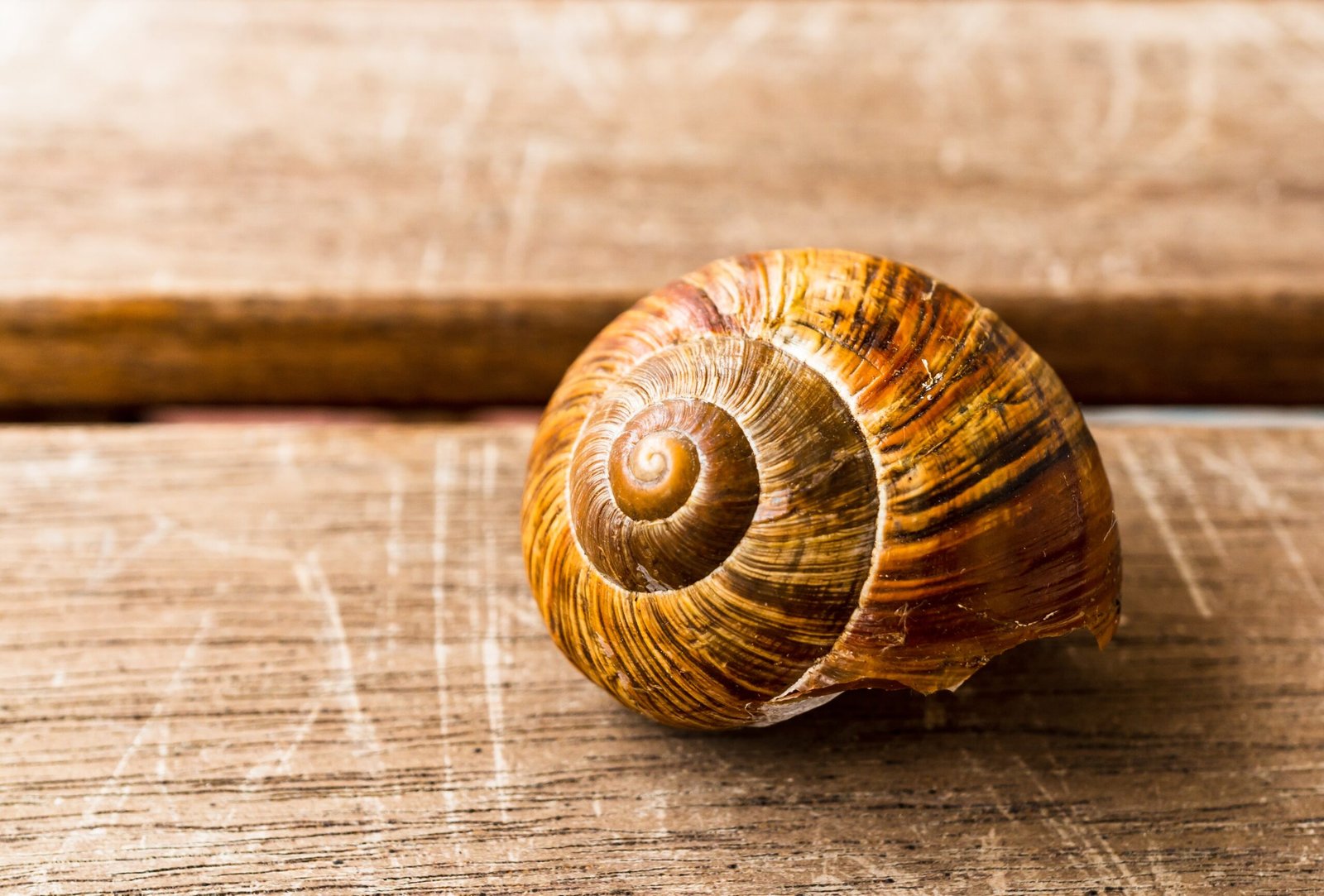
You are looking at your aquarium or terrarium and asking: ” Why are my snail shells cracking? The immediate answer usually points to poor environmental conditions or nutritional deficits.
A cracked shell is a severe health emergency for a snail. The shell protects their vital internal organs and regulates their internal moisture. When cracks, fissures, or peeling occur, your pet is vulnerable to infections, dehydration, and predators.
Why Are My Snail Shells Cracking?
If you need immediate answers, check these common culprits.
Snail shells deteriorate rapidly under specific conditions:
- Calcium Deficiency: The animal lacks the necessary minerals to grow or maintain its shell structure.
- Acidic Environments: Water or soil with a pH below 7.0 will actively dissolve calcium carbonate shells.
- Low Water Hardness: Aquatic environments lacking General Hardness (GH) and Carbonate Hardness (KH) cause shell thinning.
- Physical Trauma: Falls from glass walls or attacks from aggressive tank mates cause mechanical stress and fracturing.
- Poor Diet: Feeding foods high in oxalates prevents the animal from absorbing the calcium they ingest.
Understanding Snail Shell Anatomy
To treat the problem, you must understand how a shell functions. A snail’s shell is not a dead object; it is a complex, growing structure.
The shell consists of three primary layers. Each layer requires different nutrients and conditions to remain strong.
The Periostracum Layer
This is the outermost layer of the shell. It consists of proteins, primarily conchiolin.
The periostracum protects the inner layers from chemical erosion. When this protein layer wears away, the shell loses its colour and exposes the vulnerable calcium beneath.
The Ostracum Layer
This is the thick middle layer. It consists entirely of calcium carbonate crystals.
The ostracum provides the shell’s physical strength and weight. If your pet lacks dietary calcium, this layer becomes thin, brittle, and highly prone to cracking.
The Hypostracum Layer
This is the innermost layer directly touching the animal’s mantle. The mantle is the organ that secretes the shell material.
The snail constantly thickens this layer throughout its life. Damage to this inner layer can expose the internal organs to fatal infections.
Primary Causes of Shell Cracking
Identifying the exact reason for the damage dictates your treatment plan. Inspect your enclosure and review your care routine against these common hazards.
Severe Calcium Deficiency
Calcium is the building block of your pet’s shell. Without a constant supply, the shell stops growing and becomes fragile.
Snails absorb calcium in two ways. They ingest it through their diet, and aquatic species absorb it directly from the water column. If both sources are depleted, the shell will crack under its own weight.
Low pH Levels (Acidic Environments)
Shell erosion happens quickly in acidic conditions. Calcium carbonate dissolves rapidly when exposed to acids.
For aquatic snails, water with a pH below 7.0 acts like a slow solvent. For land snails, acidic soil substrates, such as pure sphagnum peat moss, can burn the shell when they burrow. You can review standard aquatic water parameter guidelines in resources such as the American Veterinary Medical Association.
Low GH and KH Levels (Aquatic Snails)
General Hardness (GH) measures the levels of calcium and magnesium in water. Carbonate Hardness (KH) measures the water’s buffering capacity.
Low KH means your water pH will fluctuate, leading to sudden acidic spikes. Low GH means the water lacks the free-floating minerals your aquatic pet needs for continuous shell repair.
Physical Trauma and Falls
Mechanical damage is a frequent cause of localised shell cracks. Snails often climb to the top of their enclosures and lose their grip.
A fall onto a hard ceramic decoration or a bare glass bottom will shatter a weak shell. Aggressive fish, like cichlids or loaches, will also nip at the shell edges, causing jagged breaks.
Extreme Temperature Swings
Rapid changes in temperature cause physical stress on the shell material. Thermal shock makes calcium carbonate brittle.
Ensure your tank heaters or terrarium heat mats operate on reliable thermostats. Drafty windows or direct sunlight can cause rapid temperature spikes, compromising shell integrity.
How to Repair a Cracked Snail Shell?
If you discover a crack, you can intervene. Minor cracks heal on their own if conditions improve, but severe breaks require a patch.
Always wash your hands thoroughly before handling an injured animal. Move them to a shallow, clean isolation container during the repair process.
The Eggshell Membrane Patch
For clean breaks and fissures, you can create a biological bandage. You will need a clean, unboiled chicken egg.
- Carefully peel the thin, white membrane from the inside of the raw eggshell.
- Gently clean the cracked area on the snail with a damp cotton swab.
- Apply the wet egg membrane flat across the crack.
- As it dries, it shrinks and forms a tight, protective cast over the injury.
- The snail will slowly deposit new calcium underneath this patch.
Using Aquarium-Safe Superglue
For severe, gaping holes, you may need a stronger structural fix. You can use pure cyanoacrylate glue (standard superglue).
- Cut a small piece of clean eggshell or a tiny piece of fish tank filter plastic to act as a bridge.
- Carefully dry the shell around the crack. Do not touch the internal organs.
- Apply tiny dots of cyanoacrylate to the solid edges of the shell.
- Place the patch over the hole and let it cure completely before returning the animal to water or damp soil.
Dietary Fixes for Shell Health
A proper diet prevents future cracking. You must provide consistent access to bioavailable calcium.
Simply dropping a lettuce leaf into the tank is not enough. You must curate a menu that is specific and mineral-rich.
Best High-Calcium Foods
Provide fresh vegetables blanched in hot water to soften tough fibres. Great options include:
- Zucchini.
- Broccoli florets.
- Green beans.
- Turnip greens.
- Kale (feed in moderation).
Foods to Strictly Avoid
Certain vegetables contain high levels of oxalic acid. Oxalates bind to calcium in the digestive tract, making it impossible for the animal to absorb the mineral.
Avoid feeding spinach, parsley, and Swiss chard regularly. These foods will actively contribute to calcium deficiency over time.
Adding Calcium Supplements
Always keep a direct mineral source in the enclosure. Cuttlebone, found in the bird aisle of pet stores, is excellent.
Boil the cuttlebone for 10 minutes so it sinks in the aquarium. Alternatively, you can drop plain, unflavored calcium carbonate antacid tablets (Tums) into the tank for an immediate calcium boost. Commercial calcium blocks designed for shrimp and invertebrates are also highly effective.
Adjusting Environmental Parameters
Diet means nothing if the environment is hostile. You must correct the water or soil chemistry.
Purchase a liquid test kit. Test strips are often inaccurate and miss slight fluctuations that cause shell damage.
Fixing Aquarium Water Chemistry
If your pH is below 7.0, you must raise it safely. Do not use chemical pH buffers, as they cause dangerous swings.
Place crushed coral or aragonite sand into your filter media bag. These natural materials slowly dissolve, steadily raising both the pH and the KH over several weeks. Add a wonder shell to instantly boost the General Hardness (GH) of the water column.
Correcting Terrarium Soil pH
For land snails, the substrate must be neutral or slightly alkaline. Pure coconut coir is a popular, neutral choice.
Mix agricultural limestone powder or oyster shell flour into the soil. This neutralises any organic acids created by decaying food or animal waste in the terrarium. Regularly spot-clean the soil to prevent ammonia buildups.
Proper Handling Techniques
Human error often causes shell fractures. You must handle these animals with extreme care.
Never pull a snail by its shell while it is attached to a surface. You will tear their mantle or snap the edge of their shell.
Gently slide your fingernail or a flat plastic card under their muscular foot to break the suction. Always hold them low to the ground to minimise the risk of a severe fall.
Creating a Safe Habitat
Review the physical layout of your enclosure. Remove hazards that could cause trauma.
Replace hard, jagged rocks with soft driftwood or live plants. Ensure the substrate is deep enough to cushion accidental falls from the glass walls. For aquatic setups, ensure filter intakes are covered with sponge pre-filters to prevent animals from getting stuck and crushed.
Understanding Species-Specific Needs
Different species require different care strategies. A garden snail needs different conditions than a tropical aquatic species.
Mystery snails grow very quickly and demand massive amounts of dietary calcium. Nerite snails prefer harder, brackish water to maintain their thick, durable shells. Research the exact natural habitat of your species using trusted biological databases, such as the World Register of Marine Species.
When Shell Cracks Turn Fatal?
Some damage is beyond repair. If a crack exposes a large portion of the internal organs, the prognosis is poor.
If the animal stops eating, remains fully retracted in its shell for days, or begins to smell foul, the internal tissues are likely infected. At this stage, separating them into a quiet, clean, and shallow hospital tank is the only option, but recovery is rare.
Maintaining Long-Term Shell Vigour
Consistency is the key to preventing shell problems. You cannot fix water parameters once and forget about them.
Perform regular water changes to replenish trace minerals. Replace the cuttlebone every few months once it becomes waterlogged or covered in algae. Inspect your pets weekly for early signs of pitting or white spots on the shell apex.
Conclusion
Understanding why my snail shells are cracking allows you to intervene before it becomes a fatal issue. Shell deterioration is almost always a symptom of poor environmental management or inadequate nutrition.
By immediately testing your water or soil pH, adding reliable calcium sources like cuttlebone, and removing physical hazards, you can stop the damage. Remember to monitor their diet closely, avoiding oxalates while prioritising mineral-rich vegetables.