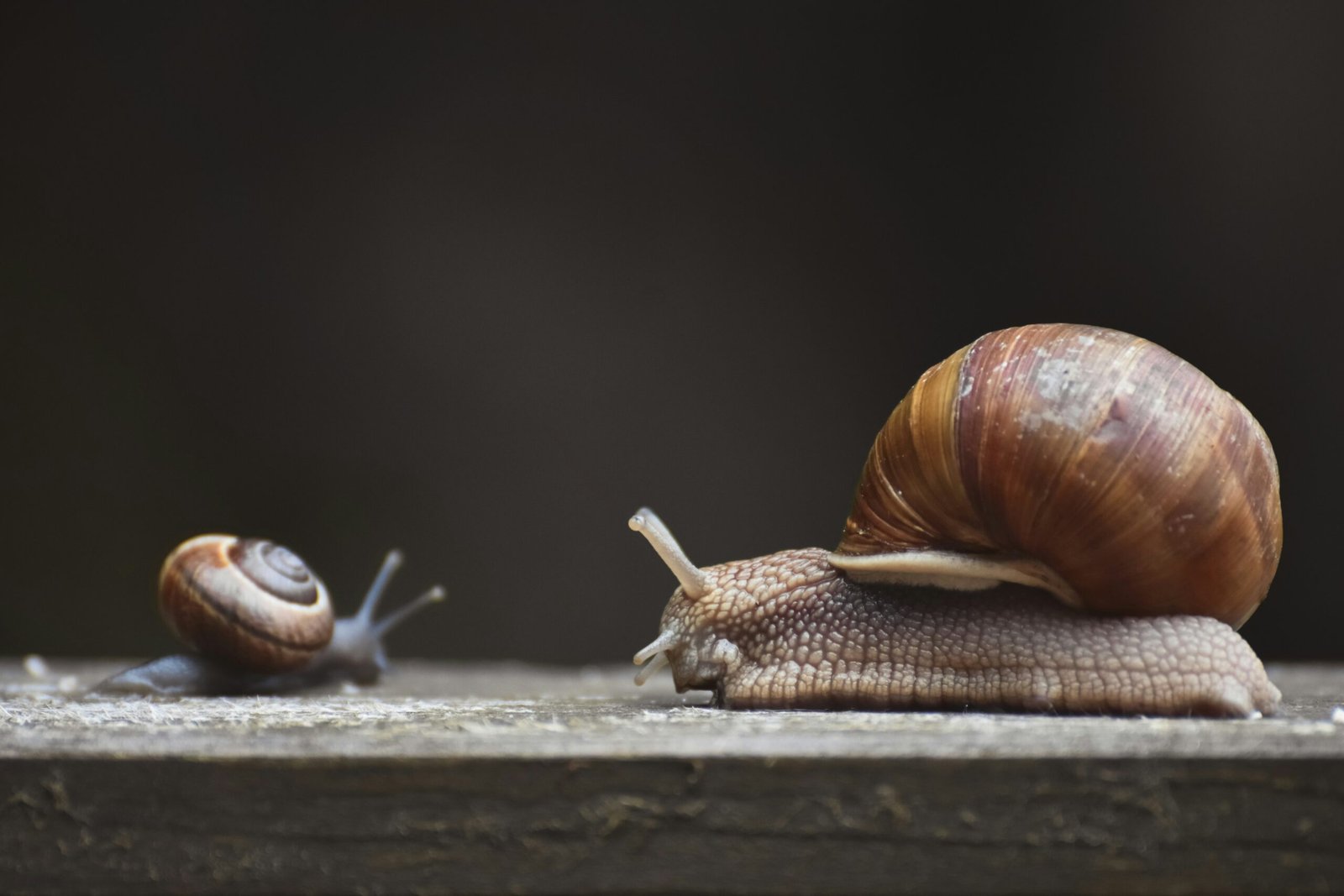
Finding a snail on your living room carpet or stuck to the outside of a glass tank is a confusing experience for any pet owner. You might wonder how a creature known for its slow pace managed to pull off a midnight prison break.
The question “Why do my snails keep escaping at night?” is common among both aquarium hobbyists and land snail keepers. Most of the time, this behavior is a direct response to their environment or biological clocks.
Why Are Your Snails Leaving the Tank?
Snails typically escape because they are searching for better living conditions or following their instincts. They are nocturnal animals, so they are most active when the lights go out.
Common triggers include poor water quality, lack of food, incorrect humidity levels, or overcrowding. If the environment inside the tank feels “wrong” or dangerous, their survival instinct tells them to move until they find something better.
Because they move slowly, they don’t realize that leaving the enclosure often leads to fatal dehydration. Identifying the specific stressor in your setup is vital to stopping the cycle.
Environmental Triggers: Is the Water the Problem?
For aquatic snails, the most frequent reason for a midnight exit is poor water chemistry. If the water becomes toxic, the snail treats the tank like a drying puddle in the wild and tries to crawl to a new one.
Ammonia and Nitrite Spikes
High levels of ammonia or nitrites irritate a snail’s sensitive soft tissues. Even small amounts can feel like “burning” to the snail, forcing them to climb upward to escape the water.
Testing your water parameters with a reliable kit is the only way to confirm this. If you find elevated levels, perform a partial water change immediately to dilute the toxins.
Oxygen Depletion
Snails need oxygen just like fish do. If the water is stagnant or too warm, oxygen levels drop significantly at night when plants stop producing it and start consuming it.
Many snails will climb to the surface to gulp air. If they don’t find enough relief at the waterline, they may keep going until they cross the rim.
Improper pH Levels
Snails generally prefer alkaline water with plenty of minerals for shell growth. If the water becomes too acidic (low pH), it can start to erode their shells.
They often seek higher ground to escape the acidic environment. Aim for a pH between 7.0 and 8.0 for the most common aquarium species, such as Mystery or Nerite snails.
Habitat Conditions for Land Snails
If you keep land snails, their escape attempts are usually linked to the atmosphere of their terrarium. These creatures are highly sensitive to “microclimates.”
Humidity Issues
Snails require a damp environment to produce the mucus they need for movement. If the enclosure becomes too dry, they will travel long distances to find a moisture source.
Conversely, if the soil is waterlogged and lacks drainage, they may climb the walls to avoid “drowning” in stagnant mud. Maintaining a consistent misting schedule is essential for their comfort.
Temperature Fluctuations
Snails are ectothermic, meaning they rely on their environment to regulate their body temperature. If a tank is placed near a drafty window or a heater, the temperature may swing wildly at night.
A sudden drop or rise in temperature can trigger a flight response. Use a digital thermometer to track the highs and lows inside the enclosure throughout a 24-hour cycle.
Behavioral and Biological Drivers
Sometimes, an escape has nothing to do with “bad” conditions and everything to do with the snail’s natural programming.
The Search for Sustenance
Hunger is a powerful motivator. If your snails have cleared the tank of algae or finished their supplemental pellets, they will go looking for more.
In the wild, snails cover surprising distances to find fresh vegetation. Ensure you are providing enough calcium-rich foods and blanched vegetables, such as zucchini or kale, to keep them satisfied.
Breeding Instincts
Many species, particularly the popular Mystery Snail, leave the water intentionally to lay their eggs. They look for dry, elevated spots above the waterline to deposit their clutches.
If there isn’t enough space between the water and the lid, they will keep climbing. Providing a 2-3 inch gap of air can often prevent them from going over the edge.
Natural Curiosity and Exploration
Snails aren’t “intelligent” in the human sense, but they are programmed to explore. Their nervous systems react to new scents and textures in the air.
At night, when it is dark and quiet, they feel safer moving into open spaces. Without a physical barrier, their natural roaming behavior leads them straight out of the enclosure.
How to Secure Your Enclosure?
Once you have addressed environmental factors, you must assess the physical security of your tank. A determined snail can squeeze through surprisingly small gaps.
Use a Weighted or Locking Lid
Snails are surprisingly strong for their size. A large Apple Snail or a group of Nerites can easily nudge a lightweight plastic hood open just enough to slip through.
Use a lid that clips into place or place a small weight on top of the screen. Ensure there are no gaps around the corners where the lid meets the glass.
Block Filter and Heater Cutouts
Most aquarium lids have pre-cut holes for filters, wires, and heaters. These are the primary escape routes for snails.
You can block these gaps using:
- Coarse sponge: Stuff it into the gaps around the filter intake.
- Plastic mesh: Tape it over the holes (ensure the tape is on the outside of the lid).
- Craft foam: Cut pieces to fit snugly around wires.
The “Dry Rim” Technique
Some keepers swear by keeping the top inch of the glass exceptionally dry. Most snails prefer to travel on moist surfaces.
While this isn’t a foolproof method, combining it with a secure lid adds an extra layer of deterrence. Wipe down the inner rim of the tank during your weekly maintenance.
Troubleshooting Specific Species
Different snails have different reasons for wandering. Identifying your specific pet can help you narrow down the cause of the escapes.
Snail Species: Likely Reason for Escaping, Best Solution
| Snail Species | Likely Reason for Escaping | Best Solution |
|---|---|---|
| Nerite Snails | High Nitrates or searching for algae. | Frequent water changes; check algae levels. |
| Mystery Snails | Seeking a place to lay eggs. | Lower the water level to provide air space. |
| Apple Snails | Hunger or overcrowding. | Increase feeding; check tank size. |
| Garden Snails | Low humidity or fresh food scent. | Increase misting; provide fresh greens. |
Nerite Snails: The Tidal Travelers
Nerite snails often live in brackish environments where the tide goes in and out. This makes them naturally inclined to spend time above the waterline.
Mystery Snails: The Egg Layers
As mentioned, these snails are the most likely to escape for reproductive reasons. If you see a Mystery snail heading for the top, check if it’s a female looking for a spot to leave a pink egg clutch.
The Danger of the “Great Escape”
Why is it so important to stop them? While it might seem like a funny story, a snail outside its tank is in immediate danger.
Dehydration
A snail’s body is mostly water. Without the humidity of their tank or the submersion of their aquarium, their “foot” dries out quickly.
Once the mucus dries, they cannot move back toward the tank. Most snails found on the floor have shut down into their shells to preserve moisture, but they can only survive this for a short time.
Physical Trauma
Falling from a height can crack or shatter a snail’s shell. A broken shell is often a death sentence because it exposes the internal organs to air and bacteria.
Household Hazards
Dust, carpet fibers, and household cleaners are toxic to snails. If they crawl over a recently mopped floor treated with chemicals, they can absorb those toxins through their skin.
Step-by-Step Checklist to Stop Escapes
If you woke up today to find a snail on the floor, follow this checklist to prevent it from happening again tonight:
- Test the Water: Check for Ammonia, Nitrite, and pH levels.
- Inspect the Lid: Look for gaps larger than the snail’s body.
- Monitor the Temperature: Ensure it doesn’t fluctuate by more than 2-3 degrees at night.
- Check Food Levels: Add a slice of blanched cucumber or a calcium block.
- Adjust Water Levels: If you have Mystery snails, leave at least two inches of dry glass at the top.
- Verify Humidity: For land snails, ensure the substrate is damp but not soaking wet.
Conclusion
The mystery of “Why do my snails keep escaping at night?” is usually solved by looking at the environment. Whether they are running from poor water or running toward the scent of food, their behavior is a form of communication.
By maintaining a clean, stable, and well-fed environment, you remove the “push” factors that drive them away. Combine this with a physically secure lid to prevent their natural curiosity from becoming a fatal mistake.
A happy snail is a safe snail. Take the time to audit your tank setup tonight, and you can sleep soundly knowing your slow-moving friends are right where they belong. For more technical details on gastropod care, consult the USDA’s resources on snail biology and containment.
FAQs
Can a snail survive a fall from a tank?
It depends on the height and the surface. A fall onto carpet is safer than onto tile. If the shell is intact, put the snail back in the water immediately; if it survives the first 24 hours, it will likely recover.
Do snails get bored?
Snails don’t experience boredom like mammals, but they do require stimulation in the form of varied textures and foraging opportunities. A “boring” tank with no food will encourage them to seek better options.
Is it normal for snails to sleep at the top of the tank?
Yes. Many snails prefer the higher oxygen levels near the surface for resting. This is only a problem if they continue upward and exit the enclosure.
How do I fix a cracked snail shell?
Minor cracks can sometimes be patched with aquarium-safe epoxy or a piece of eggshell glued with non-toxic glue, but this is a delicate process. Prevention is always the better route.